
Before Memmo my notes were scattered across PDFs. Now a workspace pulls everything into one place — I see exactly what's still left to study.
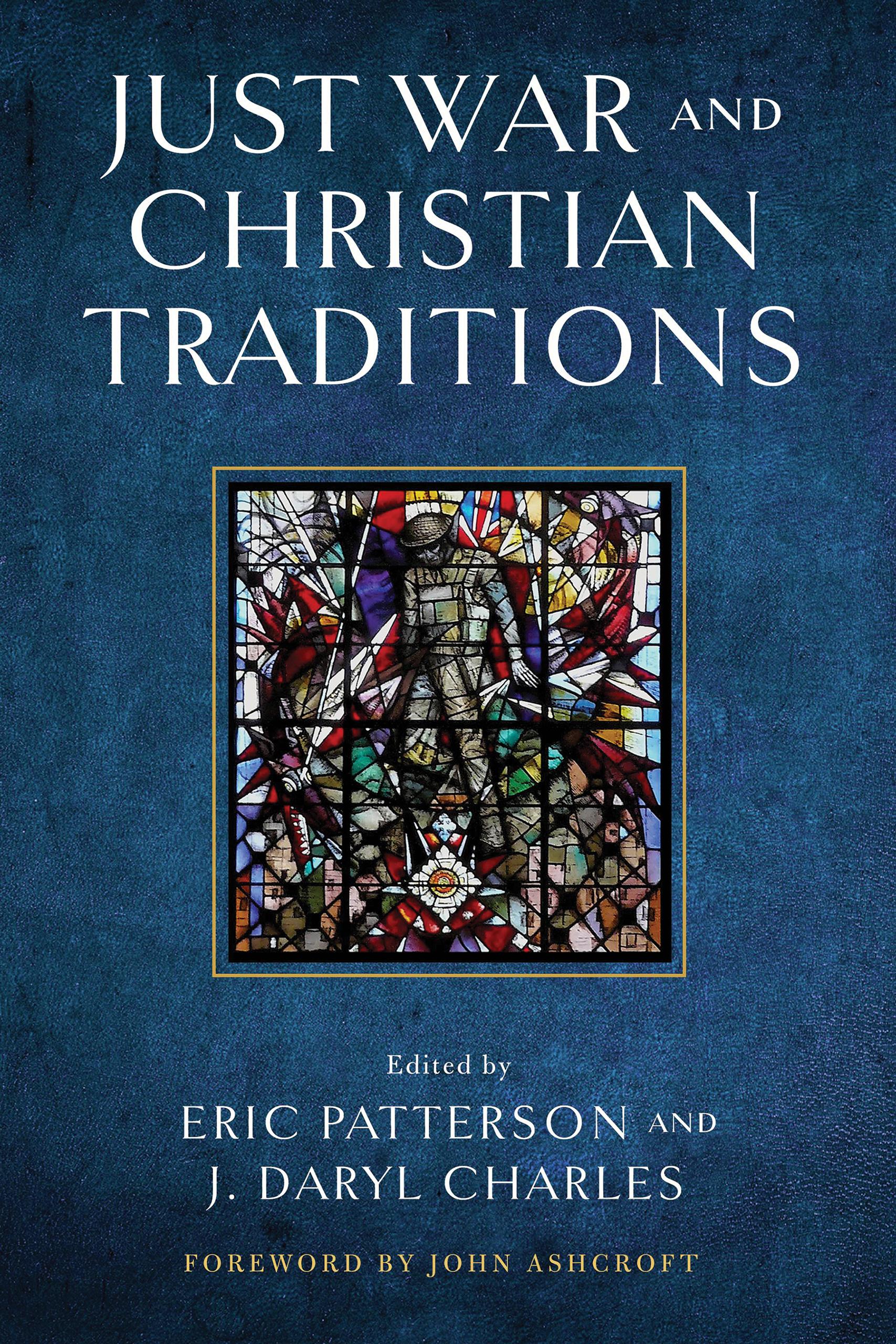
This much-needed anthology contains historically informed insights and analysis about Christian just war thinking and its application to contemporary conflicts.
Recent Christian reflection on war has largely ignored questions of whether and how war can be just. The contributors to Just War and Christian Traditions provide a clear overview of the history and parameters of just war thinking and a much-needed and original evaluation of how Christian traditions and denominations may employ this thinking today.
The introduction examines the historical development of Christian just war thinking, differences between just war thinking and the alternatives of pacifism and holy war, distinctions among Christian thinkers on issues such as the role of the state and “lesser evil” politics, and shared Christian theological commitments with public policy ramifications (for example, the priority of peace). The chapters that follow outline—from Catholic, Orthodox, Lutheran, Reformed, Anglican, Methodist, Baptist, and Anabaptist denominational perspectives—the positions of major church traditions on the ethics of warfare. The contributors include philosophers, military strategists, political scientists, and historians who seek to engage various and distinctive denominational approaches to the issues of church and state, war, peace, diplomacy, statecraft, and security over two thousand years of Christian history. Just War and Christian Traditions presents an essential resource for understanding the Judeo-Christian roots and denominational frameworks undergirding the moral structure for statesmanship and policy referred to as just war thinking. This practical guide will interest students, pastors, and lay people interested in issues of peace and security, military history, and military ethics.
Contributors: John Ashcroft, Eric Patterson, J. Daryl Charles, Joseph E. Capizzi, Darrell Cole, H. David Baer, Keith J. Pavlischek, Daniel Strand, Nigel Biggar, Mark Tooley, and Timothy J. Demy.
Before Memmo my notes were scattered across PDFs. Now a workspace pulls everything into one place — I see exactly what's still left to study.
Memmo's summaries are gold before exams. I don't have to re-read 800 pages two weeks before — just the important parts.
The AI chat has saved me the night before an exam more than once. I just keep asking until I get it — no waiting on a study group to reply.
The quizzes hit exactly what I need to know. Memmo tracks what I get stuck on — so I only practice what's worth it.
Flashcards with spaced repetition are magic. Memmo knows when I'm about to forget something and brings it back.
The AI podcasts are my favorite. I listen on my way to school and get a recap without sitting at a computer.

Handbok i kvalitativa metoder
281 kr

Hållbar utveckling: en introduktion för ingenjörer och andra problemlösare
334 kr

Brymans Samhällsvetenskapliga metoder
390 kr

Projektledning
491 kr

Den orättvisa hälsan: om socioekonomiska skillnader i hälsa och livslängd
326 kr

Vetenskapsteori för nybörjare
196 kr

Organizational Leadership
429 kr

På väg mot läraryrket
172 kr

Det sociala livet i skolan: Socialpsykologiska perspektiv
253 kr

Betygsättningens didaktik
151 kr

Personality
402 kr

Studying Leadership
404 kr

Managing Innovation
477 kr

Introduktion till samhällsvetenskaplig metod
347 kr

The Psychology of Sex and Gender
698 kr

Evidens och kunskap för socialt arbete
207 kr

Introduction to Leadership
605 kr