
Before Memmo my notes were scattered across PDFs. Now a workspace pulls everything into one place — I see exactly what's still left to study.
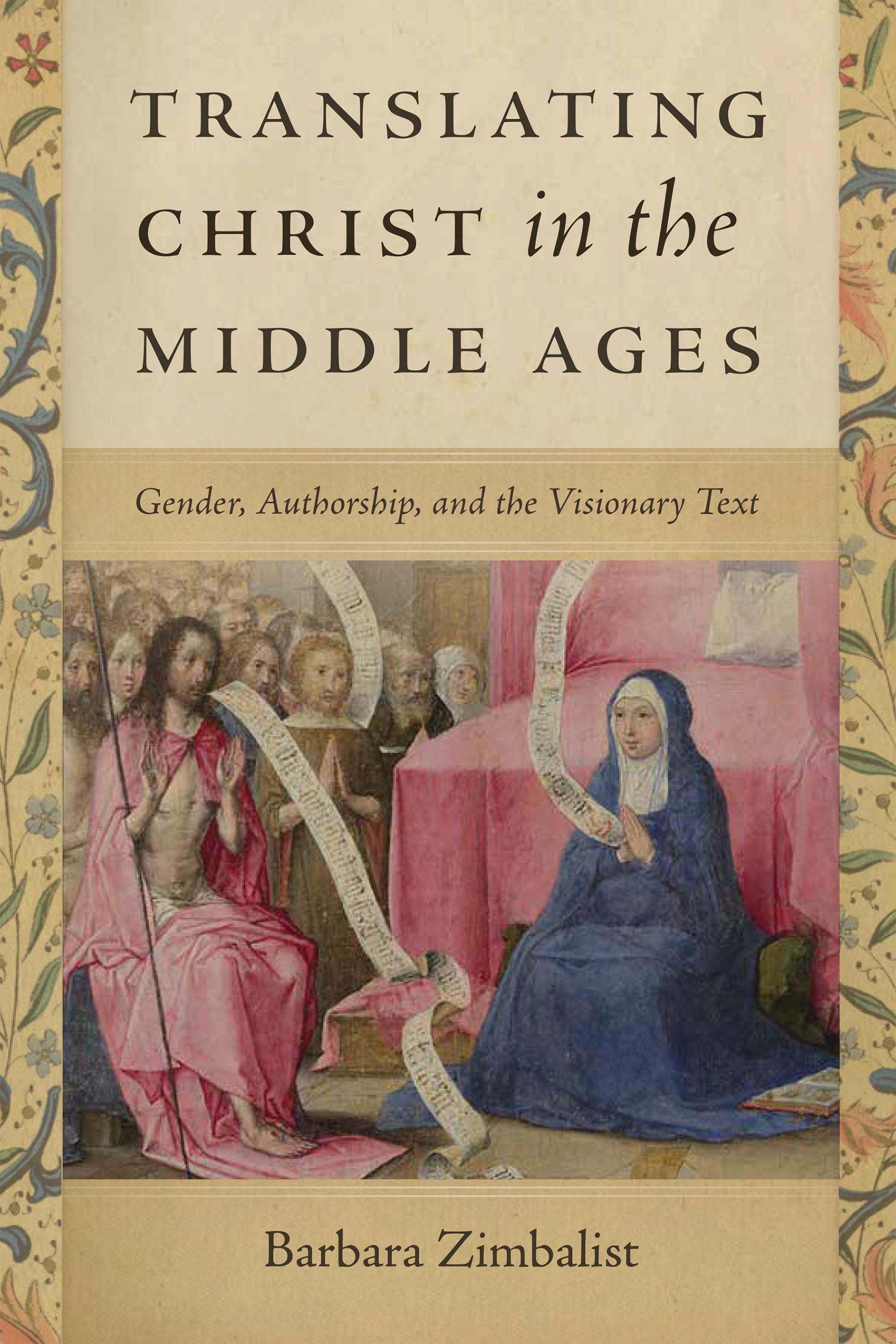
This study reveals how women’s visionary texts played a central role within medieval discourses of authorship, reading, and devotion.
From the twelfth to the fifteenth centuries, women across northern Europe began committing their visionary conversations with Christ to the written word. Translating Christ in this way required multiple transformations: divine speech into human language, aural event into textual artifact, visionary experience into linguistic record, and individual encounter into communal repetition. This ambitious study shows how women’s visionary texts form an underexamined literary tradition within medieval religious culture. Barbara Zimbalist demonstrates how, within this tradition, female visionaries developed new forms of authorship, reading, and devotion. Through these transformations, the female visionary authorized herself and her text, and performed a rhetorical imitatio Christi that offered models of interpretive practice and spoken devotion to her readers.
This literary-historical tradition has not yet been fully recognized on its own terms. By exploring its development in hagiography, visionary texts, and devotional literature, Zimbalist shows how this literary mode came to be not only possible but widespread and influential. She argues that women’s visionary translation reconfigured traditional hierarchies and positions of spiritual power for female authors and readers in ways that reverberated throughout late-medieval literary and religious cultures. In translating their visionary conversations with Christ into vernacular text, medieval women turned themselves into authors and devotional guides, and formed their readers into textual communities shaped by gendered visionary experiences and spoken imitatio Christi.
Comparing texts in Latin, Dutch, French, and English, Translating Christ in the Middle Ages explores how women’s visionary translation of Christ’s speech initiated larger transformations of gendered authorship and religious authority within medieval culture. The book will interest scholars in different linguistic and religious traditions in medieval studies, history, religious studies, and women’s and gender studies.
Before Memmo my notes were scattered across PDFs. Now a workspace pulls everything into one place — I see exactly what's still left to study.
Memmo's summaries are gold before exams. I don't have to re-read 800 pages two weeks before — just the important parts.
The AI chat has saved me the night before an exam more than once. I just keep asking until I get it — no waiting on a study group to reply.
The quizzes hit exactly what I need to know. Memmo tracks what I get stuck on — so I only practice what's worth it.
Flashcards with spaced repetition are magic. Memmo knows when I'm about to forget something and brings it back.
The AI podcasts are my favorite. I listen on my way to school and get a recap without sitting at a computer.

Handbok i kvalitativa metoder
281 kr

Hållbar utveckling: en introduktion för ingenjörer och andra problemlösare
334 kr

Brymans Samhällsvetenskapliga metoder
390 kr

Projektledning
491 kr

Den orättvisa hälsan: om socioekonomiska skillnader i hälsa och livslängd
326 kr

Organizational Leadership
429 kr

Vetenskapsteori för nybörjare
196 kr

På väg mot läraryrket
172 kr

Det sociala livet i skolan: Socialpsykologiska perspektiv
253 kr

Betygsättningens didaktik
151 kr

Personality
402 kr

Studying Leadership
404 kr

Managing Innovation
477 kr

Introduktion till samhällsvetenskaplig metod
347 kr

The Psychology of Sex and Gender
698 kr

Evidens och kunskap för socialt arbete
207 kr

Introduction to Leadership
605 kr