
Before Memmo my notes were scattered across PDFs. Now a workspace pulls everything into one place — I see exactly what's still left to study.
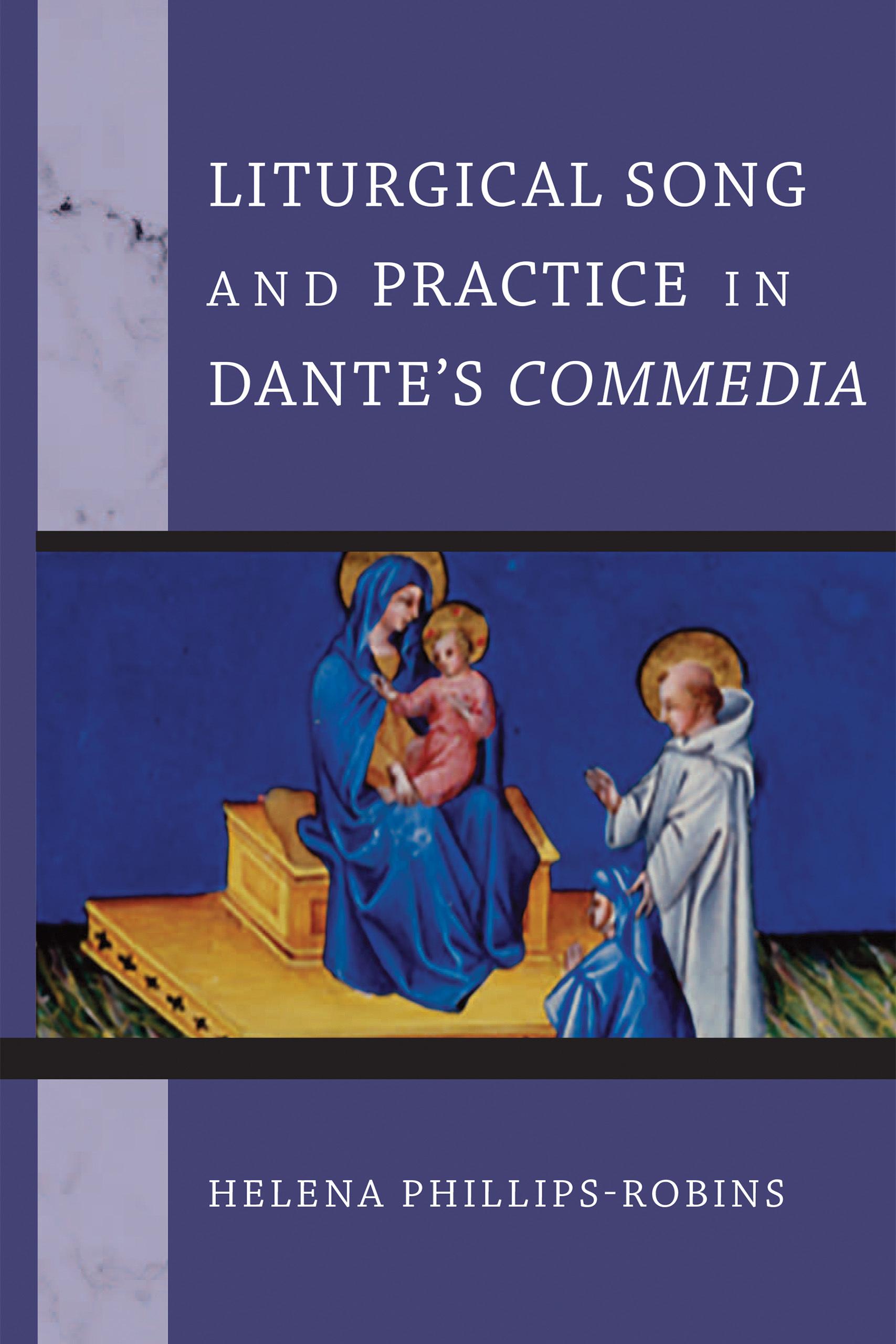
This study explores ways in which Dante presents liturgy as enabling humans to encounter God.
In Liturgical Song and Practice in Dante’s “Commedia,” Helena Phillips-Robins explores for the first time the ways in which the relationship between humanity and divinity is shaped through the performance of liturgy in the Commedia. The study draws on largely untapped thirteenth-century sources to reconstruct how the songs and prayers performed in the Commedia were experienced and used in late medieval Tuscany. Phillips-Robins shows how in the Commedia Dante refashions religious practices that shaped daily life in the Middle Ages and how Dante presents such practices as transforming and sustaining relationships between humans and the divine. The study focuses on the types of engagement that Dante’s depictions of liturgical performance invite from the reader. Based on historically attentive analysis of liturgical practice and on analysis of the experiential and communal nature of liturgy, Phillips-Robins argues that Dante invites readers themselves to perform the poem’s liturgical songs and, by doing so, to enter into relationship with the divine. Dante calls not only for readers’ interpretative response to the Commedia but also for their performative and spiritual activity.
Focusing on Purgatorio and Paradiso, Phillips-Robins investigates the particular ways in which relationships both between humans and between humans and God can unfold through liturgy. Her book includes explorations of liturgy as a means of enacting communal relationships that stretch across time and space; the Christological implications of participating in liturgy; the interplay of the personal and the shared enabled by the language of liturgy; and liturgy as a living out of the theological virtues of faith, hope, and love. The book will interest students and scholars of Dante studies, medieval Italian literature, and medieval theology.
Before Memmo my notes were scattered across PDFs. Now a workspace pulls everything into one place — I see exactly what's still left to study.
Memmo's summaries are gold before exams. I don't have to re-read 800 pages two weeks before — just the important parts.
The AI chat has saved me the night before an exam more than once. I just keep asking until I get it — no waiting on a study group to reply.
The quizzes hit exactly what I need to know. Memmo tracks what I get stuck on — so I only practice what's worth it.
Flashcards with spaced repetition are magic. Memmo knows when I'm about to forget something and brings it back.
The AI podcasts are my favorite. I listen on my way to school and get a recap without sitting at a computer.

Handbok i kvalitativa metoder
281 kr

Hållbar utveckling: en introduktion för ingenjörer och andra problemlösare
334 kr

Brymans Samhällsvetenskapliga metoder
390 kr

Projektledning
491 kr

Den orättvisa hälsan: om socioekonomiska skillnader i hälsa och livslängd
326 kr

Organizational Leadership
429 kr

Vetenskapsteori för nybörjare
196 kr

På väg mot läraryrket
172 kr

Det sociala livet i skolan: Socialpsykologiska perspektiv
253 kr

Betygsättningens didaktik
151 kr

Personality
402 kr

Studying Leadership
404 kr

Managing Innovation
477 kr

Introduktion till samhällsvetenskaplig metod
347 kr

The Psychology of Sex and Gender
698 kr

Evidens och kunskap för socialt arbete
207 kr

Introduction to Leadership
605 kr