
Before Memmo my notes were scattered across PDFs. Now a workspace pulls everything into one place — I see exactly what's still left to study.
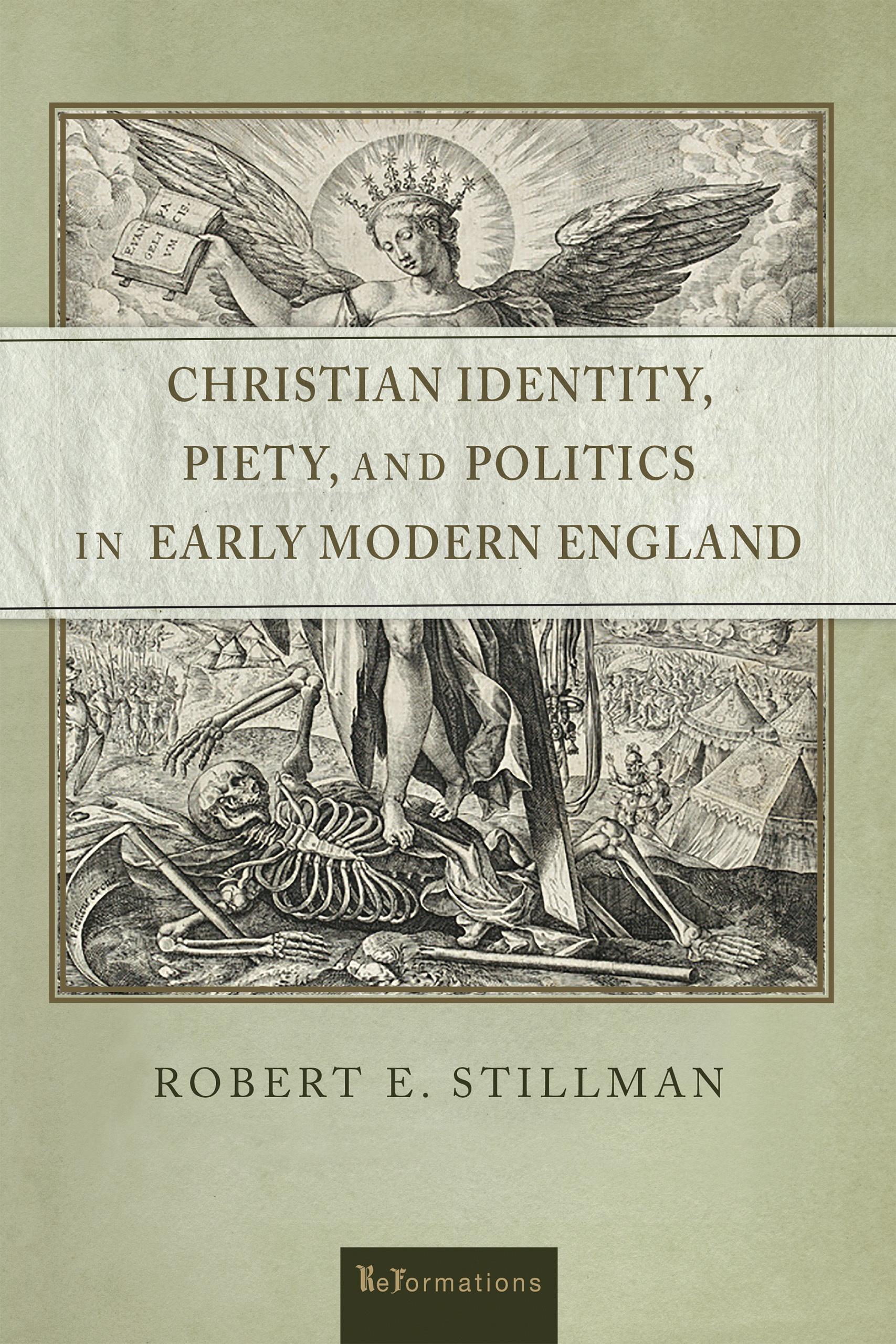
This book challenges the adequacy of identifying religious identity with confessional identity.
The Reformation complicated the issue of religious identity, especially among Christians for whom confessional violence at home and religious wars on the continent had made the darkness of confessionalization visible. Robert E. Stillman explores the identity of “Christians without names,” as well as their agency as cultural actors in order to recover their consequence for early modern religious, political, and poetic history.
Stillman argues that questions of religious identity have dominated historical and literary studies of the early modern period for over a decade. But his aim is not to resolve the controversies about early modern religious identity by negotiating new definitions of English Protestants, Catholics, or “moderate” and “radical” Puritans. Instead, he provides an understanding of the culture that produced such a heterogeneous range of believers by attending to particular figures, such as Antonio del Corro, John Harington, Henry Constable, and Aemilia Lanyer, who defined their pious identity by refusing to assume a partisan label for themselves. All of the figures in this study attempted as Christians to situate themselves beyond, between, or against particular confessions for reasons that both foreground pious motivations and inspire critical scrutiny. The desire to move beyond confessions enabled the birth of new political rhetorics promising inclusivity for the full range of England’s Christians and gained special prominence in the pursuit of a still-imaginary Great Britain. Christian Identity, Piety, and Politics in Early Modern England is a book that early modern literary scholars need to read. It will also interest students and scholars of history and religion.
Before Memmo my notes were scattered across PDFs. Now a workspace pulls everything into one place — I see exactly what's still left to study.
Memmo's summaries are gold before exams. I don't have to re-read 800 pages two weeks before — just the important parts.
The AI chat has saved me the night before an exam more than once. I just keep asking until I get it — no waiting on a study group to reply.
The quizzes hit exactly what I need to know. Memmo tracks what I get stuck on — so I only practice what's worth it.
Flashcards with spaced repetition are magic. Memmo knows when I'm about to forget something and brings it back.
The AI podcasts are my favorite. I listen on my way to school and get a recap without sitting at a computer.

Handbok i kvalitativa metoder
281 kr

Hållbar utveckling: en introduktion för ingenjörer och andra problemlösare
334 kr

Brymans Samhällsvetenskapliga metoder
390 kr

Projektledning
491 kr

Den orättvisa hälsan: om socioekonomiska skillnader i hälsa och livslängd
326 kr

Vetenskapsteori för nybörjare
196 kr

Organizational Leadership
429 kr

På väg mot läraryrket
172 kr

Det sociala livet i skolan: Socialpsykologiska perspektiv
253 kr

Betygsättningens didaktik
151 kr

Personality
402 kr

Studying Leadership
404 kr

Managing Innovation
477 kr

Introduktion till samhällsvetenskaplig metod
347 kr

The Psychology of Sex and Gender
698 kr

Evidens och kunskap för socialt arbete
207 kr

Introduction to Leadership
605 kr