
Before Memmo my notes were scattered across PDFs. Now a workspace pulls everything into one place — I see exactly what's still left to study.
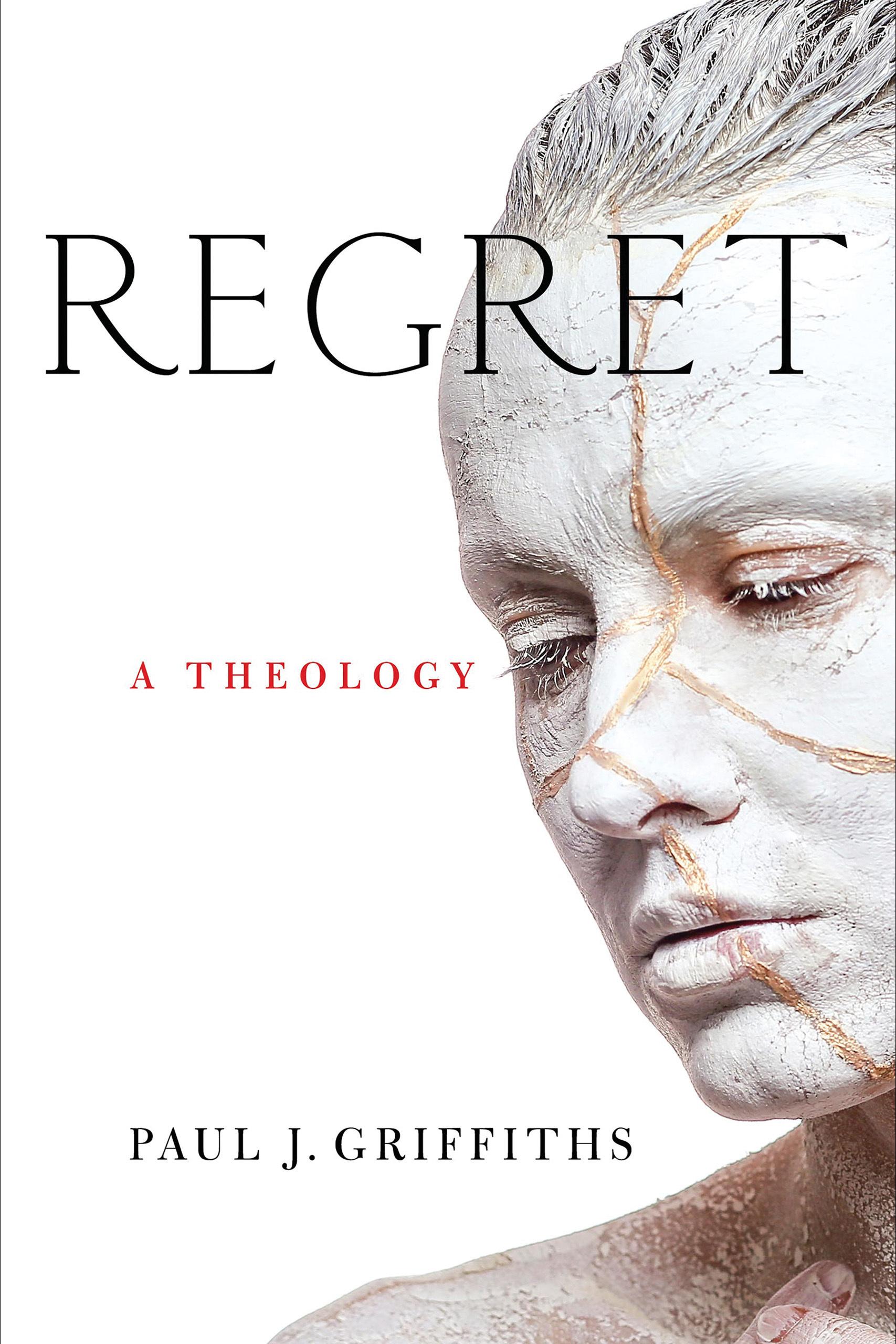
In this brilliant theological essay, Paul J. Griffiths takes the reader through all the stages of regret.
To various degrees, all human beings experience regret. In this concise theological grammar, Paul J. Griffiths analyzes this attitude toward the past and distinguishes its various kinds. He examines attitudes encapsulated in the phrase, “I would it were otherwise,” including regret, contrition, remorse, compunction, lament, and repentance. By using literature (especially poetry) and Christian theology, Griffiths shows both what is good about regret and what can be destructive about it. Griffiths argues that on the one hand regret can take the form of remorse—an agony produced by obsessive and ceaseless examination of the errors, sins, and omissions of the past. This kind of regret accomplishes nothing and produces only pain. On the other hand, when regret is coupled with contrition and genuine sorrow for past errors, it has the capacity both to transfigure the past—which is never merely past—and to open the future. Moreover, in thinking about the phenomenon of regret in the context of Christian theology, Griffiths focuses especially on the notion of the LORD’s regret. Is it even reasonable to claim that the LORD regrets? Griffiths shows not only that it is but also that the LORD’s regret should structure how we regret as human beings.
Griffiths investigates the work of Henry James, Emily Dickinson, Tomas Tranströmer, Paul Celan, Jane Austen, George Herbert, and Robert Frost to show how regret is not a negative feature of human life but rather is essential for human flourishing and ultimately is to be patterned on the LORD’s regret. Regret: A Theology will be of interest to scholars and students of philosophy, theology, and literature, as well as to literate readers who want to understand the phenomenon of regret more deeply.
Before Memmo my notes were scattered across PDFs. Now a workspace pulls everything into one place — I see exactly what's still left to study.
Memmo's summaries are gold before exams. I don't have to re-read 800 pages two weeks before — just the important parts.
The AI chat has saved me the night before an exam more than once. I just keep asking until I get it — no waiting on a study group to reply.
The quizzes hit exactly what I need to know. Memmo tracks what I get stuck on — so I only practice what's worth it.
Flashcards with spaced repetition are magic. Memmo knows when I'm about to forget something and brings it back.
The AI podcasts are my favorite. I listen on my way to school and get a recap without sitting at a computer.

Handbok i kvalitativa metoder
281 kr

Hållbar utveckling: en introduktion för ingenjörer och andra problemlösare
334 kr

Brymans Samhällsvetenskapliga metoder
390 kr

Projektledning
491 kr

Den orättvisa hälsan: om socioekonomiska skillnader i hälsa och livslängd
326 kr

Organizational Leadership
429 kr

Vetenskapsteori för nybörjare
196 kr

På väg mot läraryrket
172 kr

Det sociala livet i skolan: Socialpsykologiska perspektiv
253 kr

Betygsättningens didaktik
151 kr

Personality
402 kr

Studying Leadership
404 kr

Managing Innovation
477 kr

Introduktion till samhällsvetenskaplig metod
347 kr

The Psychology of Sex and Gender
698 kr

Evidens och kunskap för socialt arbete
207 kr

Introduction to Leadership
605 kr