
Before Memmo my notes were scattered across PDFs. Now a workspace pulls everything into one place — I see exactly what's still left to study.
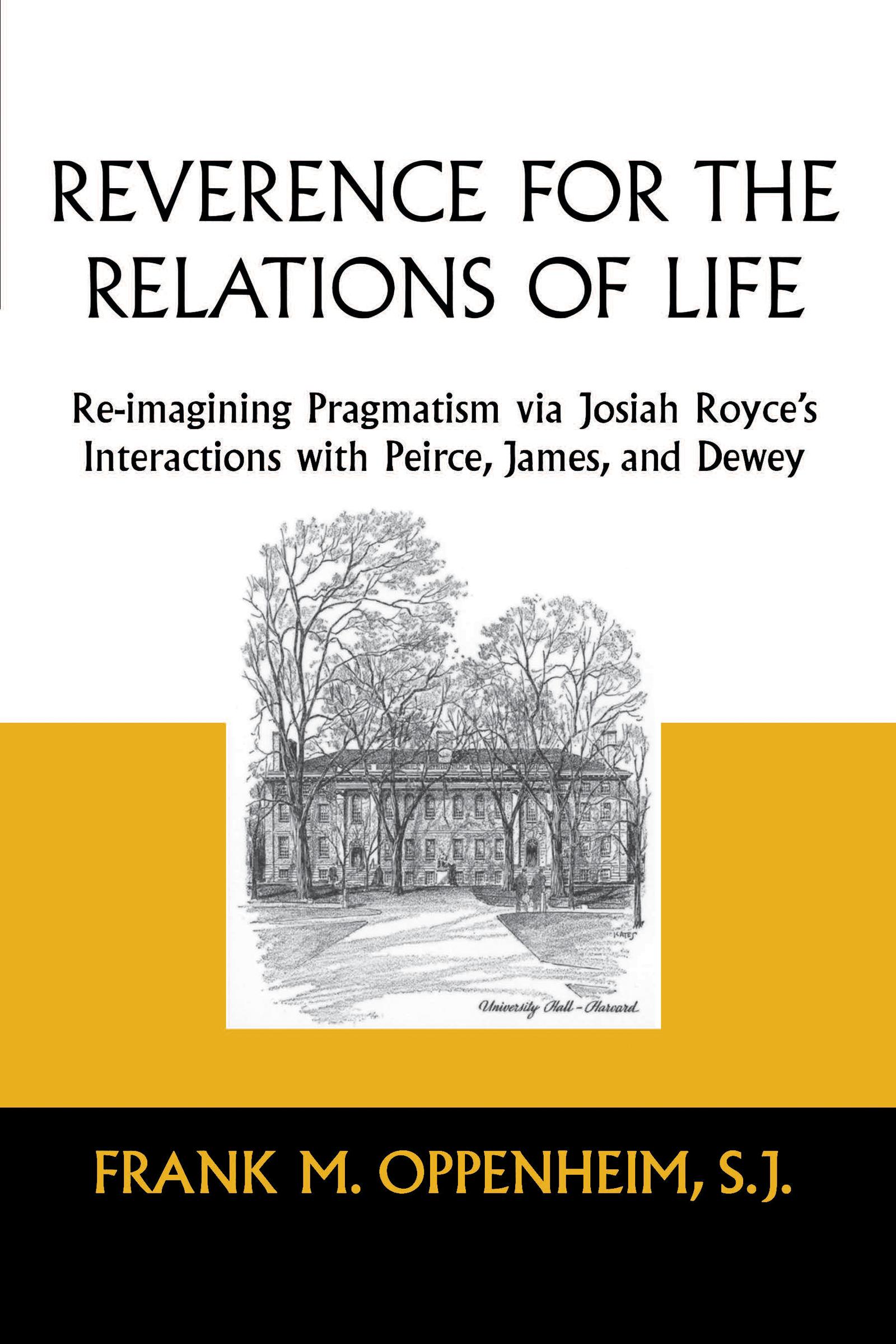
Josiah Royce and William James lived in Cambridge, Massachusetts, on Irving Street, just two doors apart, and Charles Peirce grew up only blocks away. John Dewey was born and educated in nearby Vermont. These four great thinkers shared more than geographic space; they engaged in a series of formative philosophical discussions. By tracing the interactions of Royce (1855–1916) with James, Peirce, and Dewey, Oppenheim "re-imagines pragmatism" in a way that highlights the late Royce's role as mediator and favors the "seed-plant" image of O. W. Holmes, Jr., over the corridor image of Papini.
Josiah Royce emphasized that communities of all sizes—ranging from families to towns—needed "reverence for the relations of life" not only to thrive but to survive. This theme permeates the dialectic of Royce’s interactions with Peirce, James, and Dewey. Oppenheim analyzes the agreement and disagreement of these thinkers on the method and content of philosophy, skepticism and intelligibility, and nominalism and intentionality, as he uncovers their varied stances toward transcendent Reality.
Oppenheim repudiates Ralph Barton Perry’s tactic of using Royce as a foil to display James positively, by offering a richer portrait of Royce. Oppenheim calls attention to Royce’s "doctrine of two levels" and its effects on the distinction of human and super-human, by showing the contrast of Royce’s "third attitude of will" against two primarily self-centered attitudes of will, and by examining the roles of Spirit, Community, and semiotic process in Royce’s late thought.
Before Memmo my notes were scattered across PDFs. Now a workspace pulls everything into one place — I see exactly what's still left to study.
Memmo's summaries are gold before exams. I don't have to re-read 800 pages two weeks before — just the important parts.
The AI chat has saved me the night before an exam more than once. I just keep asking until I get it — no waiting on a study group to reply.
The quizzes hit exactly what I need to know. Memmo tracks what I get stuck on — so I only practice what's worth it.
Flashcards with spaced repetition are magic. Memmo knows when I'm about to forget something and brings it back.
The AI podcasts are my favorite. I listen on my way to school and get a recap without sitting at a computer.

Handbok i kvalitativa metoder
281 kr

Hållbar utveckling: en introduktion för ingenjörer och andra problemlösare
334 kr

Brymans Samhällsvetenskapliga metoder
390 kr

Projektledning
491 kr

Den orättvisa hälsan: om socioekonomiska skillnader i hälsa och livslängd
326 kr

Vetenskapsteori för nybörjare
196 kr

Organizational Leadership
429 kr

På väg mot läraryrket
172 kr

Det sociala livet i skolan: Socialpsykologiska perspektiv
253 kr

Betygsättningens didaktik
151 kr

Personality
402 kr

Studying Leadership
404 kr

Managing Innovation
477 kr

Introduktion till samhällsvetenskaplig metod
347 kr

The Psychology of Sex and Gender
698 kr

Evidens och kunskap för socialt arbete
207 kr

Introduction to Leadership
605 kr