
Before Memmo my notes were scattered across PDFs. Now a workspace pulls everything into one place — I see exactly what's still left to study.
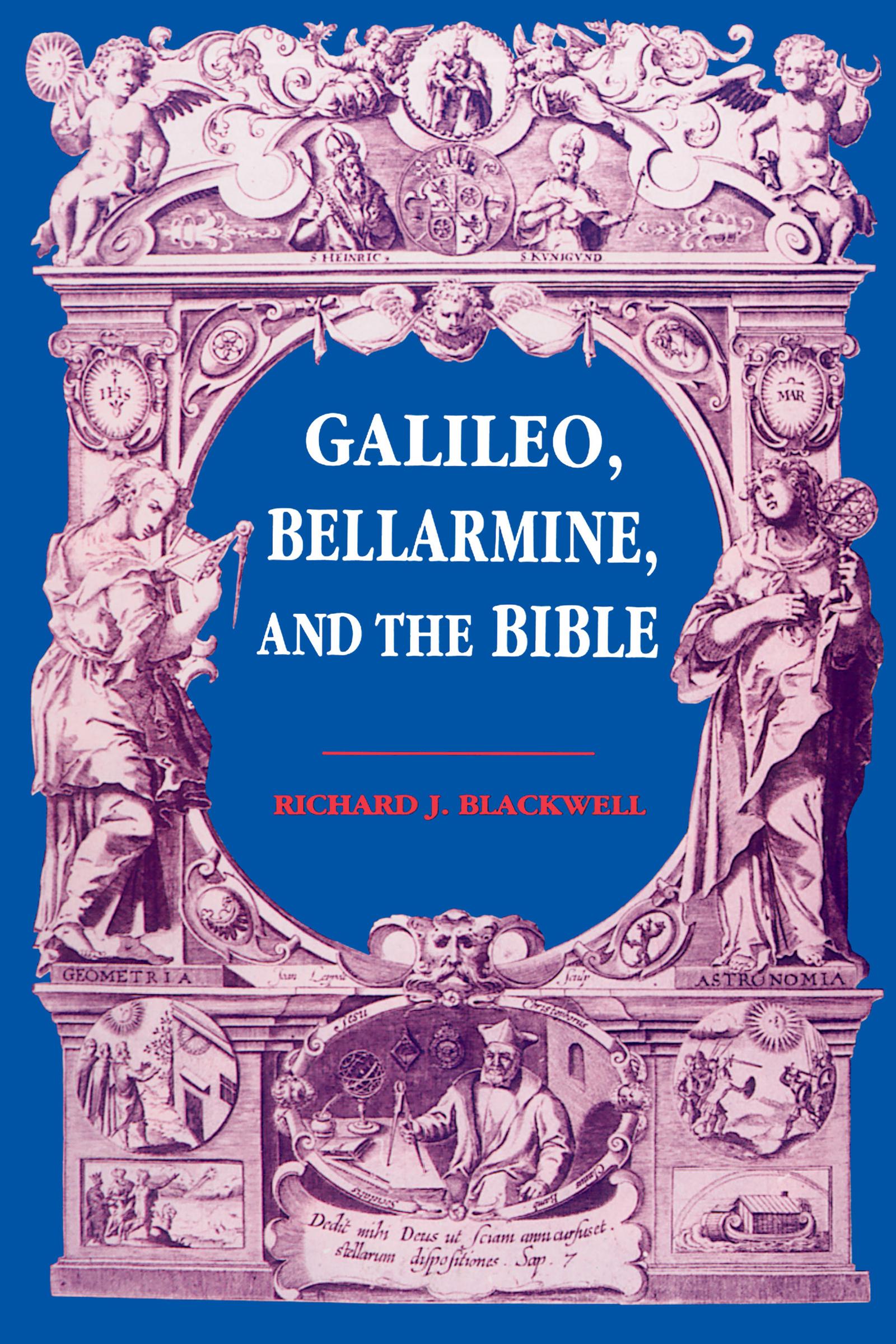
Considered the paradigm case of the troubled interaction between science and religion, the conflict between Galileo and the Church continues to generate new research and lively debate. Richard J. Blackwell offers a fresh approach to the Galileo case, using as his primary focus the biblical and ecclesiastical issues that were the battleground for the celebrated confrontation. Blackwell's research in the Vatican manuscript collection and the Jesuit archives in Rome enables him to re-create a vivid picture of the trends and counter-trends that influenced leading Catholic thinkers of the period: the conservative reaction to the Reformation, the role of authority in biblical exegesis and in guarding orthodoxy from the inroads of "unbridled spirits," and the position taken by Cardinal Bellarmine and the Jesuits in attempting to weigh the discoveries of the new science in the context of traditional philosophy and theology. A centerpiece of Blackwell's investigation is his careful reading of the brief treatise Letter on the Motion of the Earth by Paolo Antonio Foscarini, a Carmelite scholar, arguing for the compatibility of the Copernican system with the Bible. Blackwell appends the first modern translation into English of this important and neglected document, which was placed on the Index of Forbidden Books in 1616. Though there were differing and competing theories of biblical interpretation advocated in Galileo's time—the legacy of the Council of Trent, the views of Cardinal Bellarmine, the most influential churchman of his time, and, finally, the claims of authority and obedience that weakened the abillity of Jesuit scientists to support the new science—all contributed to the eventual condemnation of Galileo in 1633. Blackwell argues convincingly that the maintenance of ecclesiastical authority, not the scientific issues themselves, led to that tragic trial.
Before Memmo my notes were scattered across PDFs. Now a workspace pulls everything into one place — I see exactly what's still left to study.
Memmo's summaries are gold before exams. I don't have to re-read 800 pages two weeks before — just the important parts.
The AI chat has saved me the night before an exam more than once. I just keep asking until I get it — no waiting on a study group to reply.
The quizzes hit exactly what I need to know. Memmo tracks what I get stuck on — so I only practice what's worth it.
Flashcards with spaced repetition are magic. Memmo knows when I'm about to forget something and brings it back.
The AI podcasts are my favorite. I listen on my way to school and get a recap without sitting at a computer.

Handbok i kvalitativa metoder
281 kr

Hållbar utveckling: en introduktion för ingenjörer och andra problemlösare
334 kr

Brymans Samhällsvetenskapliga metoder
390 kr

Projektledning
491 kr

Den orättvisa hälsan: om socioekonomiska skillnader i hälsa och livslängd
326 kr

Vetenskapsteori för nybörjare
196 kr

Organizational Leadership
429 kr

På väg mot läraryrket
172 kr

Det sociala livet i skolan: Socialpsykologiska perspektiv
253 kr

Betygsättningens didaktik
151 kr

Personality
402 kr

Studying Leadership
404 kr

Managing Innovation
477 kr

Introduktion till samhällsvetenskaplig metod
347 kr

The Psychology of Sex and Gender
698 kr

Evidens och kunskap för socialt arbete
207 kr

Introduction to Leadership
605 kr