
Before Memmo my notes were scattered across PDFs. Now a workspace pulls everything into one place — I see exactly what's still left to study.
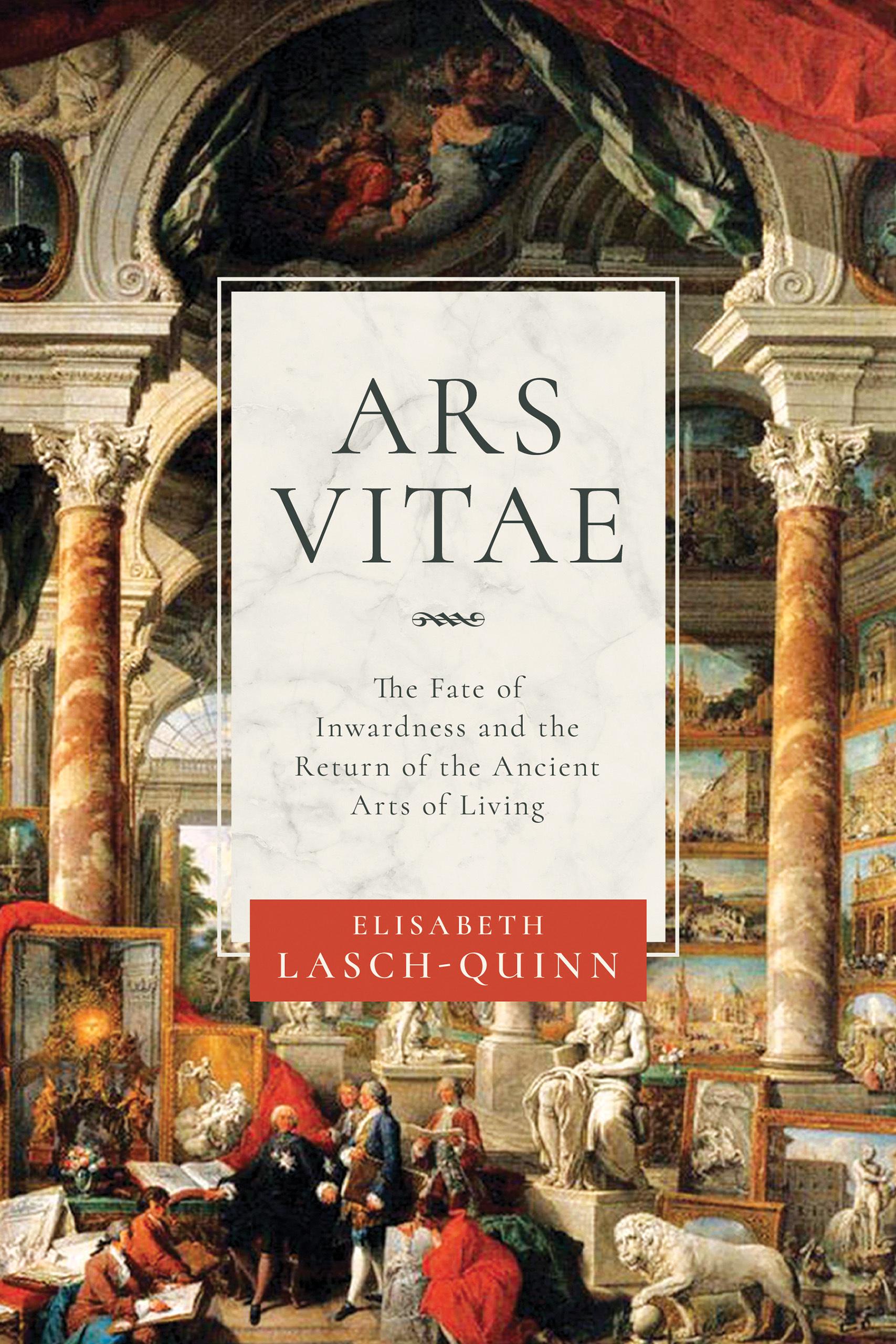
Despite the flood of self-help guides and our current therapeutic culture, feelings of alienation and spiritual longing continue to grip modern society. In this book, Elisabeth Lasch-Quinn offers a fresh solution: a return to classic philosophy and the cultivation of an inner life.
The ancient Roman philosopher Cicero wrote that philosophy is ars vitae, the art of living. Today, signs of stress and duress point to a full-fledged crisis for individuals and communities while current modes of making sense of our lives prove inadequate. Yet, in this time of alienation and spiritual longing, we can glimpse signs of a renewed interest in ancient approaches to the art of living.
In this ambitious and timely book, Elisabeth Lasch-Quinn engages both general readers and scholars on the topic of well-being. She examines the reappearance of ancient philosophical thought in contemporary American culture, probing whether new stirrings of Gnosticism, Stoicism, Epicureanism, Cynicism, and Platonism present a true alternative to our current therapeutic culture of self-help and consumerism, which elevates the self’s needs and desires yet fails to deliver on its promises of happiness and healing. Do the ancient philosophies represent a counter-tradition to today’s culture, auguring a new cultural vibrancy, or do they merely solidify a modern way of life that has little use for inwardness—the cultivation of an inner life—stemming from those older traditions? Tracing the contours of this cultural resurgence and exploring a range of sources, from scholarship to self-help manuals, films, and other artifacts of popular culture, this book sees the different schools as organically interrelated and asks whether, taken together, they can point us in important new directions.
Ars Vitae sounds a clarion call to take back philosophy as part of our everyday lives. It proposes a way to do so, sifting through the ruins of long-forgotten and recent history alike for any shards helpful in piecing together the coherence of a moral framework that allows us ways to move forward toward the life we want and need.
Before Memmo my notes were scattered across PDFs. Now a workspace pulls everything into one place — I see exactly what's still left to study.
Memmo's summaries are gold before exams. I don't have to re-read 800 pages two weeks before — just the important parts.
The AI chat has saved me the night before an exam more than once. I just keep asking until I get it — no waiting on a study group to reply.
The quizzes hit exactly what I need to know. Memmo tracks what I get stuck on — so I only practice what's worth it.
Flashcards with spaced repetition are magic. Memmo knows when I'm about to forget something and brings it back.
The AI podcasts are my favorite. I listen on my way to school and get a recap without sitting at a computer.

Handbok i kvalitativa metoder
281 kr

Hållbar utveckling: en introduktion för ingenjörer och andra problemlösare
334 kr

Brymans Samhällsvetenskapliga metoder
390 kr

Projektledning
491 kr

Den orättvisa hälsan: om socioekonomiska skillnader i hälsa och livslängd
326 kr

Organizational Leadership
429 kr

Vetenskapsteori för nybörjare
196 kr

På väg mot läraryrket
172 kr

Det sociala livet i skolan: Socialpsykologiska perspektiv
253 kr

Betygsättningens didaktik
151 kr

Personality
402 kr

Studying Leadership
404 kr

Managing Innovation
477 kr

Introduktion till samhällsvetenskaplig metod
347 kr

The Psychology of Sex and Gender
698 kr

Evidens och kunskap för socialt arbete
207 kr

Introduction to Leadership
605 kr