
Before Memmo my notes were scattered across PDFs. Now a workspace pulls everything into one place — I see exactly what's still left to study.
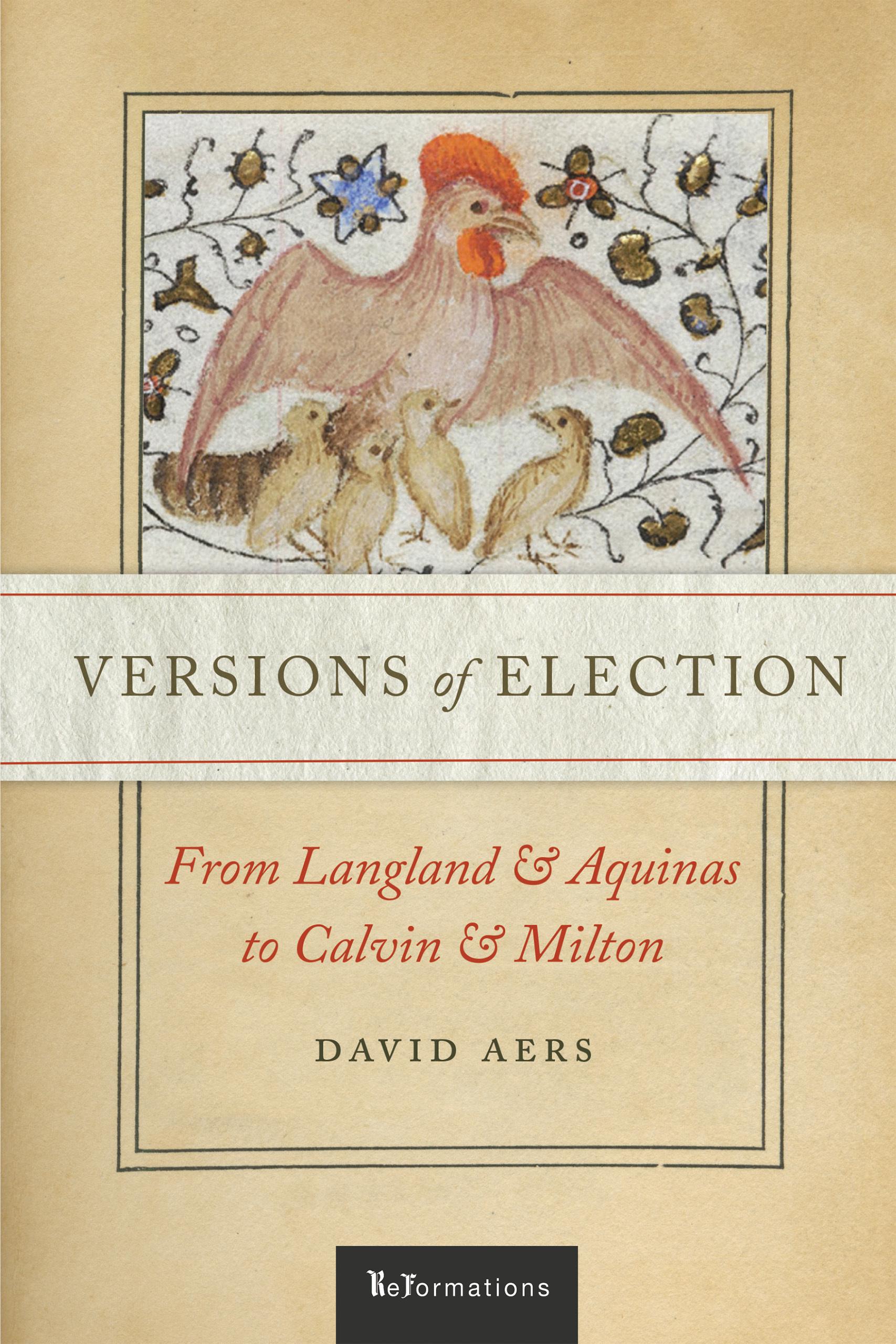
Concepts of predestination and reprobation were central issues in the Protestant Reformation, especially within Calvinist churches, and thus have often been studied primarily in the historical context of the sixteenth and seventeenth centuries. In Versions of Election: From Langland and Aquinas to Calvin and Milton, David Aers takes a longer view of these key issues in Christian theology. With meticulous attention to the texts of medieval and early modern theologians, poets, and popular writers, this book argues that we can understand the full complexity of the history of various teachings on the doctrine of election only through a detailed diachronic study that takes account of multiple periods and disciplines. Throughout this wide-ranging study, Aers examines how various versions of predestination and reprobation emerge and re-emerge in Christian tradition from the Middle Ages through the seventeenth century. Starting with incisive readings of medieval works by figures such as William Langland, Thomas Aquinas, and Robert Holcot, and continuing on to a nuanced consideration of texts by Protestant thinkers and writers, including John Calvin, Arthur Dent, William Twisse, and John Milton (among others), Aers traces the twisting and unpredictable history of prominent versions of predestination and reprobation across the divide of the Reformation and through a wide variety of genres. In so doing, Aers offers not only a detailed study of election but also important insights into how Christian tradition is made, unmade, and remade.
Versions of Election is an original, cross-disciplinary study that touches upon the fields of literature, theology, ethics, and politics, and makes important contributions to the study of both medieval and early modern intellectual and literary history. It will appeal to academics in these fields, as well as clergy and other educated readers from a wide variety of denominations.
Before Memmo my notes were scattered across PDFs. Now a workspace pulls everything into one place — I see exactly what's still left to study.
Memmo's summaries are gold before exams. I don't have to re-read 800 pages two weeks before — just the important parts.
The AI chat has saved me the night before an exam more than once. I just keep asking until I get it — no waiting on a study group to reply.
The quizzes hit exactly what I need to know. Memmo tracks what I get stuck on — so I only practice what's worth it.
Flashcards with spaced repetition are magic. Memmo knows when I'm about to forget something and brings it back.
The AI podcasts are my favorite. I listen on my way to school and get a recap without sitting at a computer.

Handbok i kvalitativa metoder
281 kr

Hållbar utveckling: en introduktion för ingenjörer och andra problemlösare
334 kr

Brymans Samhällsvetenskapliga metoder
390 kr

Projektledning
491 kr

Den orättvisa hälsan: om socioekonomiska skillnader i hälsa och livslängd
326 kr

Vetenskapsteori för nybörjare
196 kr

Organizational Leadership
429 kr

På väg mot läraryrket
172 kr

Det sociala livet i skolan: Socialpsykologiska perspektiv
253 kr

Betygsättningens didaktik
151 kr

Personality
402 kr

Studying Leadership
404 kr

Managing Innovation
477 kr

Introduktion till samhällsvetenskaplig metod
347 kr

The Psychology of Sex and Gender
698 kr

Evidens och kunskap för socialt arbete
207 kr

Introduction to Leadership
605 kr