
Before Memmo my notes were scattered across PDFs. Now a workspace pulls everything into one place — I see exactly what's still left to study.
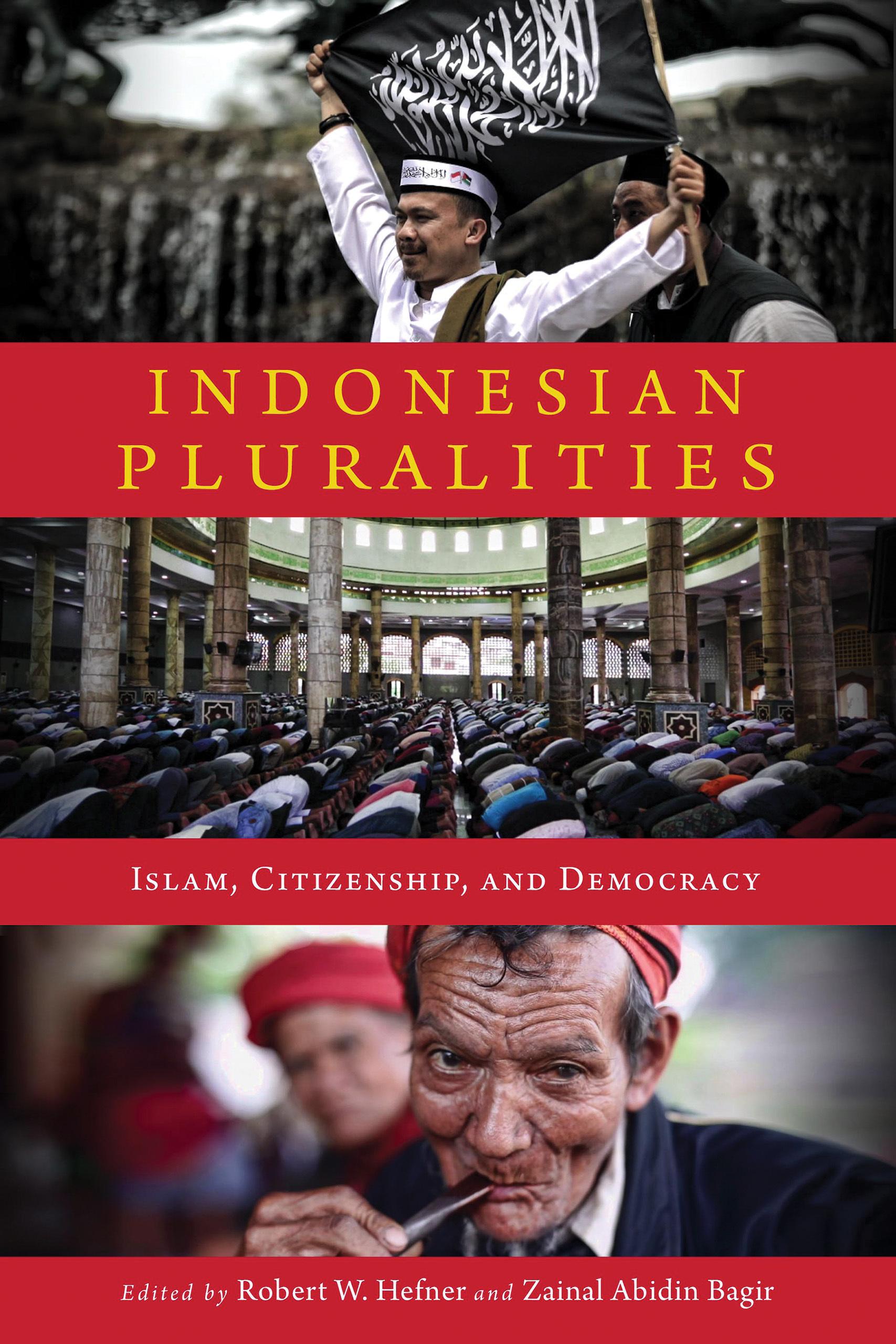
The crisis of multiculturalism in the West and the failure of the Arab uprisings in the Middle East have pushed the question of how to live peacefully within a diverse society to the forefront of global discussion. Against this backdrop, Indonesia has taken on a particular importance: with a population of 265 million people (87.7 percent of whom are Muslim), Indonesia is both the largest Muslim-majority country in the world and the third-largest democracy. In light of its return to electoral democracy from the authoritarianism of the former New Order regime, some analysts have argued that Indonesia offers clear proof of the compatibility of Islam and democracy. Skeptics argue, however, that the growing religious intolerance that has marred the country’s political transition discredits any claim of the country to democratic exemplarity. Based on a twenty-month project carried out in several regions of Indonesia, Indonesian Pluralities: Islam, Citizenship, and Democracy shows that, in assessing the quality and dynamics of democracy and citizenship in Indonesia today, we must examine not only elections and official politics, but also the less formal, yet more pervasive, processes of social recognition at work in this deeply plural society. The contributors demonstrate that, in fact, citizen ethics are not static discourses but living traditions that co-evolve in relation to broader patterns of politics, gender, religious resurgence, and ethnicity in society.
Indonesian Pluralities offers important insights on the state of Indonesian politics and society more than twenty years after its return to democracy. It will appeal to political scholars, public analysts, and those interested in Islam, Southeast Asia, citizenship, and peace and conflict studies around the world.
Contributors: Robert W. Hefner, Erica M. Larson, Kelli Swazey, Mohammad Iqbal Ahnaf, Marthen Tahun, Alimatul Qibtiyah, and Zainal Abidin Bagir
Before Memmo my notes were scattered across PDFs. Now a workspace pulls everything into one place — I see exactly what's still left to study.
Memmo's summaries are gold before exams. I don't have to re-read 800 pages two weeks before — just the important parts.
The AI chat has saved me the night before an exam more than once. I just keep asking until I get it — no waiting on a study group to reply.
The quizzes hit exactly what I need to know. Memmo tracks what I get stuck on — so I only practice what's worth it.
Flashcards with spaced repetition are magic. Memmo knows when I'm about to forget something and brings it back.
The AI podcasts are my favorite. I listen on my way to school and get a recap without sitting at a computer.

Handbok i kvalitativa metoder
281 kr

Hållbar utveckling: en introduktion för ingenjörer och andra problemlösare
334 kr

Brymans Samhällsvetenskapliga metoder
390 kr

Projektledning
491 kr

Den orättvisa hälsan: om socioekonomiska skillnader i hälsa och livslängd
326 kr

Organizational Leadership
429 kr

Vetenskapsteori för nybörjare
196 kr

På väg mot läraryrket
172 kr

Det sociala livet i skolan: Socialpsykologiska perspektiv
253 kr

Betygsättningens didaktik
151 kr

Personality
402 kr

Studying Leadership
404 kr

Managing Innovation
477 kr

Introduktion till samhällsvetenskaplig metod
347 kr

The Psychology of Sex and Gender
698 kr

Evidens och kunskap för socialt arbete
207 kr

Introduction to Leadership
605 kr