
Before Memmo my notes were scattered across PDFs. Now a workspace pulls everything into one place — I see exactly what's still left to study.
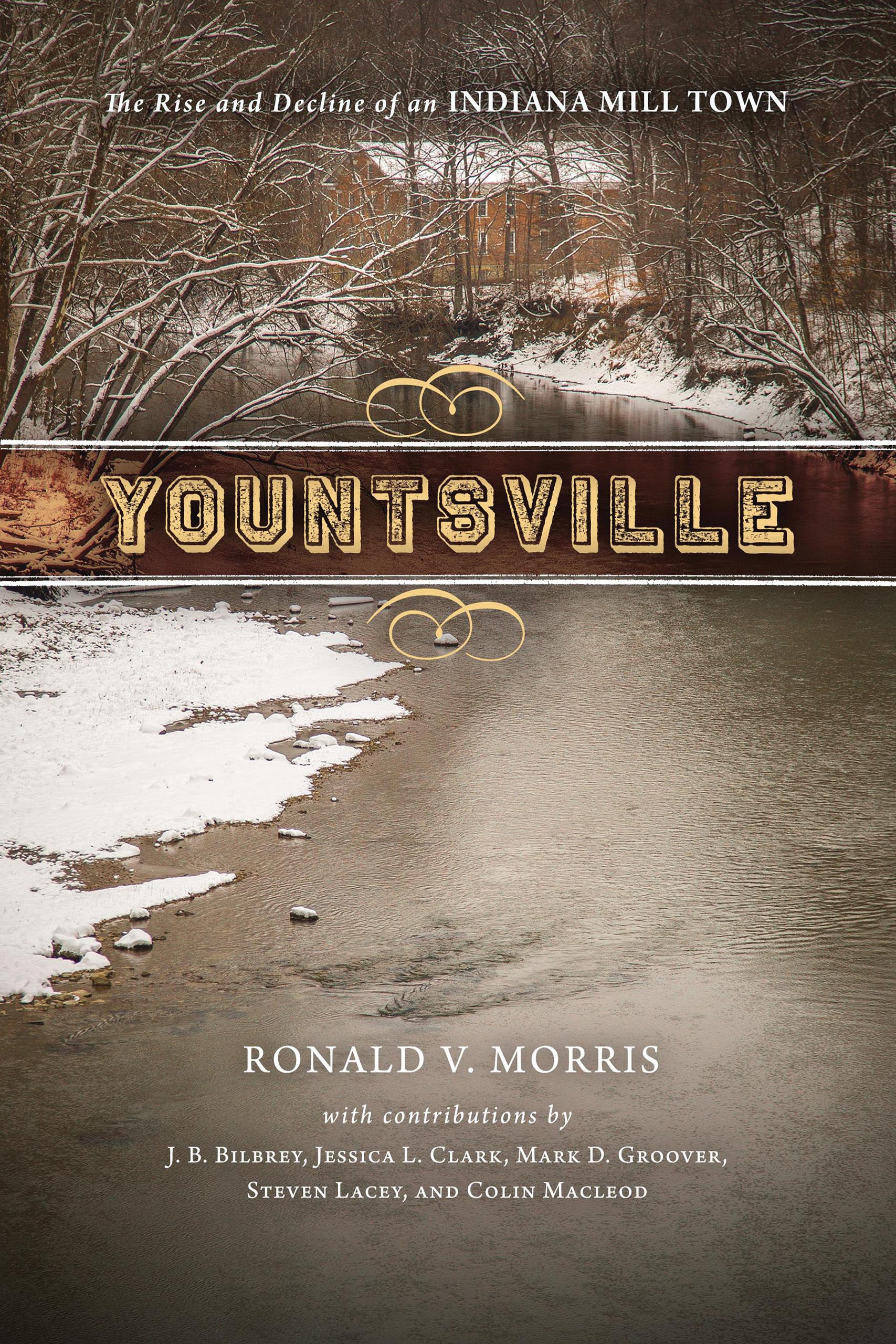
In Yountsville: The Rise and Decline of an Indiana Mill Town , Ronald Morris and collaborators examine the history and context of a rural Midwestern town, including family labor, working women, immigrants, and competing visions of the future. Combing perspectives from history, economics, and archeology, this exploration of a pioneering Midwestern company town highlights how interdisciplinary approaches can help recover forgotten communities.
The Yount Woolen Mill was founded during the pioneer period by immigrants from Germany who employed workers from the surrounding area and from Great Britain who were seeking to start a life with their families. For three generations the mill prospered until it and its workers were faced with changing global trade and aging technology that could not keep pace with the rest of the world. Deindustrialization compelled some residents to use education to adapt, while others held on to their traditional skills and were forced to relocate.
Educators in the county seat offered Yountsville the opportunity to change to an education-based economy. Both the educators and the tradesmen associated with the mill believed their chosen paths gave children the best opportunities for the future. Present-day communities working through industrialization and deindustrialization still push for educational reform to improve the lives of their children. In the Midwest, many stories exist about German immigrants working in urban areas, but there are few stories of immigrants as capitalists in rural areas. The story of the Yount family is one of an immigrant family who built an industry with talent, labor, and advantage. Unfortunately, deindustrialization, dislocation, adaptation, and reuse were familiar problems in the Midwest. Archeologists, scholars, and students of state and local history and the Midwest will find much of interest in this book.
Before Memmo my notes were scattered across PDFs. Now a workspace pulls everything into one place — I see exactly what's still left to study.
Memmo's summaries are gold before exams. I don't have to re-read 800 pages two weeks before — just the important parts.
The AI chat has saved me the night before an exam more than once. I just keep asking until I get it — no waiting on a study group to reply.
The quizzes hit exactly what I need to know. Memmo tracks what I get stuck on — so I only practice what's worth it.
Flashcards with spaced repetition are magic. Memmo knows when I'm about to forget something and brings it back.
The AI podcasts are my favorite. I listen on my way to school and get a recap without sitting at a computer.

Handbok i kvalitativa metoder
281 kr

Hållbar utveckling: en introduktion för ingenjörer och andra problemlösare
334 kr

Brymans Samhällsvetenskapliga metoder
390 kr

Projektledning
491 kr

Den orättvisa hälsan: om socioekonomiska skillnader i hälsa och livslängd
326 kr

Vetenskapsteori för nybörjare
196 kr

Organizational Leadership
429 kr

På väg mot läraryrket
172 kr

Det sociala livet i skolan: Socialpsykologiska perspektiv
253 kr

Betygsättningens didaktik
151 kr

Personality
402 kr

Studying Leadership
404 kr

Managing Innovation
477 kr

Introduktion till samhällsvetenskaplig metod
347 kr

The Psychology of Sex and Gender
698 kr

Evidens och kunskap för socialt arbete
207 kr

Introduction to Leadership
605 kr