
Before Memmo my notes were scattered across PDFs. Now a workspace pulls everything into one place — I see exactly what's still left to study.
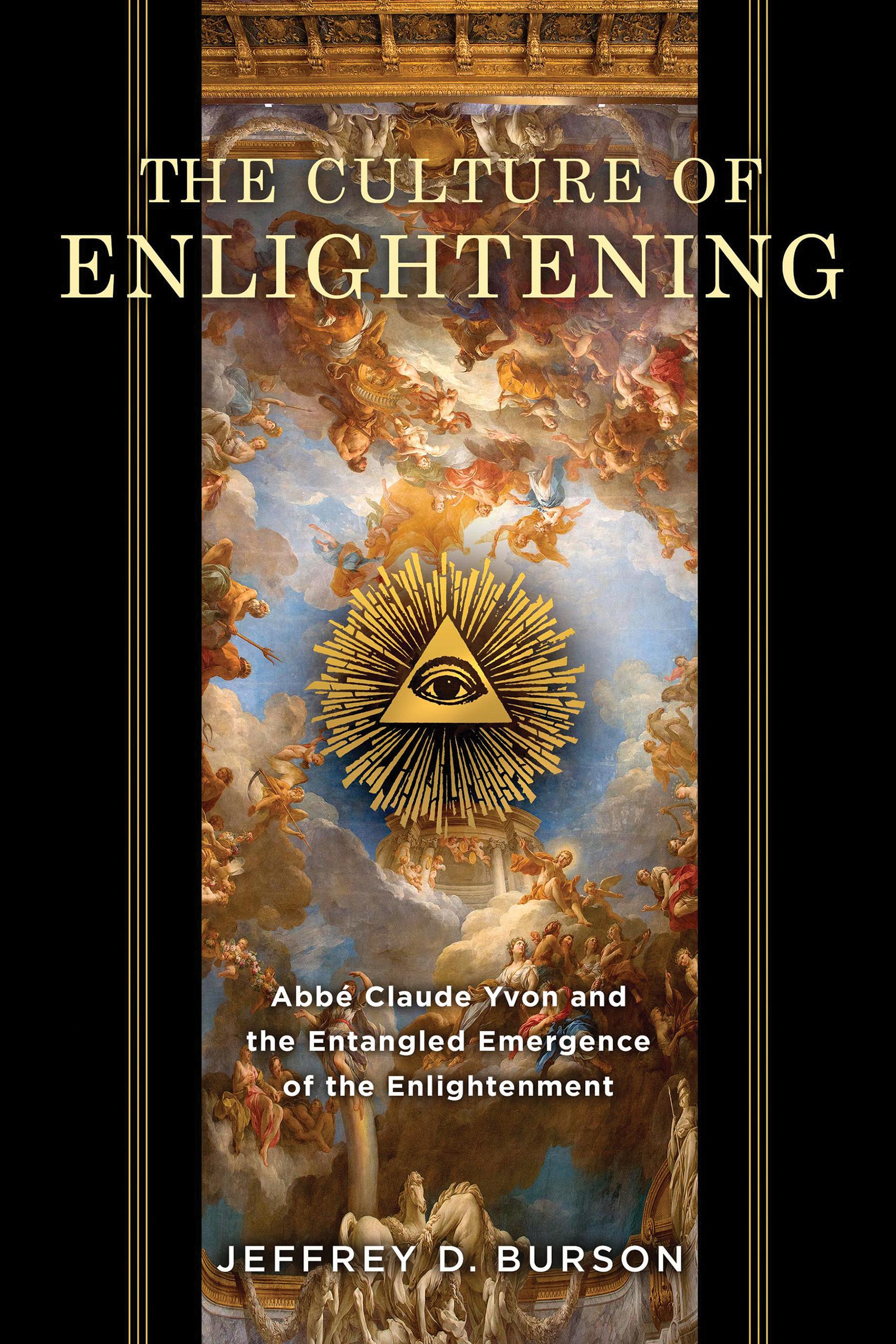
Recent scholarly and popular attempts to define the Enlightenment, account for its diversity, and evaluate its historical significance suffer from a surprising lack of consensus at a time when the social and political challenges of today cry out for a more comprehensive and serviceable understanding of its importance. This book argues that regnant notions of the Enlightenment, the Radical Enlightenment, and the multitude of regional and religious enlightenments proposed by scholars all share an entangled intellectual genealogy rooted in a broader revolutionary "culture of enlightening" that took shape over the long-arc of intellectual history from the waning of the sixteenth-century Reformations to the dawn of the Atlantic Revolutionary era. Generated in competition for a changing readership and forged in dialog and conflict, dynamic and diverse notions of what it meant to be enlightened constituted a broader culture of enlightening from which the more familiar strains of the Enlightenment emerged, often ironically and accidentally, from originally religious impulses and theological questioning.
By adapting, for the first time, methodological insights from the scholarship of historical entanglement (l'histoire croisée) to the study of the Enlightenment, this book provides a new interpretation of the European republic of letters from the late 1600s through the 1700s by focusing on the lived experience of the long-neglected Catholic theologian, historian, and contributor to Diderot's Encyclopédie, Abbé Claude Yvon. The ambivalent historical memory of Yvon, as well as the eclectic and global array of his sources and endeavors, Burson argues, can serve as a gauge for evaluating historical transformations in the surprisingly diverse ways in which eighteenth-century individuals spoke about enlightening human reason, religion, and society. Ultimately, Burson provocatively claims that even the most radical fruits of the Enlightenment can be understood as the unintended offspring of a revolution in theology and the cultural history of religious experience.
Before Memmo my notes were scattered across PDFs. Now a workspace pulls everything into one place — I see exactly what's still left to study.
Memmo's summaries are gold before exams. I don't have to re-read 800 pages two weeks before — just the important parts.
The AI chat has saved me the night before an exam more than once. I just keep asking until I get it — no waiting on a study group to reply.
The quizzes hit exactly what I need to know. Memmo tracks what I get stuck on — so I only practice what's worth it.
Flashcards with spaced repetition are magic. Memmo knows when I'm about to forget something and brings it back.
The AI podcasts are my favorite. I listen on my way to school and get a recap without sitting at a computer.

Handbok i kvalitativa metoder
281 kr

Hållbar utveckling: en introduktion för ingenjörer och andra problemlösare
334 kr

Brymans Samhällsvetenskapliga metoder
390 kr

Projektledning
491 kr

Den orättvisa hälsan: om socioekonomiska skillnader i hälsa och livslängd
326 kr

Vetenskapsteori för nybörjare
196 kr

Organizational Leadership
429 kr

På väg mot läraryrket
172 kr

Det sociala livet i skolan: Socialpsykologiska perspektiv
253 kr

Betygsättningens didaktik
151 kr

Personality
402 kr

Studying Leadership
404 kr

Managing Innovation
477 kr

Introduktion till samhällsvetenskaplig metod
347 kr

The Psychology of Sex and Gender
698 kr

Evidens och kunskap för socialt arbete
207 kr

Introduction to Leadership
605 kr