
Before Memmo my notes were scattered across PDFs. Now a workspace pulls everything into one place — I see exactly what's still left to study.
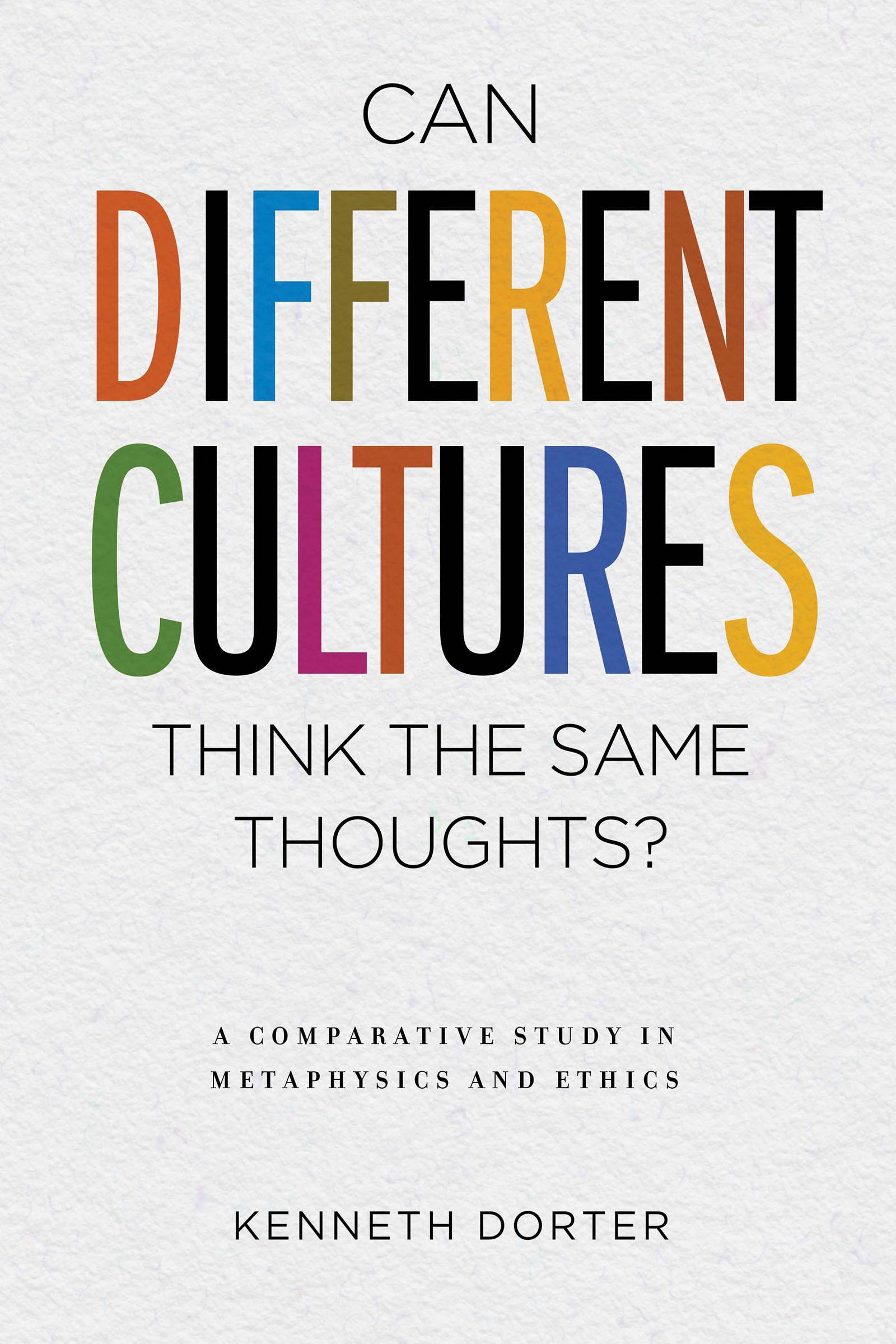
Kenneth Dorter’s Can Different Cultures Think the Same Thoughts? is a study of fundamental issues in metaphysics and ethics across major philosophical traditions of the world, including the way in which metaphysics can be a foundation for ethics, as well as the importance of metaphysics on its own terms. Dorter examines such questions through a detailed comparison of selected major thinkers and classic works in three global philosophical traditions, those of India, China, and the West.
In each chapter Dorter juxtaposes and compares two or more philosophers or classic works from different traditions, from Spinoza and Shankara, to Confucius and Plato, to Marcus Aurelius and the Bhagavad Gita. In doing so he explores different perspectives and reveals limitations and assumptions that might otherwise be obscure.
The goal of Dorter’s cross-cultural approach is to consider how far works from different cultures can be understood as holding comparable philosophical views. Although Dorter reveals commonalities across the different traditions, he makes no claim that there is such a thing as a universal philosophy. Clearly there are fundamental disagreements among the philosophers and works studied. Yet in each of the case studies of a particular chapter, we can discover a shared, or at least analogous, way of looking at issues across different cultures. All those interested in metaphysics, ethics, Indian philosophy, Chinese philosophy, and comparative philosophy will find much of interest in this book.
Before Memmo my notes were scattered across PDFs. Now a workspace pulls everything into one place — I see exactly what's still left to study.
Memmo's summaries are gold before exams. I don't have to re-read 800 pages two weeks before — just the important parts.
The AI chat has saved me the night before an exam more than once. I just keep asking until I get it — no waiting on a study group to reply.
The quizzes hit exactly what I need to know. Memmo tracks what I get stuck on — so I only practice what's worth it.
Flashcards with spaced repetition are magic. Memmo knows when I'm about to forget something and brings it back.
The AI podcasts are my favorite. I listen on my way to school and get a recap without sitting at a computer.

Handbok i kvalitativa metoder
281 kr

Hållbar utveckling: en introduktion för ingenjörer och andra problemlösare
334 kr

Brymans Samhällsvetenskapliga metoder
390 kr

Projektledning
491 kr

Den orättvisa hälsan: om socioekonomiska skillnader i hälsa och livslängd
326 kr

Organizational Leadership
429 kr

Vetenskapsteori för nybörjare
196 kr

På väg mot läraryrket
172 kr

Det sociala livet i skolan: Socialpsykologiska perspektiv
253 kr

Betygsättningens didaktik
151 kr

Personality
402 kr

Studying Leadership
404 kr

Managing Innovation
477 kr

Introduktion till samhällsvetenskaplig metod
347 kr

The Psychology of Sex and Gender
698 kr

Evidens och kunskap för socialt arbete
207 kr

Introduction to Leadership
605 kr