
Before Memmo my notes were scattered across PDFs. Now a workspace pulls everything into one place — I see exactly what's still left to study.
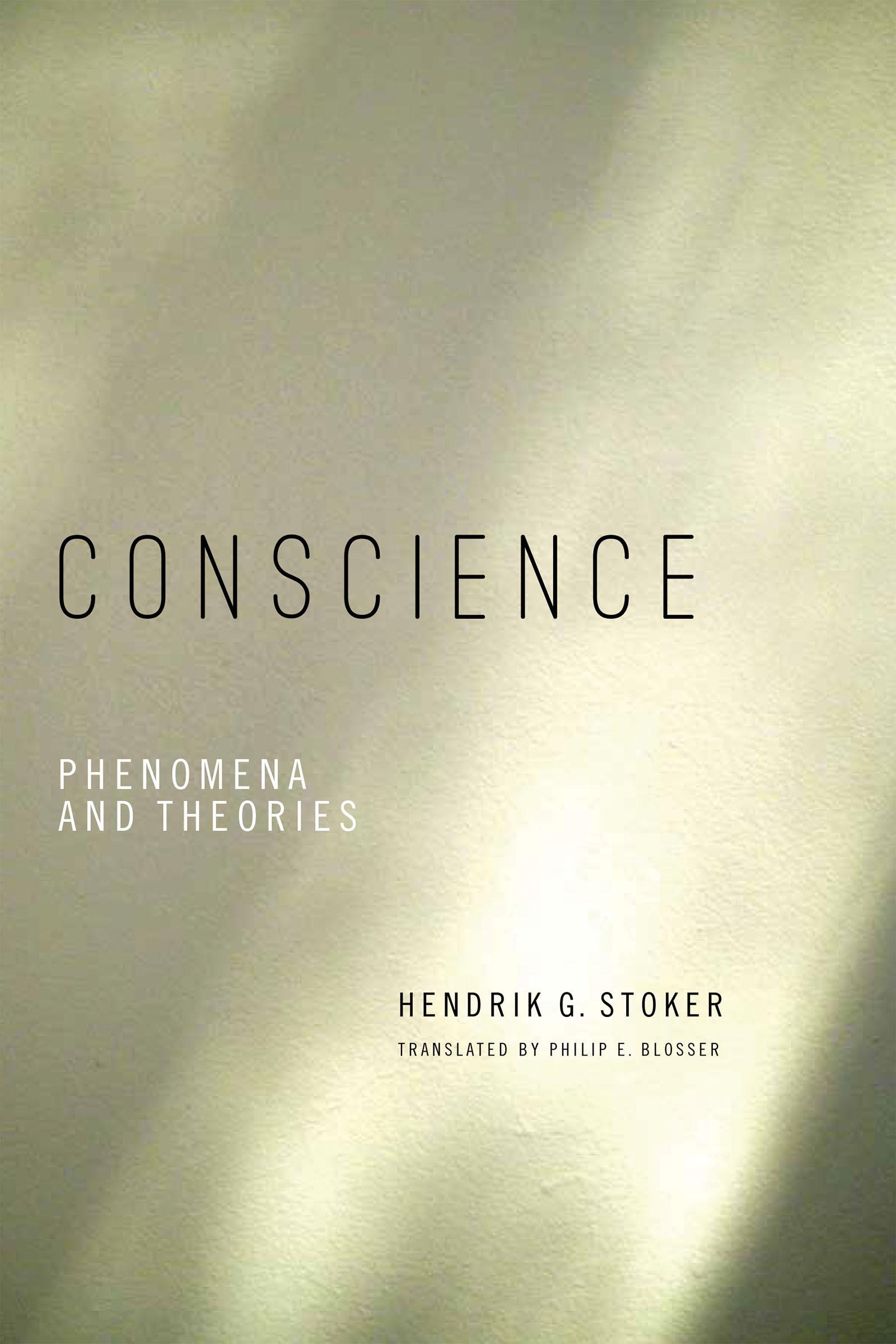
Conscience: Phenomena and Theories was first published in German in 1925 as a dissertation by Hendrik G. Stoker under the title Das Gewissen: Erscheinungsformen und Theorien. It was received with acclaim by philosophers at the time, including Stoker’s dissertation mentor Max Scheler, Martin Heidegger, and Herbert Spielberg, as quite possibly the single most comprehensive philosophical treatment of conscience and as a major contribution in the phenomenological tradition. Stoker’s study offers a detailed historical survey of the concept of conscience from ancient times through the Middle Ages up to more modern thinkers, including Schopenhauer, Nietzsche, Freud, and Cardinal Newman. Stoker analyzes not only the concept of conscience in academic theory but also various types of theories of conscience. His work offers insightful discussions of problems and theories related to the genesis, reliability, and validity of conscience. In particular, Stoker analyzes the moral, spiritual, and psychological phenomena connected with bad conscience, which in turn illuminate the concept of conscience. The book is deeply informed by the traditions of western Christianity. Available for the first time in an accessible English translation, with an introduction by its translator and editor, Philip E. Blosser, it promises to be of interest to philosophers, especially in Christian philosophy and phenomenology, and also to all those interested in moral and religious psychology, ethics, religion, and theology.
Before Memmo my notes were scattered across PDFs. Now a workspace pulls everything into one place — I see exactly what's still left to study.
Memmo's summaries are gold before exams. I don't have to re-read 800 pages two weeks before — just the important parts.
The AI chat has saved me the night before an exam more than once. I just keep asking until I get it — no waiting on a study group to reply.
The quizzes hit exactly what I need to know. Memmo tracks what I get stuck on — so I only practice what's worth it.
Flashcards with spaced repetition are magic. Memmo knows when I'm about to forget something and brings it back.
The AI podcasts are my favorite. I listen on my way to school and get a recap without sitting at a computer.

Handbok i kvalitativa metoder
281 kr

Hållbar utveckling: en introduktion för ingenjörer och andra problemlösare
334 kr

Brymans Samhällsvetenskapliga metoder
390 kr

Projektledning
491 kr

Den orättvisa hälsan: om socioekonomiska skillnader i hälsa och livslängd
326 kr

Organizational Leadership
429 kr

Vetenskapsteori för nybörjare
196 kr

På väg mot läraryrket
172 kr

Det sociala livet i skolan: Socialpsykologiska perspektiv
253 kr

Betygsättningens didaktik
151 kr

Personality
402 kr

Studying Leadership
404 kr

Managing Innovation
477 kr

Introduktion till samhällsvetenskaplig metod
347 kr

The Psychology of Sex and Gender
698 kr

Evidens och kunskap för socialt arbete
207 kr

Introduction to Leadership
605 kr