
Before Memmo my notes were scattered across PDFs. Now a workspace pulls everything into one place — I see exactly what's still left to study.
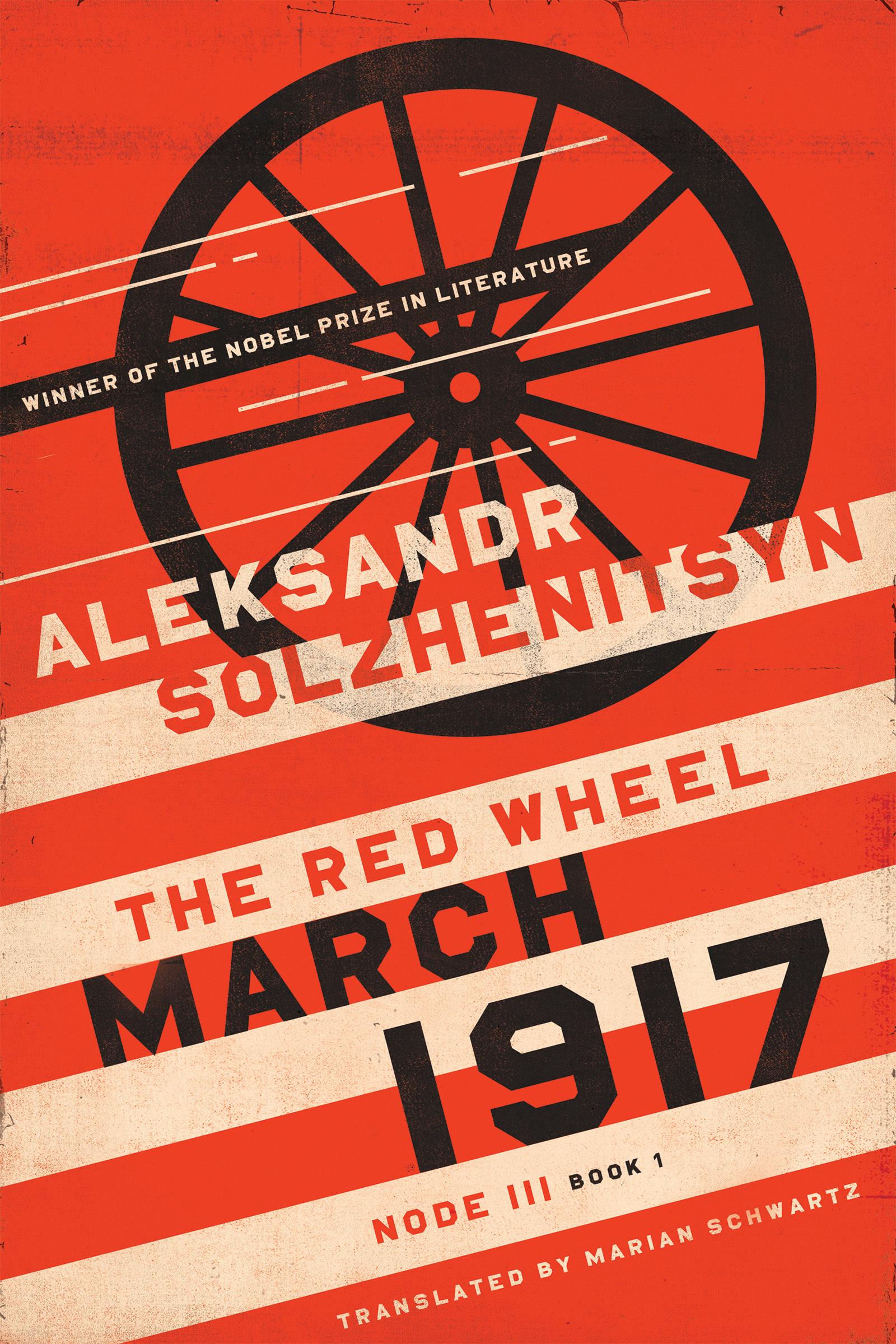
To commemorate the 100th anniversary of the Russian Revolution, the University of Notre Dame Press is proud to publish Nobel Prize–winner Aleksandr Solzhenitsyn’s epic work March 1917, Node III, Book 1, of The Red Wheel.
The Red Wheel is Solzhenitsyn’s magnum opus about the Russian Revolution. Solzhenitsyn tells this story in the form of a meticulously researched historical novel, supplemented by newspaper headlines of the day, fragments of street action, cinematic screenplay, and historical overview. The first two nodes—August 1914 and November 1916—focus on Russia’s crises and recovery, on revolutionary terrorism and its suppression, on the missed opportunity of Pyotr Stolypin’s reforms, and how the surge of patriotism in August 1914 soured as Russia bled in World War I.
March 1917—the third node—tells the story of the Russian Revolution itself, during which not only does the Imperial government melt in the face of the mob, but the leaders of the opposition prove utterly incapable of controlling the course of events. The action of Book 1 (of four) of March 1917 is set during March 8–12. The absorbing narrative tells the stories of more than fifty characters during the days when the Russian Empire begins to crumble. Bread riots in the capital, Petrograd, go unchecked at first, and the police are beaten and killed by mobs. Efforts to put down the violence using the army trigger a mutiny in the numerous reserve regiments housed in the city, who kill their officers and rampage. The anti-Tsarist bourgeois opposition, horrified by the violence, scrambles to declare that it is provisionally taking power, while socialists immediately create a Soviet alternative to undermine it. Meanwhile, Emperor Nikolai II is away at military headquarters and his wife Aleksandra is isolated outside Petrograd, caring for their sick children. Suddenly, the viability of the Russian state itself is called into question.
The Red Wheel has been compared to Tolstoy’s War and Peace, for each work aims to narrate the story of an era in a way that elevates its universal significance. In much the same way as Homer’s Iliad became the representative account of the Greek world and therefore the basis for Greek civilization, these historical epics perform a parallel role for our modern world.
Before Memmo my notes were scattered across PDFs. Now a workspace pulls everything into one place — I see exactly what's still left to study.
Memmo's summaries are gold before exams. I don't have to re-read 800 pages two weeks before — just the important parts.
The AI chat has saved me the night before an exam more than once. I just keep asking until I get it — no waiting on a study group to reply.
The quizzes hit exactly what I need to know. Memmo tracks what I get stuck on — so I only practice what's worth it.
Flashcards with spaced repetition are magic. Memmo knows when I'm about to forget something and brings it back.
The AI podcasts are my favorite. I listen on my way to school and get a recap without sitting at a computer.

Handbok i kvalitativa metoder
281 kr

Hållbar utveckling: en introduktion för ingenjörer och andra problemlösare
334 kr

Brymans Samhällsvetenskapliga metoder
390 kr

Projektledning
491 kr

Den orättvisa hälsan: om socioekonomiska skillnader i hälsa och livslängd
326 kr

Organizational Leadership
429 kr

Vetenskapsteori för nybörjare
196 kr

På väg mot läraryrket
172 kr

Det sociala livet i skolan: Socialpsykologiska perspektiv
253 kr

Betygsättningens didaktik
151 kr

Personality
402 kr

Studying Leadership
404 kr

Managing Innovation
477 kr

Introduktion till samhällsvetenskaplig metod
347 kr

The Psychology of Sex and Gender
698 kr

Evidens och kunskap för socialt arbete
207 kr

Introduction to Leadership
605 kr