
Before Memmo my notes were scattered across PDFs. Now a workspace pulls everything into one place — I see exactly what's still left to study.
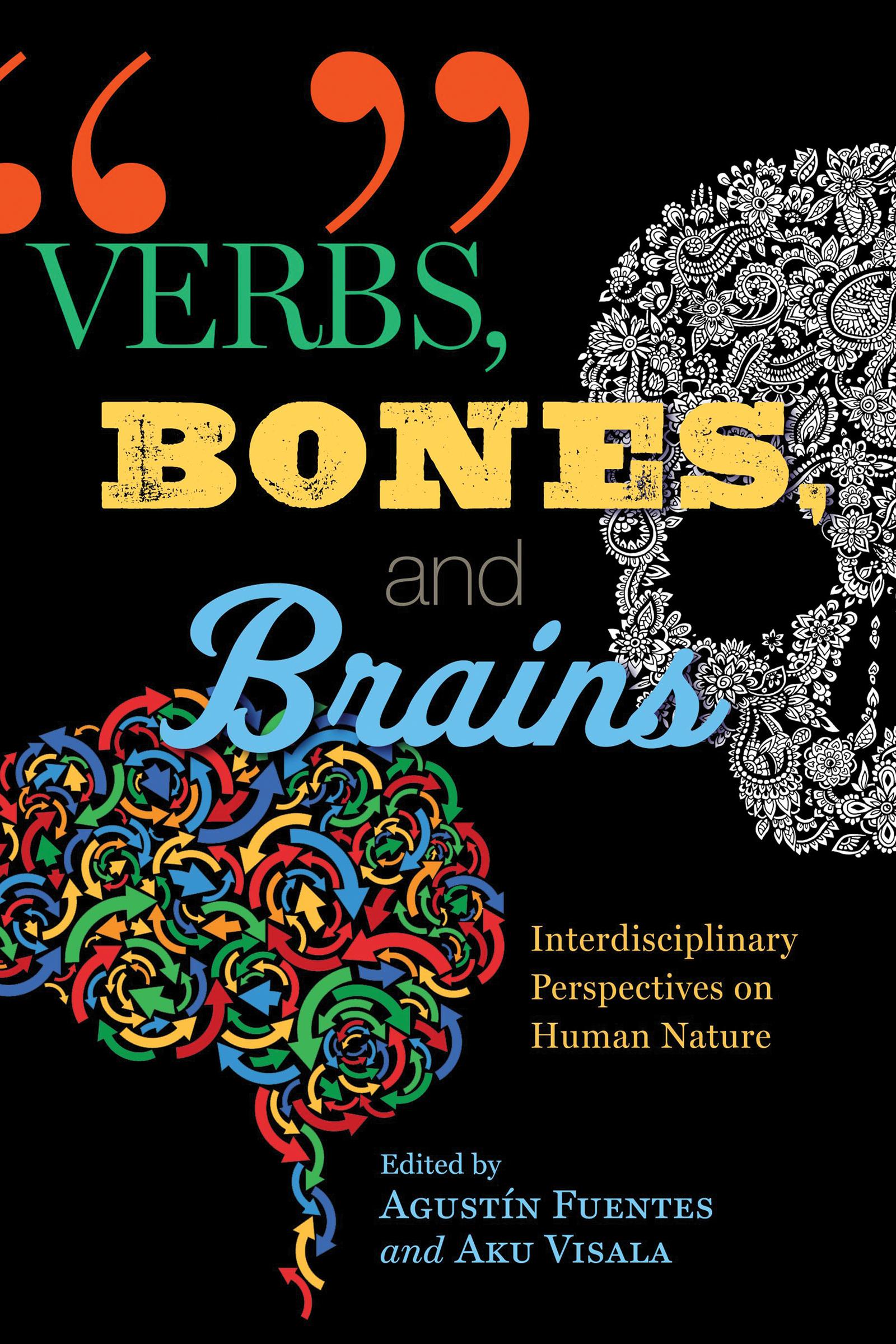
The last few decades have seen an unprecedented surge of empirical and philosophical research into the evolutionary history of Homo sapiens, the origins of the mind/brain, and human culture. This research and its popular interpretations have sparked heated debates about the nature of human beings and how knowledge about humans from the sciences and humanities should be properly understood. The goal of Verbs, Bones, and Brains: Interdisciplinary Perspectives on Human Nature is to engage these themes and present current debates, discussions, and discourse for a range of readers. The contributors bring the discussion to life with key experts outlining major concepts paired with cross-disciplinary commentaries in order to create a novel approach to thinking about, and with, human natures. The intent of the contributors to this volume is not to enter into or adjudicate complex philosophical issues of an epistemological or metaphysical nature. Instead, their common concern is to set aside the rigid distinctions between biology and culture that have made such discussions problematic. First, informing their approach is an acknowledgment of the widespread disagreement about such basic metaphysical and epistemological questions as the existence of God, the nature of scientific knowledge, and the existence of essences, among other topics. Second, they try to identify and explicate the assumptions that enter into their conceptualizations of human nature. Throughout, they emphasize the importance of seeking a convergence in our views on human nature, despite metaphysical disagreements. They caution that if convergence eludes us and a common ground cannot be found, this is itself a relevant result: it would reveal to us how deeply our questions about ourselves are connected to our basic metaphysical assumptions. Instead, their focus is on how the interdisciplinary and possibly transdisciplinary conversation can be enhanced in order to identify and develop a common ground on what constitutes human nature.
Before Memmo my notes were scattered across PDFs. Now a workspace pulls everything into one place — I see exactly what's still left to study.
Memmo's summaries are gold before exams. I don't have to re-read 800 pages two weeks before — just the important parts.
The AI chat has saved me the night before an exam more than once. I just keep asking until I get it — no waiting on a study group to reply.
The quizzes hit exactly what I need to know. Memmo tracks what I get stuck on — so I only practice what's worth it.
Flashcards with spaced repetition are magic. Memmo knows when I'm about to forget something and brings it back.
The AI podcasts are my favorite. I listen on my way to school and get a recap without sitting at a computer.

Handbok i kvalitativa metoder
281 kr

Hållbar utveckling: en introduktion för ingenjörer och andra problemlösare
334 kr

Brymans Samhällsvetenskapliga metoder
390 kr

Projektledning
491 kr

Den orättvisa hälsan: om socioekonomiska skillnader i hälsa och livslängd
326 kr

Vetenskapsteori för nybörjare
196 kr

Organizational Leadership
429 kr

På väg mot läraryrket
172 kr

Det sociala livet i skolan: Socialpsykologiska perspektiv
253 kr

Betygsättningens didaktik
151 kr

Personality
402 kr

Studying Leadership
404 kr

Managing Innovation
477 kr

Introduktion till samhällsvetenskaplig metod
347 kr

The Psychology of Sex and Gender
698 kr

Evidens och kunskap för socialt arbete
207 kr

Introduction to Leadership
605 kr