
Before Memmo my notes were scattered across PDFs. Now a workspace pulls everything into one place — I see exactly what's still left to study.
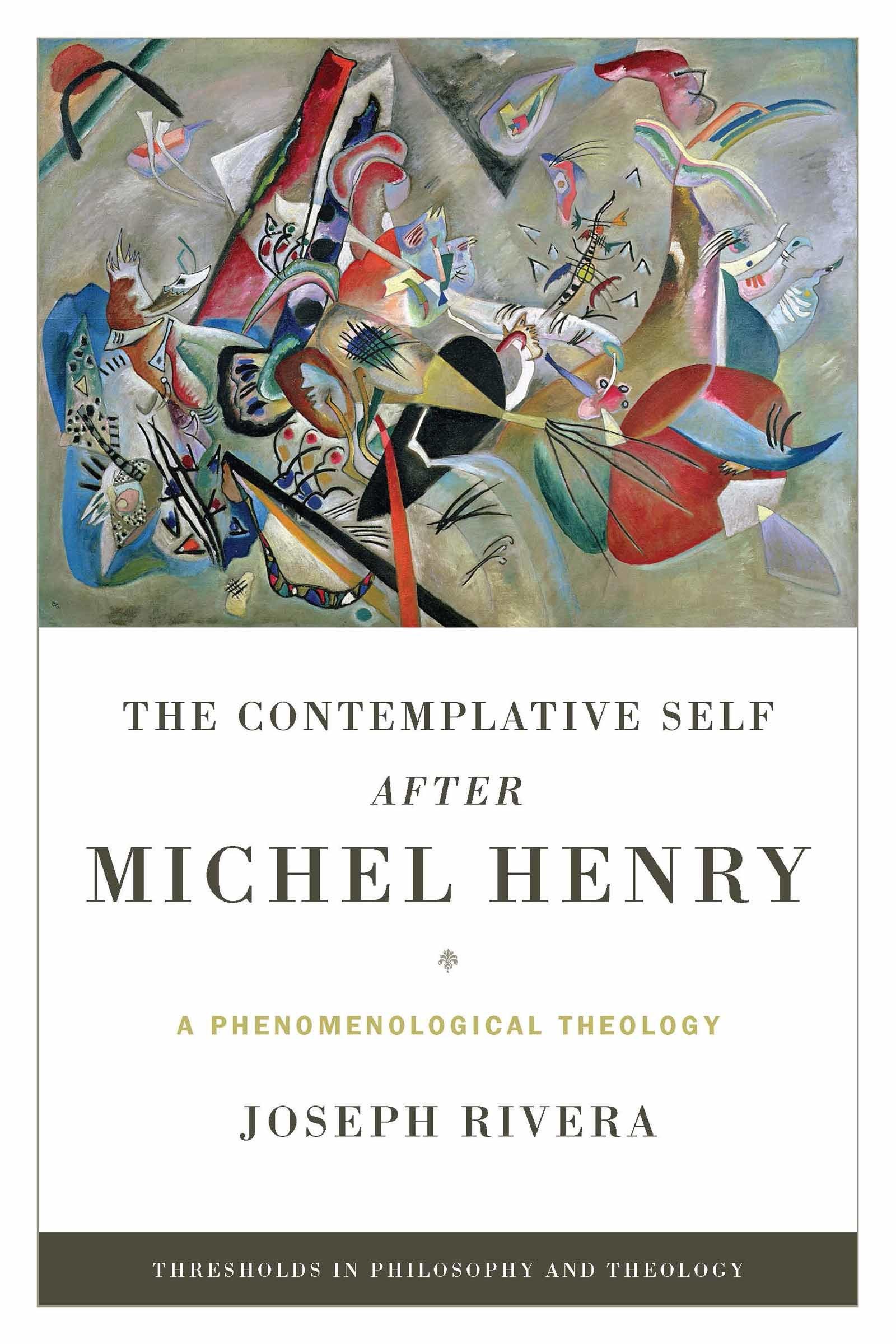
In The Contemplative Self after Michel Henry: A Phenomenological Theology, Joseph Rivera provides a close and critical reconstruction of the philosophical anthropology of Michel Henry (1922–2002) while also addressing the question of how theology contributes to Henry’s phenomenology. In conversation with other French figures such as Derrida, Marion, Lacoste, and Barbaras, Rivera undertakes a global thematic study of Henry’s work. He shows how, for Henry, the theological debate is shifted onto a phenomenological problem, with a coincident will to pursue the epistemological efforts of Husserl and Heidegger.
The chapters tackle some of the most pressing debates in contemporary Continental philosophy, such as the “modern ego,” the nature and experience of temporality, and the constitution of the body and otherness, and how a theological discourse may illumine those anthropological structures. The book expands on the modern narrative of the self from Descartes to Nietzsche, opens up the particular lines of inquiry Henry advances in dialogue with those figures and phenomenology in particular, and highlights the surprising theological turns in Henry’s late work on Christianity.
Because Henry’s work is difficult, it is often misunderstood; Rivera’s own vision of the self, one that is shaped by Henry but not in full agreement with him, advances insights internal to Henry but also brings into sharp focus many problematic points in Henry’s phenomenological theology. An array of classical theological voices appear in the final chapters, such as St. Augustine, Tertullian, Irenaeus, Pseudo-Dionysius, and Gregory of Nyssa, all of whom are set in dialogue with Henry. A fresh and creative articulation of contemplation and selfhood, the volume is a valuable addition to the continuing conversation that seeks to build bridges between phenomenology and theology.
Before Memmo my notes were scattered across PDFs. Now a workspace pulls everything into one place — I see exactly what's still left to study.
Memmo's summaries are gold before exams. I don't have to re-read 800 pages two weeks before — just the important parts.
The AI chat has saved me the night before an exam more than once. I just keep asking until I get it — no waiting on a study group to reply.
The quizzes hit exactly what I need to know. Memmo tracks what I get stuck on — so I only practice what's worth it.
Flashcards with spaced repetition are magic. Memmo knows when I'm about to forget something and brings it back.
The AI podcasts are my favorite. I listen on my way to school and get a recap without sitting at a computer.

Handbok i kvalitativa metoder
281 kr

Hållbar utveckling: en introduktion för ingenjörer och andra problemlösare
334 kr

Brymans Samhällsvetenskapliga metoder
390 kr

Projektledning
491 kr

Den orättvisa hälsan: om socioekonomiska skillnader i hälsa och livslängd
326 kr

Vetenskapsteori för nybörjare
196 kr

Organizational Leadership
429 kr

På väg mot läraryrket
172 kr

Det sociala livet i skolan: Socialpsykologiska perspektiv
253 kr

Betygsättningens didaktik
151 kr

Personality
402 kr

Studying Leadership
404 kr

Managing Innovation
477 kr

Introduktion till samhällsvetenskaplig metod
347 kr

The Psychology of Sex and Gender
698 kr

Evidens och kunskap för socialt arbete
207 kr

Introduction to Leadership
605 kr