
Before Memmo my notes were scattered across PDFs. Now a workspace pulls everything into one place — I see exactly what's still left to study.
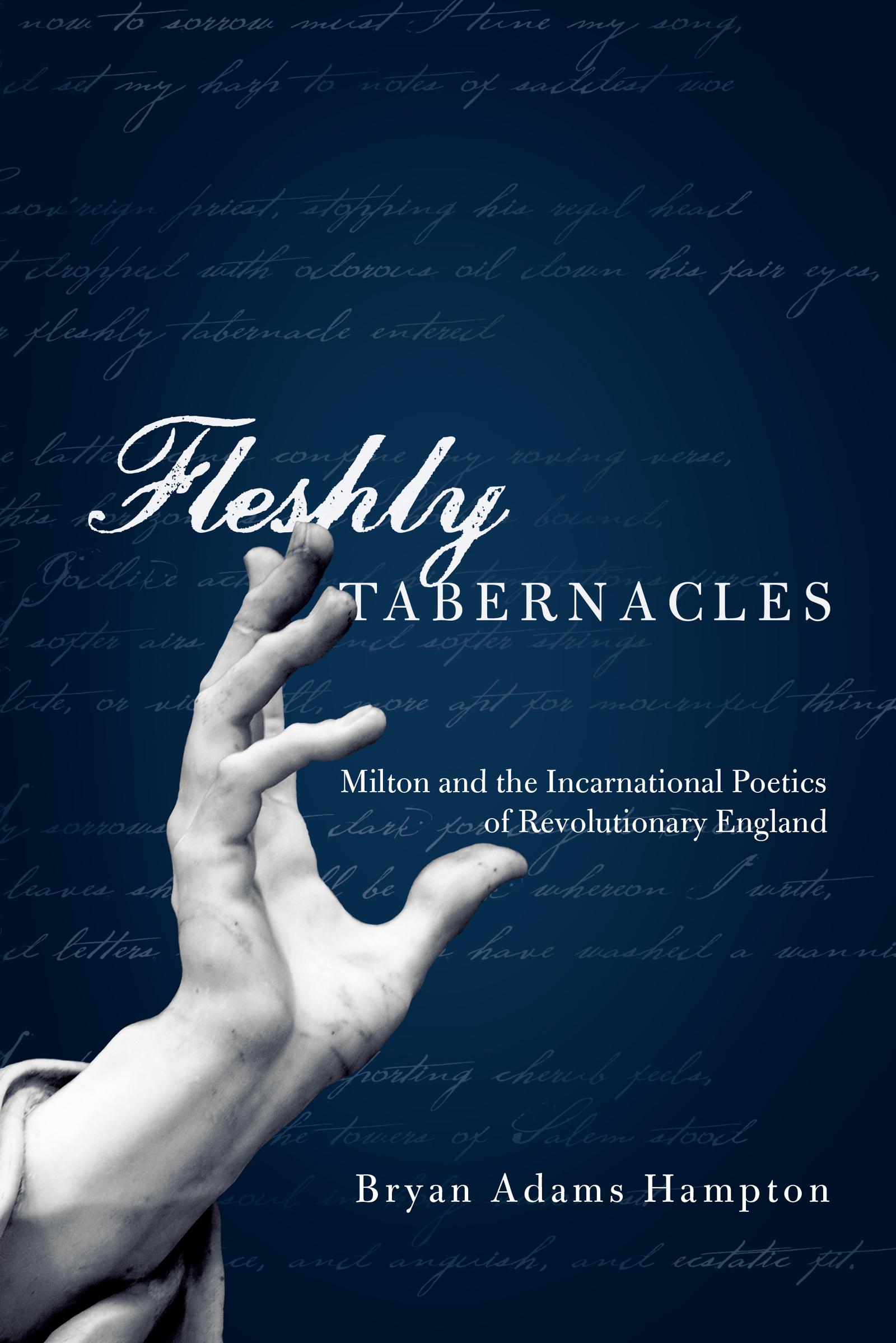
In Fleshly Tabernacles, Bryan Hampton examines John Milton’s imaginative engagement with, and theological passion for, the Incarnation. As aesthetic symbol, theological event, and narrative picture of humanity’s potential, the Incarnation profoundly governs the way Milton structures his 1645 Poems, ponders the holy office of the pulpit, reflects on the ends of speech and language, interprets sacred scripture or secular texts, and engages in the radical politics of the Civil War and Interregnum. Richly drawing upon the disciplines of historical and postmodern theology, philosophical hermeneutics, theological aesthetics, and literary theory, Fleshly Tabernacles pursues the wide-ranging implications of the heterodox, perfectionist strain in Milton’s Christology. Hampton illustrates how vibrant Christologies generated and shaped particular brands of anticlericalism, theories of reading and language, and political commitments of English nonconformist sects during the turbulent decades of the seventeenth century. Ranters and Seekers, Diggers and Quakers, Fifth monarchists and some Anabaptists—many of those identified with these radical groups proclaim that the Incarnation is primarily understood, not as a singular event of antiquity, but as a present eruption and charged manifestation within the life of the individual believer, such that faithful believers become “fleshly tabernacles” housing the Divine.
The perfectionist strain in Milton’s theology resonated in the works of the Independent preacher John Everard, the Digger Gerrard Winstanley, and the Quaker James Nayler. Fleshly Tabernacles intriguingly demonstrates how ideas of the incarnated Christ flourished in the world of revolutionary England, expressed in the notion that the regenerated human self could repair the ruins of church and state.
Before Memmo my notes were scattered across PDFs. Now a workspace pulls everything into one place — I see exactly what's still left to study.
Memmo's summaries are gold before exams. I don't have to re-read 800 pages two weeks before — just the important parts.
The AI chat has saved me the night before an exam more than once. I just keep asking until I get it — no waiting on a study group to reply.
The quizzes hit exactly what I need to know. Memmo tracks what I get stuck on — so I only practice what's worth it.
Flashcards with spaced repetition are magic. Memmo knows when I'm about to forget something and brings it back.
The AI podcasts are my favorite. I listen on my way to school and get a recap without sitting at a computer.

Handbok i kvalitativa metoder
281 kr

Hållbar utveckling: en introduktion för ingenjörer och andra problemlösare
334 kr

Brymans Samhällsvetenskapliga metoder
390 kr

Projektledning
491 kr

Den orättvisa hälsan: om socioekonomiska skillnader i hälsa och livslängd
326 kr

Organizational Leadership
429 kr

Vetenskapsteori för nybörjare
196 kr

På väg mot läraryrket
172 kr

Det sociala livet i skolan: Socialpsykologiska perspektiv
253 kr

Betygsättningens didaktik
151 kr

Personality
402 kr

Studying Leadership
404 kr

Managing Innovation
477 kr

Introduktion till samhällsvetenskaplig metod
347 kr

The Psychology of Sex and Gender
698 kr

Evidens och kunskap för socialt arbete
207 kr

Introduction to Leadership
605 kr