
Before Memmo my notes were scattered across PDFs. Now a workspace pulls everything into one place — I see exactly what's still left to study.
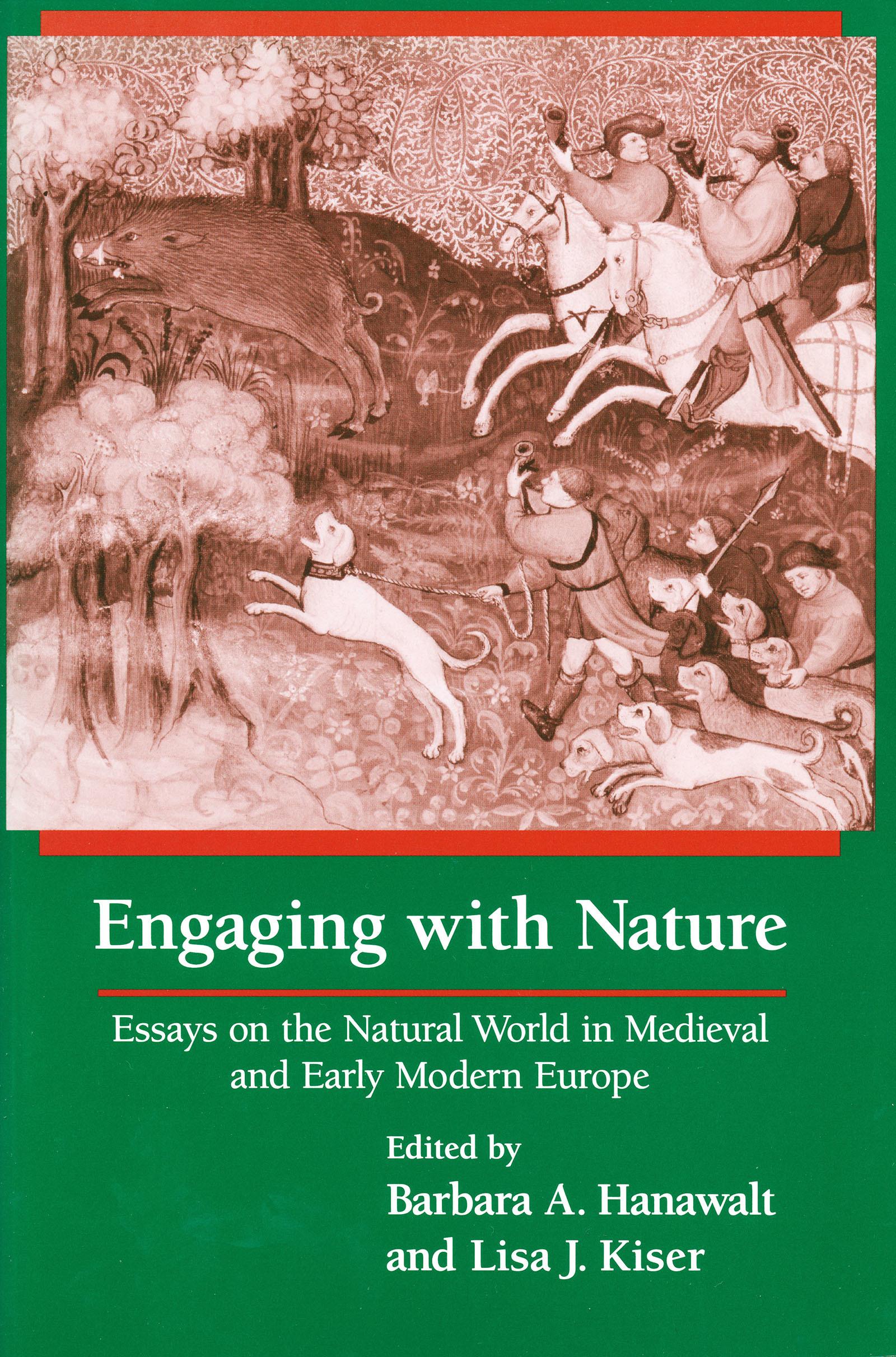
Historians and cultural critics face special challenges when treating the nonhuman natural world in the medieval and early modern periods. Their most daunting problem is that in both the visual and written records of the time, nature seems to be both everywhere and nowhere. In the broadest sense, nature was everywhere, for it was vital to human survival. Agriculture, animal husbandry, medicine, and the patterns of human settlement all have their basis in natural settings. Humans also marked personal, community, and seasonal events by natural occurrences and built their cultural explanations around the workings of nature, which formed the unspoken backdrop for every historical event and document of the time.
Yet in spite of the ubiquity of nature’s continual presence in the physical surroundings and the artistic and literary cultures of these periods, overt discussion of nature is often hard to find. Until the sixteenth century, responses to nature were quite often recorded only in the course of investigating other subjects. In a very real sense, nature went without saying.
As a result, modern scholars analyzing the concept of nature in the history of medieval and early modern Europe must often work in deeply interdisciplinary ways. This challenge is deftly handled by the contributors to Engaging with Nature, whose essays provide insights into such topics as concepts of animal/human relationships; environmental and ecological history; medieval hunting; early modern collections of natural objects; the relationship of religion and nature; the rise of science; and the artistic representations of exotic plants and animals produced by Europeans encountering the New World.
Before Memmo my notes were scattered across PDFs. Now a workspace pulls everything into one place — I see exactly what's still left to study.
Memmo's summaries are gold before exams. I don't have to re-read 800 pages two weeks before — just the important parts.
The AI chat has saved me the night before an exam more than once. I just keep asking until I get it — no waiting on a study group to reply.
The quizzes hit exactly what I need to know. Memmo tracks what I get stuck on — so I only practice what's worth it.
Flashcards with spaced repetition are magic. Memmo knows when I'm about to forget something and brings it back.
The AI podcasts are my favorite. I listen on my way to school and get a recap without sitting at a computer.

Handbok i kvalitativa metoder
281 kr

Hållbar utveckling: en introduktion för ingenjörer och andra problemlösare
334 kr

Brymans Samhällsvetenskapliga metoder
390 kr

Projektledning
491 kr

Den orättvisa hälsan: om socioekonomiska skillnader i hälsa och livslängd
326 kr

Vetenskapsteori för nybörjare
196 kr

Organizational Leadership
429 kr

På väg mot läraryrket
172 kr

Det sociala livet i skolan: Socialpsykologiska perspektiv
253 kr

Betygsättningens didaktik
151 kr

Personality
402 kr

Studying Leadership
404 kr

Managing Innovation
477 kr

Introduktion till samhällsvetenskaplig metod
347 kr

The Psychology of Sex and Gender
698 kr

Evidens och kunskap för socialt arbete
207 kr

Introduction to Leadership
605 kr