
Before Memmo my notes were scattered across PDFs. Now a workspace pulls everything into one place — I see exactly what's still left to study.
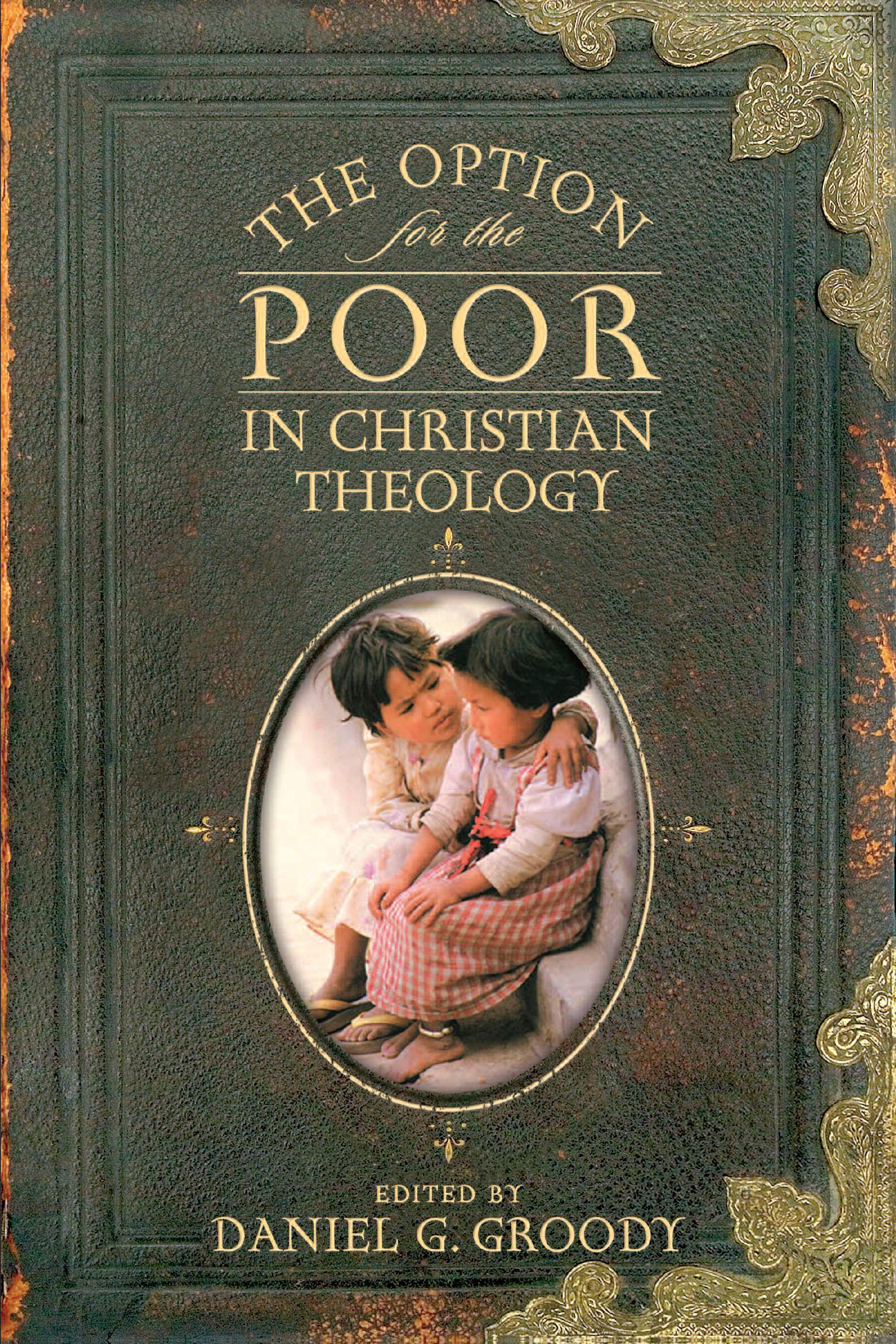
Since the publication of Gustavo Gutiérrez's 1973 groundbreaking work, A Theology of Liberation, much has been written on liberation theology and its central premise of the preferential option for the poor. Arguably, this has been one of the most important yet controversial theological themes of the twentieth century. As globalization creates greater gaps between the rich and the poor, and as the situation for many of the world’s poor worsens, there is an ever greater need to understand the gift and challenge of Christian faith from the context of the poor and marginalized of our society. This volume draws on the thought of leading international scholars and explores how the Christian tradition can help us understand the theological foundations for the option for the poor. The central focus of the book revolves around the question, How can one live a Christian life in a world of destitution? The contributors are concerned not only with a social, economic, or political understanding of poverty but above all with the option for the poor as a theological concept.
While these essays are rooted in a solid grounding of our present “reality,” they look to the past to understand some of the central truths of Christian faith and to the future as a source of Christian hope. Following Gustavo Gutiérrez's essay on the multidimensionality of poverty, Elsa Tamez, Hugh Page, Jr., Brian Daley, and Jon Sobrino identify a central theological premise: poverty is contrary to the will of God. Drawing on scripture, the writings of the early fathers, the witness of Christian martyrs, and contemporary theological reflection, they argue that poverty represents the greatest challenge to Christian faith and discipleship. David Tracy and J. Matthew Ashley carry their reflection forward by examining the option for the poor in light of apocalyptic thought. Virgilio Elizondo, Patrick Kalilombe, María Pilar Aquino, M. Shawn Copeland, and Mary Catherine Hilkert examine the challenges of poverty with respect to culture, Africa, race, and gender. Casiano Floristán and Luis Maldonado explore the relationship between poverty, sacramentality, and popular religiosity. The final two essays by Aloysius Pieris and Michael Signer consider the option for the poor in relationship to other major world religions, particularly an Asian theology of religions and the meaning of care for the poor within Judaism.
Before Memmo my notes were scattered across PDFs. Now a workspace pulls everything into one place — I see exactly what's still left to study.
Memmo's summaries are gold before exams. I don't have to re-read 800 pages two weeks before — just the important parts.
The AI chat has saved me the night before an exam more than once. I just keep asking until I get it — no waiting on a study group to reply.
The quizzes hit exactly what I need to know. Memmo tracks what I get stuck on — so I only practice what's worth it.
Flashcards with spaced repetition are magic. Memmo knows when I'm about to forget something and brings it back.
The AI podcasts are my favorite. I listen on my way to school and get a recap without sitting at a computer.

Handbok i kvalitativa metoder
281 kr

Hållbar utveckling: en introduktion för ingenjörer och andra problemlösare
334 kr

Brymans Samhällsvetenskapliga metoder
390 kr

Projektledning
491 kr

Den orättvisa hälsan: om socioekonomiska skillnader i hälsa och livslängd
326 kr

Vetenskapsteori för nybörjare
196 kr

Organizational Leadership
429 kr

På väg mot läraryrket
172 kr

Det sociala livet i skolan: Socialpsykologiska perspektiv
253 kr

Betygsättningens didaktik
151 kr

Personality
402 kr

Studying Leadership
404 kr

Managing Innovation
477 kr

Introduktion till samhällsvetenskaplig metod
347 kr

The Psychology of Sex and Gender
698 kr

Evidens och kunskap för socialt arbete
207 kr

Introduction to Leadership
605 kr