
Before Memmo my notes were scattered across PDFs. Now a workspace pulls everything into one place — I see exactly what's still left to study.
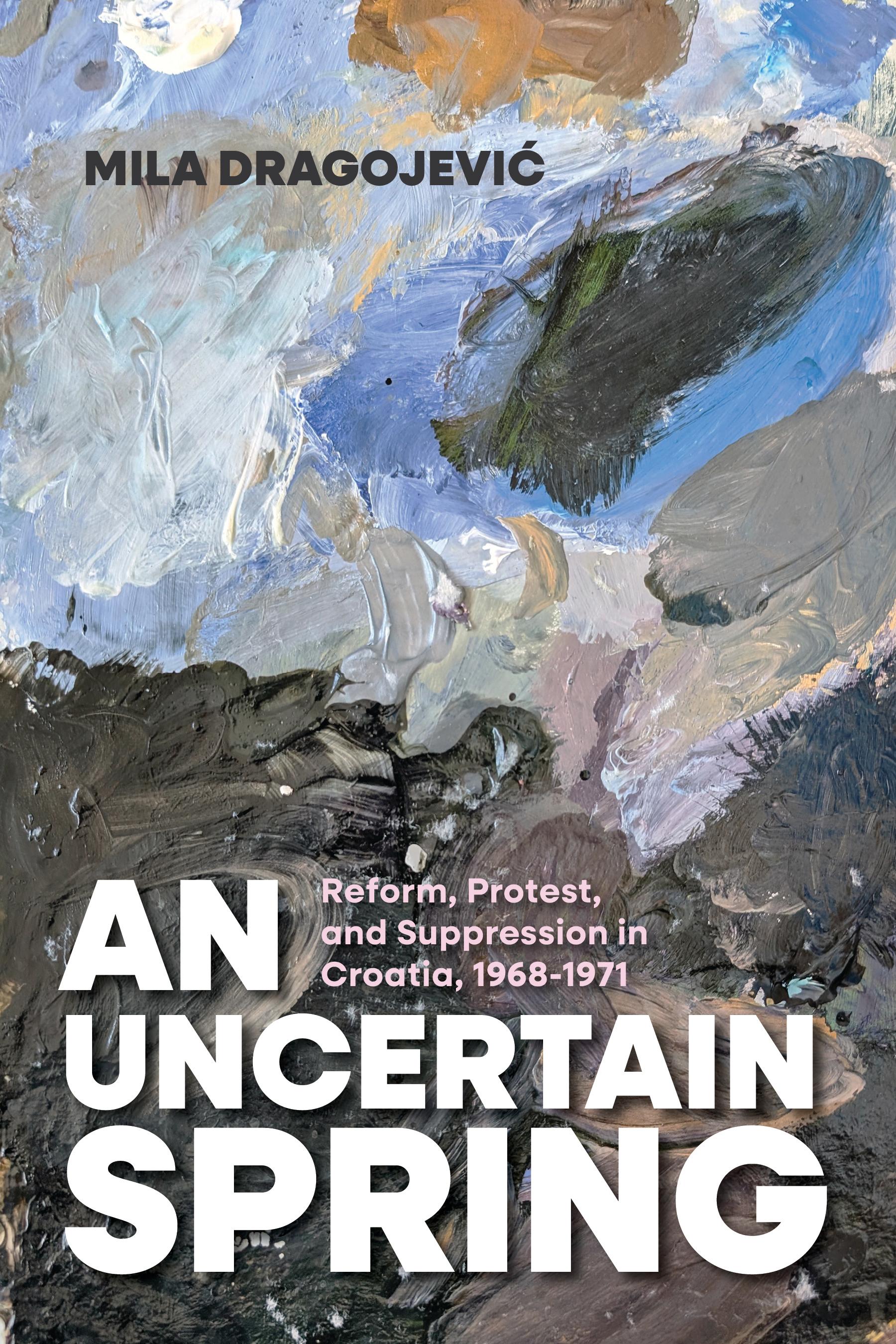
The mass movement known as the Croatian Spring began with the Socialist Republic of Croatia's ruling Communist party, led by a new generation of party leaders who sought greater economic and political autonomy from Yugoslavia's federal government. It quickly grew outside of the party, particularly among students and intellectuals, and led to a strike in Zagreb in late 1971. Despite his initial support for the party's reforms, Yugoslav President Josip Broz Tito ultimately sided with its more conservative factions to suppress the movement.
An Uncertain Spring draws on extensive primary source materials, including interviews, memoirs, and archival documents, to examine this mass movement and the domestic factors that made it possible. Author Mila Dragojević argues that, far from homogenous, the Croatian Spring consisted of several different interest groups not only within the Communist party but also within Croatian society. While reformist leaders were committed to the inclusion of different perspectives, transparency, and crucial changes to modernize the obsolete system, their discussions of Croatian national identity stoked fears of marginalization among ethnic Serbs and other minorities, and their insistence on stopping the strike and the use of political jargon, among other differences in approaches to reforms, distanced them from the student-led activists. By mobilizing the support of Croatia's Serbian population as well as the Yugoslav federal government, the party's conservatives removed their reformist opponents from power and maintained political order, but they also lost political legitimacy among the general populace.
Offering many valuable lessons to students and scholars of democratization and nationalism, An Uncertain Spring invites readers to consider the roles that political leaders in culturally diverse societies can and should play during major economic and political reforms.
Before Memmo my notes were scattered across PDFs. Now a workspace pulls everything into one place — I see exactly what's still left to study.
Memmo's summaries are gold before exams. I don't have to re-read 800 pages two weeks before — just the important parts.
The AI chat has saved me the night before an exam more than once. I just keep asking until I get it — no waiting on a study group to reply.
The quizzes hit exactly what I need to know. Memmo tracks what I get stuck on — so I only practice what's worth it.
Flashcards with spaced repetition are magic. Memmo knows when I'm about to forget something and brings it back.
The AI podcasts are my favorite. I listen on my way to school and get a recap without sitting at a computer.

Handbok i kvalitativa metoder
281 kr

Hållbar utveckling: en introduktion för ingenjörer och andra problemlösare
334 kr

Brymans Samhällsvetenskapliga metoder
390 kr

Projektledning
491 kr

Den orättvisa hälsan: om socioekonomiska skillnader i hälsa och livslängd
326 kr

Organizational Leadership
429 kr

Vetenskapsteori för nybörjare
196 kr

På väg mot läraryrket
172 kr

Det sociala livet i skolan: Socialpsykologiska perspektiv
253 kr

Betygsättningens didaktik
151 kr

Personality
402 kr

Studying Leadership
404 kr

Managing Innovation
477 kr

Introduktion till samhällsvetenskaplig metod
347 kr

The Psychology of Sex and Gender
698 kr

Evidens och kunskap för socialt arbete
207 kr

Introduction to Leadership
605 kr