
Before Memmo my notes were scattered across PDFs. Now a workspace pulls everything into one place — I see exactly what's still left to study.
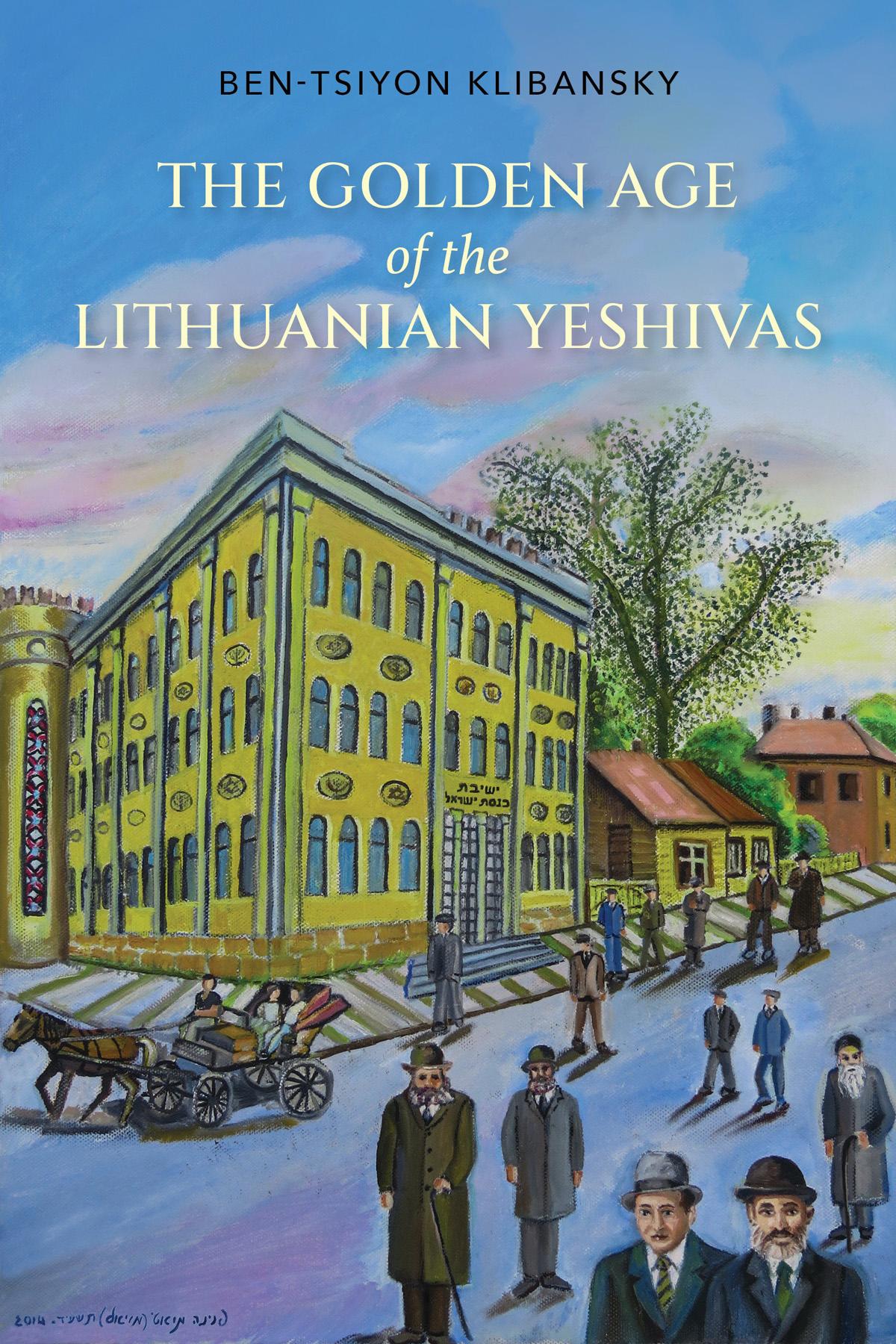
The Golden Age of the Lithuanian Yeshivas tells the story of the last chapter of Jewish rabbinical schools in Eastern Europe, from the eve of World War I to the outbreak of World War II.
The Lithuanian yeshiva established a rigorous standard for religious education in the early 1800s that persisted for over a century and continues to this day. Although dramatically reduced and forced into exile in Russia and Ukraine during World War I, the yeshivas survived the war, with yeshiva heads and older students forming the nucleus of the institutions. These scholars rehabilitated the yeshivas in their original locations and quickly returned to their regular activities. Moreover, they soon began to expand into areas now empty of yeshivas in lands occupied by Hasidic populations in Poland and even into the lands that would soon become Israel.
During the economic depression of the 1930s, students struggled for food and their leaders journeyed abroad in search for funding, but their determination and commitment to the yeshiva system continued. Despite the material difficulties that prevailed in the yeshivas, there was consistently a full occupancy of students, most of them in their twenties. Young men from all over the free world joined these yeshivas, which were considered the best training programs for the religious professions and rabbinical ordination. The outbreak of World War II and the Soviet occupation of first eastern Poland and then Lithuania marked the beginning of the end of the Yeshivas, however, and the Holocaust ensured the final destruction of the venerable institution.
The Golden Age of the Lithuanian Yeshivas is the first book-length work on the modern history of the Lithuanian yeshivas published in English. Through exhaustive historical research of every yeshiva, Ben-Tsiyon Klibansky brings to light for the first time the stories, lives, and inner workings of this long-lost world.
Before Memmo my notes were scattered across PDFs. Now a workspace pulls everything into one place — I see exactly what's still left to study.
Memmo's summaries are gold before exams. I don't have to re-read 800 pages two weeks before — just the important parts.
The AI chat has saved me the night before an exam more than once. I just keep asking until I get it — no waiting on a study group to reply.
The quizzes hit exactly what I need to know. Memmo tracks what I get stuck on — so I only practice what's worth it.
Flashcards with spaced repetition are magic. Memmo knows when I'm about to forget something and brings it back.
The AI podcasts are my favorite. I listen on my way to school and get a recap without sitting at a computer.

Handbok i kvalitativa metoder
281 kr

Hållbar utveckling: en introduktion för ingenjörer och andra problemlösare
334 kr

Brymans Samhällsvetenskapliga metoder
390 kr

Projektledning
491 kr

Den orättvisa hälsan: om socioekonomiska skillnader i hälsa och livslängd
326 kr

Vetenskapsteori för nybörjare
196 kr

Organizational Leadership
429 kr

På väg mot läraryrket
172 kr

Det sociala livet i skolan: Socialpsykologiska perspektiv
253 kr

Betygsättningens didaktik
151 kr

Personality
402 kr

Studying Leadership
404 kr

Managing Innovation
477 kr

Introduktion till samhällsvetenskaplig metod
347 kr

The Psychology of Sex and Gender
698 kr

Evidens och kunskap för socialt arbete
207 kr

Introduction to Leadership
605 kr