
Before Memmo my notes were scattered across PDFs. Now a workspace pulls everything into one place — I see exactly what's still left to study.
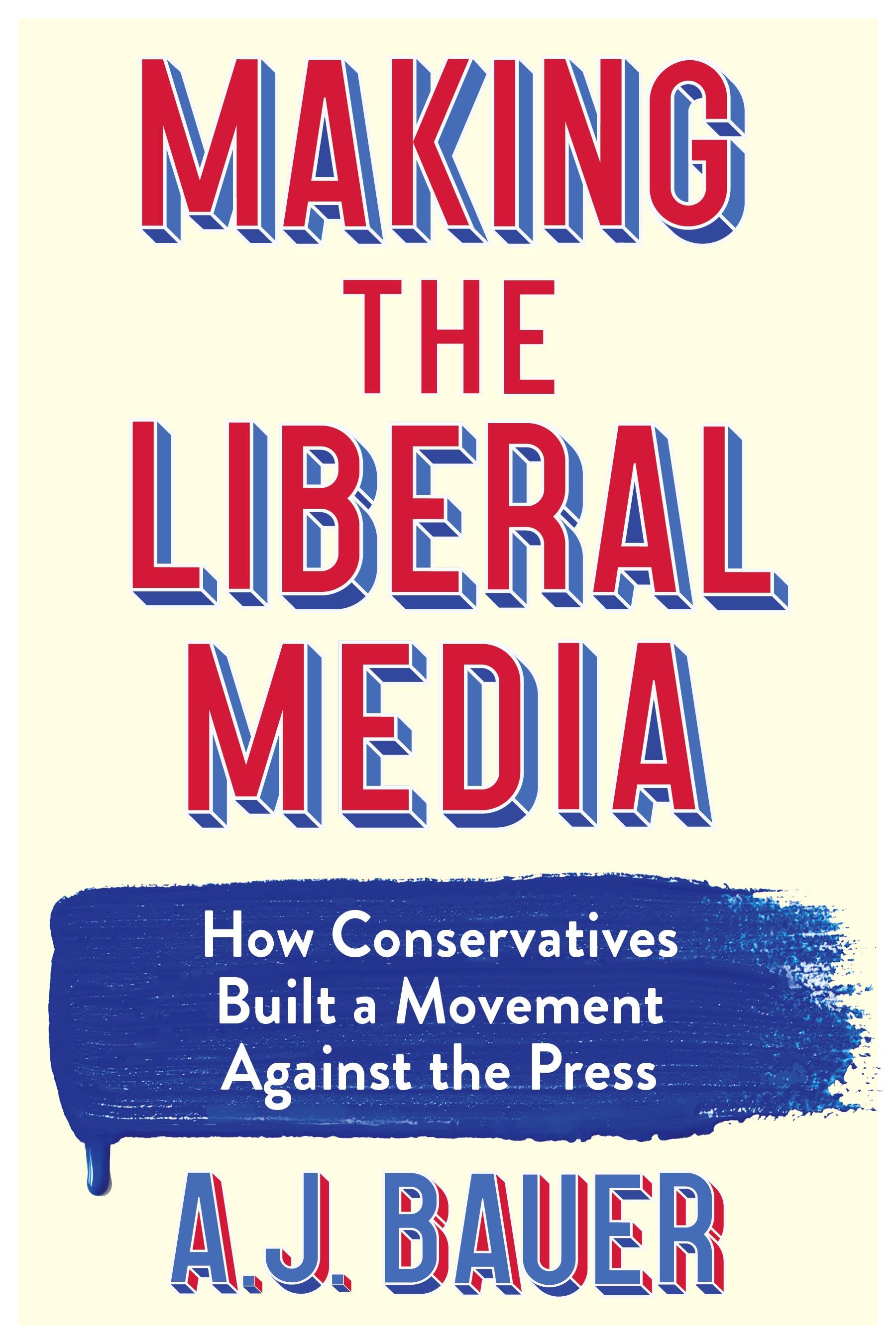
Conservatives have disagreed about many things, but they have long been united by the belief that the mainstream—or “liberal”—media is biased against them. Why did conflict with the press become so central to conservative identity, and how has antipathy toward the media shaped the modern conservative movement? A. J. Bauer traces how decades of right-wing criticism of the “liberal media” reshaped US news culture and came to define conservative politics.
In the 1940s, progressives saw the newspaper industry as a reactionary bastion and supported regulations such as the Fairness Doctrine to ensure a wider range of viewpoints over the airwaves. Anticommunist campaigners soon borrowed tactics from their foes, adapting claims of structural media bias and fostering skepticism toward mainstream outlets. Bauer tracks the conservative turn to media activism, demonstrating how allegations of bias bridged the gap between relatively mainstream figures such as William F. Buckley and more extreme groups like the John Birch Society. Bauer considers key moments from Texas oilman H. L. Hunt’s bankrolling of the supposedly nonpartisan Facts Forum in the 1950s to Spiro Agnew’s tirades against the media elite and the rise of watchdog groups such as Accuracy in Media in the 1970s. By cultivating grassroots hostility toward the press, conservatives built an audience base for the right-wing media sector that emerged after the Reagan administration lifted the Fairness Doctrine. From Rush Limbaugh to Fox News to today’s right-wing podcasts and influencers, this book shows why conservative media ultimately eclipsed the movement that enabled it. In recounting the long history of conflict between conservatives and the press, Bauer offers a compelling new origin story for today’s polarized media environment.
Before Memmo my notes were scattered across PDFs. Now a workspace pulls everything into one place — I see exactly what's still left to study.
Memmo's summaries are gold before exams. I don't have to re-read 800 pages two weeks before — just the important parts.
The AI chat has saved me the night before an exam more than once. I just keep asking until I get it — no waiting on a study group to reply.
The quizzes hit exactly what I need to know. Memmo tracks what I get stuck on — so I only practice what's worth it.
Flashcards with spaced repetition are magic. Memmo knows when I'm about to forget something and brings it back.
The AI podcasts are my favorite. I listen on my way to school and get a recap without sitting at a computer.

Handbok i kvalitativa metoder
281 kr

Hållbar utveckling: en introduktion för ingenjörer och andra problemlösare
334 kr

Brymans Samhällsvetenskapliga metoder
390 kr

Projektledning
491 kr

Den orättvisa hälsan: om socioekonomiska skillnader i hälsa och livslängd
326 kr

Vetenskapsteori för nybörjare
196 kr

Organizational Leadership
429 kr

På väg mot läraryrket
172 kr

Det sociala livet i skolan: Socialpsykologiska perspektiv
253 kr

Betygsättningens didaktik
151 kr

Personality
402 kr

Studying Leadership
404 kr

Managing Innovation
477 kr

Introduktion till samhällsvetenskaplig metod
347 kr

The Psychology of Sex and Gender
698 kr

Evidens och kunskap för socialt arbete
207 kr

Introduction to Leadership
605 kr