
Before Memmo my notes were scattered across PDFs. Now a workspace pulls everything into one place — I see exactly what's still left to study.
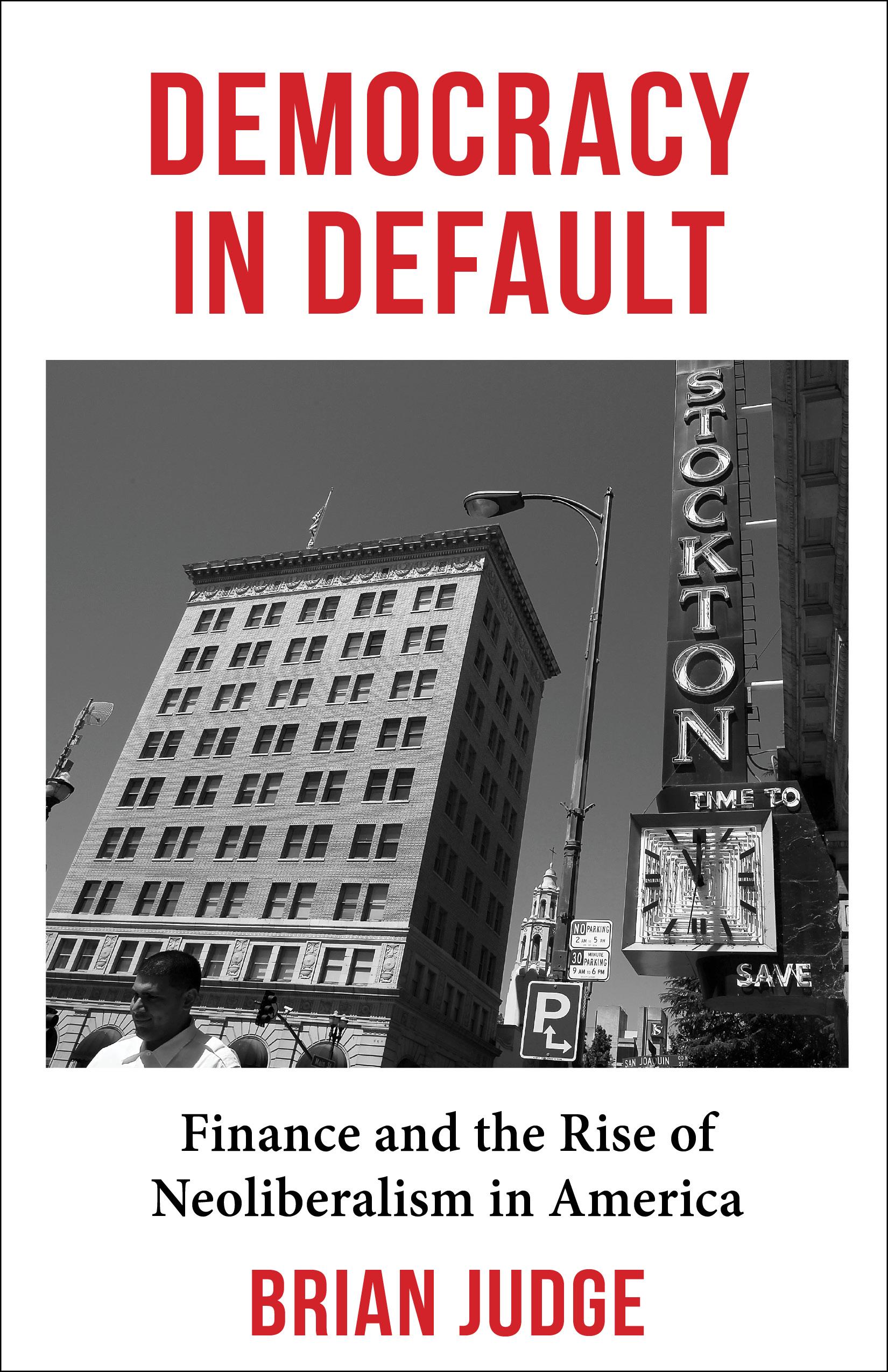
How did neoliberalism arise? Faced with the crises of the 1970s, a coalition of neoliberal intellectuals, conservative politicians, and business interests carried out a vast project of walling off the economy from democracy, ensuring the dominance of finance—or so the conventional story goes. Democracy in Default offers a new perspective on the birth of neoliberalism, showing that this common narrative confuses cause and effect. Financialization was not the offspring of deregulation but the mechanism that allowed neoliberalism to take root.
Brian Judge argues that financialization was a nearly spontaneous response to a crisis within liberalism. He examines how liberalism disavows the problem of distributive conflict, leaving it vulnerable when those conflicts erupt. When the postwar growth engine began to slow, finance promised a way out of the resulting political impasse, allowing liberal democracies to depoliticize questions of distribution and sustain the existing social and economic order. Elected officials were not simply captured or co-opted but willingly embraced financial solutions to their political problems. Unleashing the financial imperative to generate monetary returns, however, ushered in an all-encompassing transformation. Vivid case studies—the bankruptcy of Stockton, California; the investment strategy of the California Public Employees’ Retirement System; and the 2008 financial crisis—illustrate how the priorities of financial markets radically altered liberal democratic governance. Recasting the political and economic transformations of the past half century, Democracy in Default offers a bracing new account of the relationship between neoliberalism and financialization.
Before Memmo my notes were scattered across PDFs. Now a workspace pulls everything into one place — I see exactly what's still left to study.
Memmo's summaries are gold before exams. I don't have to re-read 800 pages two weeks before — just the important parts.
The AI chat has saved me the night before an exam more than once. I just keep asking until I get it — no waiting on a study group to reply.
The quizzes hit exactly what I need to know. Memmo tracks what I get stuck on — so I only practice what's worth it.
Flashcards with spaced repetition are magic. Memmo knows when I'm about to forget something and brings it back.
The AI podcasts are my favorite. I listen on my way to school and get a recap without sitting at a computer.

Handbok i kvalitativa metoder
281 kr

Hållbar utveckling: en introduktion för ingenjörer och andra problemlösare
334 kr

Brymans Samhällsvetenskapliga metoder
390 kr

Projektledning
491 kr

Den orättvisa hälsan: om socioekonomiska skillnader i hälsa och livslängd
326 kr

Organizational Leadership
429 kr

Vetenskapsteori för nybörjare
196 kr

På väg mot läraryrket
172 kr

Det sociala livet i skolan: Socialpsykologiska perspektiv
253 kr

Betygsättningens didaktik
151 kr

Personality
402 kr

Studying Leadership
404 kr

Managing Innovation
477 kr

Introduktion till samhällsvetenskaplig metod
347 kr

The Psychology of Sex and Gender
698 kr

Evidens och kunskap för socialt arbete
207 kr

Introduction to Leadership
605 kr