
Before Memmo my notes were scattered across PDFs. Now a workspace pulls everything into one place — I see exactly what's still left to study.
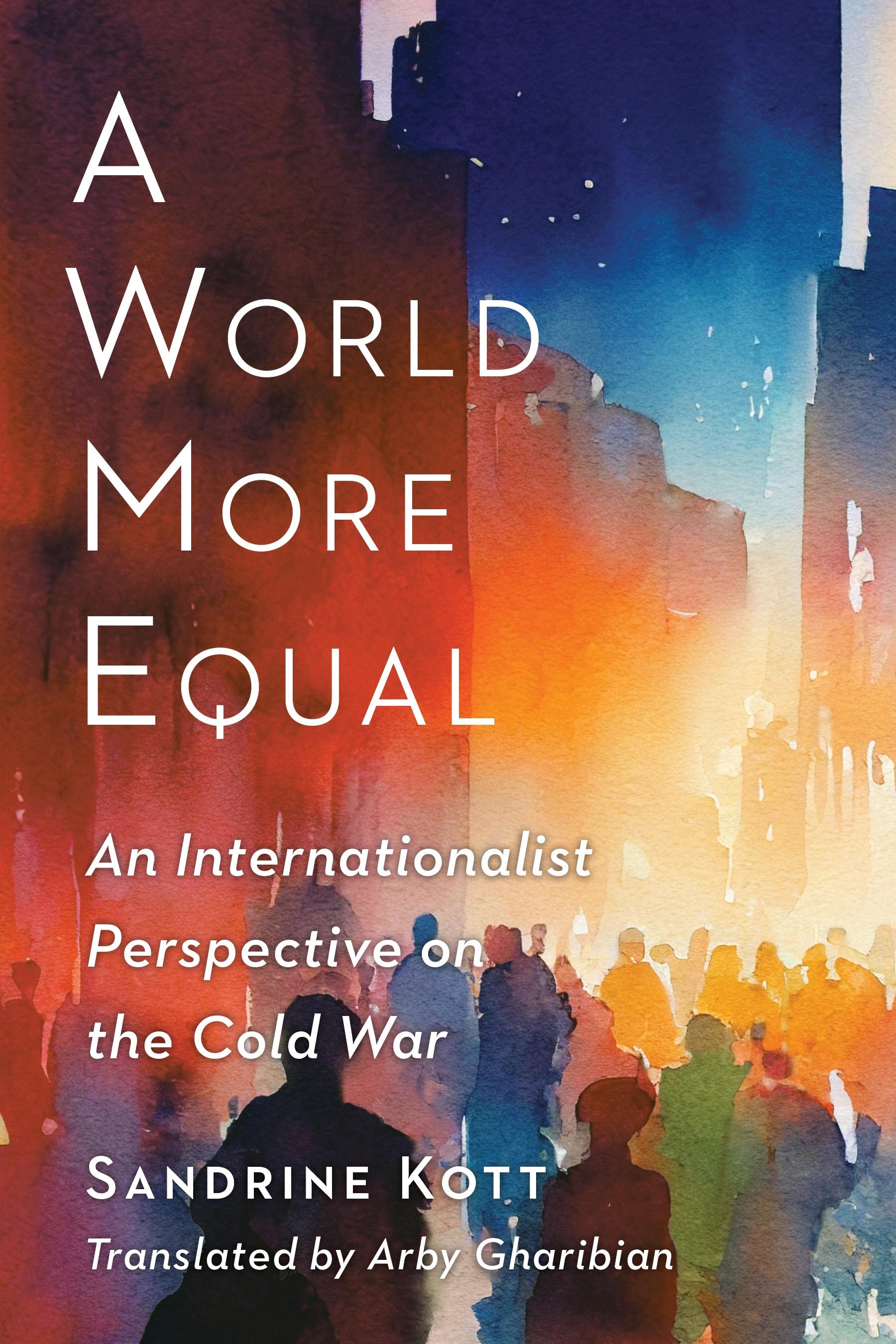
The post–World War II period is typically seen as a time of stark division, an epochal global conflict between the United States and the Soviet Union. But beneath the surface, the postwar era witnessed a striking degree of international cooperation. The United Nations and its agencies, as well as regional organizations, international nongovernmental organizations, and private foundations brought together actors from conflicting worlds, fostering international collaboration across the geopolitical and ideological divisions of the Cold War.
Diving into the archives of these organizations and associations, Sandrine Kott provides a new account of the Cold War that foregrounds the rise of internationalism as both an ideology and a practice. She examines cooperation across boundaries in international spaces, emphasizing the role of midsized powers, including Eastern European and neutral countries. Kott highlights how the need to address global inequities became a central concern, as officials and experts argued that economic inequality imperiled the creation of a lasting peace. International organizations gave newly decolonized and “Third World” countries a platform to challenge the global distribution of power and wealth, and they encouraged transnational cooperation in causes such as human rights and women’s rights. Assessing the failure to achieve a new international economic order in the 1970s, Kott adds new perspective on the rise of neoliberalism. A truly global study of the Cold War through the lens of international organizations, A World More Equal also shows why the internationalism of this era offers resources for addressing social and global inequalities today.
Before Memmo my notes were scattered across PDFs. Now a workspace pulls everything into one place — I see exactly what's still left to study.
Memmo's summaries are gold before exams. I don't have to re-read 800 pages two weeks before — just the important parts.
The AI chat has saved me the night before an exam more than once. I just keep asking until I get it — no waiting on a study group to reply.
The quizzes hit exactly what I need to know. Memmo tracks what I get stuck on — so I only practice what's worth it.
Flashcards with spaced repetition are magic. Memmo knows when I'm about to forget something and brings it back.
The AI podcasts are my favorite. I listen on my way to school and get a recap without sitting at a computer.

Handbok i kvalitativa metoder
281 kr

Hållbar utveckling: en introduktion för ingenjörer och andra problemlösare
334 kr

Brymans Samhällsvetenskapliga metoder
390 kr

Projektledning
491 kr

Den orättvisa hälsan: om socioekonomiska skillnader i hälsa och livslängd
326 kr

Organizational Leadership
429 kr

Vetenskapsteori för nybörjare
196 kr

På väg mot läraryrket
172 kr

Det sociala livet i skolan: Socialpsykologiska perspektiv
253 kr

Betygsättningens didaktik
151 kr

Personality
402 kr

Studying Leadership
404 kr

Managing Innovation
477 kr

Introduktion till samhällsvetenskaplig metod
347 kr

The Psychology of Sex and Gender
698 kr

Evidens och kunskap för socialt arbete
207 kr

Introduction to Leadership
605 kr