
Before Memmo my notes were scattered across PDFs. Now a workspace pulls everything into one place — I see exactly what's still left to study.
Winner, 2023 Toshihide Numata Book Award, Numata Center for Buddhist Studies at the University of California, Berkeley
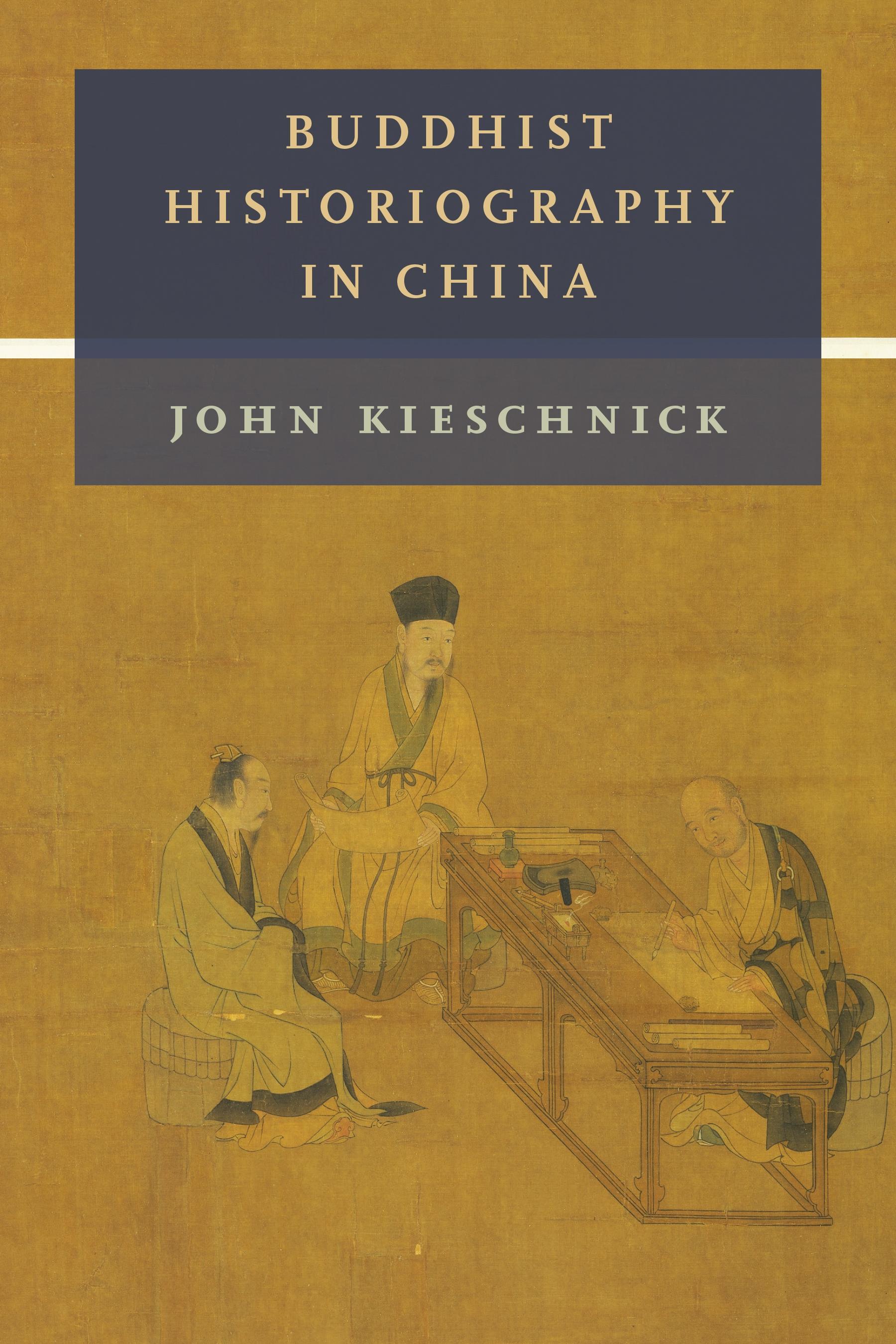
Since the early days of Buddhism in China, monastics and laity alike have expressed a profound concern with the past. In voluminous historical works, they attempted to determine as precisely as possible the dates of events in the Buddha’s life, seeking to iron out discrepancies in varying accounts and pinpoint when he delivered which sermons. Buddhist writers chronicled the history of the Dharma in China as well, compiling biographies of eminent monks and nuns and detailing the rise and decline in the religion’s fortunes under various rulers. They searched for evidence of karma in the historical record and drew on prophecy to explain the past.
John Kieschnick provides an innovative, expansive account of how Chinese Buddhists have sought to understand their history through a Buddhist lens. Exploring a series of themes in mainstream Buddhist historiographical works from the fifth to the twentieth century, he looks not so much for what they reveal about the people and events they describe as for what they tell us about their compilers’ understanding of history. Kieschnick examines how Buddhist doctrines influenced the search for the underlying principles driving history, the significance of genealogy in Buddhist writing, and the transformation of Buddhist historiography in the twentieth century. This book casts new light on the intellectual history of Chinese Buddhism and on Buddhists’ understanding of the past.
Before Memmo my notes were scattered across PDFs. Now a workspace pulls everything into one place — I see exactly what's still left to study.
Memmo's summaries are gold before exams. I don't have to re-read 800 pages two weeks before — just the important parts.
The AI chat has saved me the night before an exam more than once. I just keep asking until I get it — no waiting on a study group to reply.
The quizzes hit exactly what I need to know. Memmo tracks what I get stuck on — so I only practice what's worth it.
Flashcards with spaced repetition are magic. Memmo knows when I'm about to forget something and brings it back.
The AI podcasts are my favorite. I listen on my way to school and get a recap without sitting at a computer.

Handbok i kvalitativa metoder
281 kr

Hållbar utveckling: en introduktion för ingenjörer och andra problemlösare
334 kr

Brymans Samhällsvetenskapliga metoder
390 kr

Projektledning
491 kr

Den orättvisa hälsan: om socioekonomiska skillnader i hälsa och livslängd
326 kr

Organizational Leadership
429 kr

Vetenskapsteori för nybörjare
196 kr

På väg mot läraryrket
172 kr

Det sociala livet i skolan: Socialpsykologiska perspektiv
253 kr

Betygsättningens didaktik
151 kr

Personality
402 kr

Studying Leadership
404 kr

Managing Innovation
477 kr

Introduktion till samhällsvetenskaplig metod
347 kr

The Psychology of Sex and Gender
698 kr

Evidens och kunskap för socialt arbete
207 kr

Introduction to Leadership
605 kr