
Before Memmo my notes were scattered across PDFs. Now a workspace pulls everything into one place — I see exactly what's still left to study.
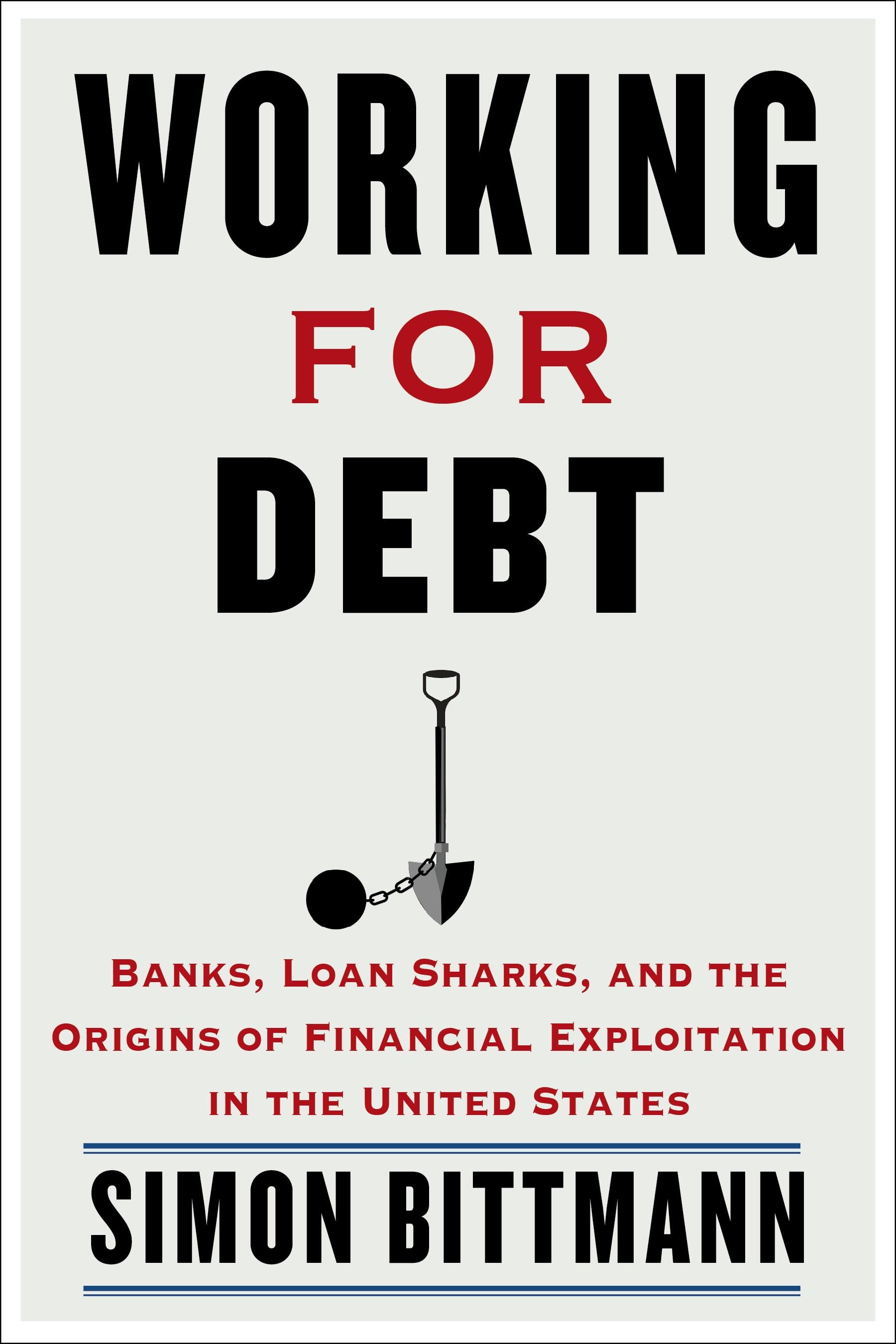
In the early twentieth century, wage loans became a major source of cash for workers all over the United States. From Black washerwomen to white foremen, Illinois roomers to Georgia railroad men, workers turned to labor income as collateral for borrowing capital. Networks of companies started profiting from payday and property advances, exposing debtors to the grim prospects of garnishments of their wages and possessions in order to mitigate the risk of default. Progressive and later New Deal reformers sought to eradicate these practices, denouncing “loan sharks” and “financial slavery” as major threats to a new credit democracy. They proposed fair credit as a universal solution to move past industrial poverty and boost consumer freedom—but in doing so, reformers, lenders, and bankers limited credit access to the white middle-class constituencies seen as worthy of protection against extortion.
Working for Debt explores how the fight against wage loans divided the American credit market along class, race, and gender lines. Simon Bittmann argues that the moral and political crusades of Progressive Era reformers helped create the exclusionary credit markets that favored white male breadwinners. The politics of credit expansion served to obscure the failures of U.S. capitalism, using the “loan shark” as a scapegoat for larger, deeper depredations. As credit became a core feature of U.S. capitalism, the association of legitimate borrowing with white middle-class households and the financial exclusion of others was entrenched. Blending economic sociology with business, labor, and social history, this book shows how social stratification shaped credit markets, with enduring consequences for class, race, and gender inequalities.
Before Memmo my notes were scattered across PDFs. Now a workspace pulls everything into one place — I see exactly what's still left to study.
Memmo's summaries are gold before exams. I don't have to re-read 800 pages two weeks before — just the important parts.
The AI chat has saved me the night before an exam more than once. I just keep asking until I get it — no waiting on a study group to reply.
The quizzes hit exactly what I need to know. Memmo tracks what I get stuck on — so I only practice what's worth it.
Flashcards with spaced repetition are magic. Memmo knows when I'm about to forget something and brings it back.
The AI podcasts are my favorite. I listen on my way to school and get a recap without sitting at a computer.

Handbok i kvalitativa metoder
281 kr

Hållbar utveckling: en introduktion för ingenjörer och andra problemlösare
334 kr

Brymans Samhällsvetenskapliga metoder
390 kr

Projektledning
491 kr

Den orättvisa hälsan: om socioekonomiska skillnader i hälsa och livslängd
326 kr

Organizational Leadership
429 kr

Vetenskapsteori för nybörjare
196 kr

På väg mot läraryrket
172 kr

Det sociala livet i skolan: Socialpsykologiska perspektiv
253 kr

Betygsättningens didaktik
151 kr

Personality
402 kr

Studying Leadership
404 kr

Managing Innovation
477 kr

Introduktion till samhällsvetenskaplig metod
347 kr

The Psychology of Sex and Gender
698 kr

Evidens och kunskap för socialt arbete
207 kr

Introduction to Leadership
605 kr