
Before Memmo my notes were scattered across PDFs. Now a workspace pulls everything into one place — I see exactly what's still left to study.
Winner, Gourmand World Cookbook Awards - Food - Food Heritage - USA
Nominee, Book Award in Food Issues and Advocacy, James Beard Foundation
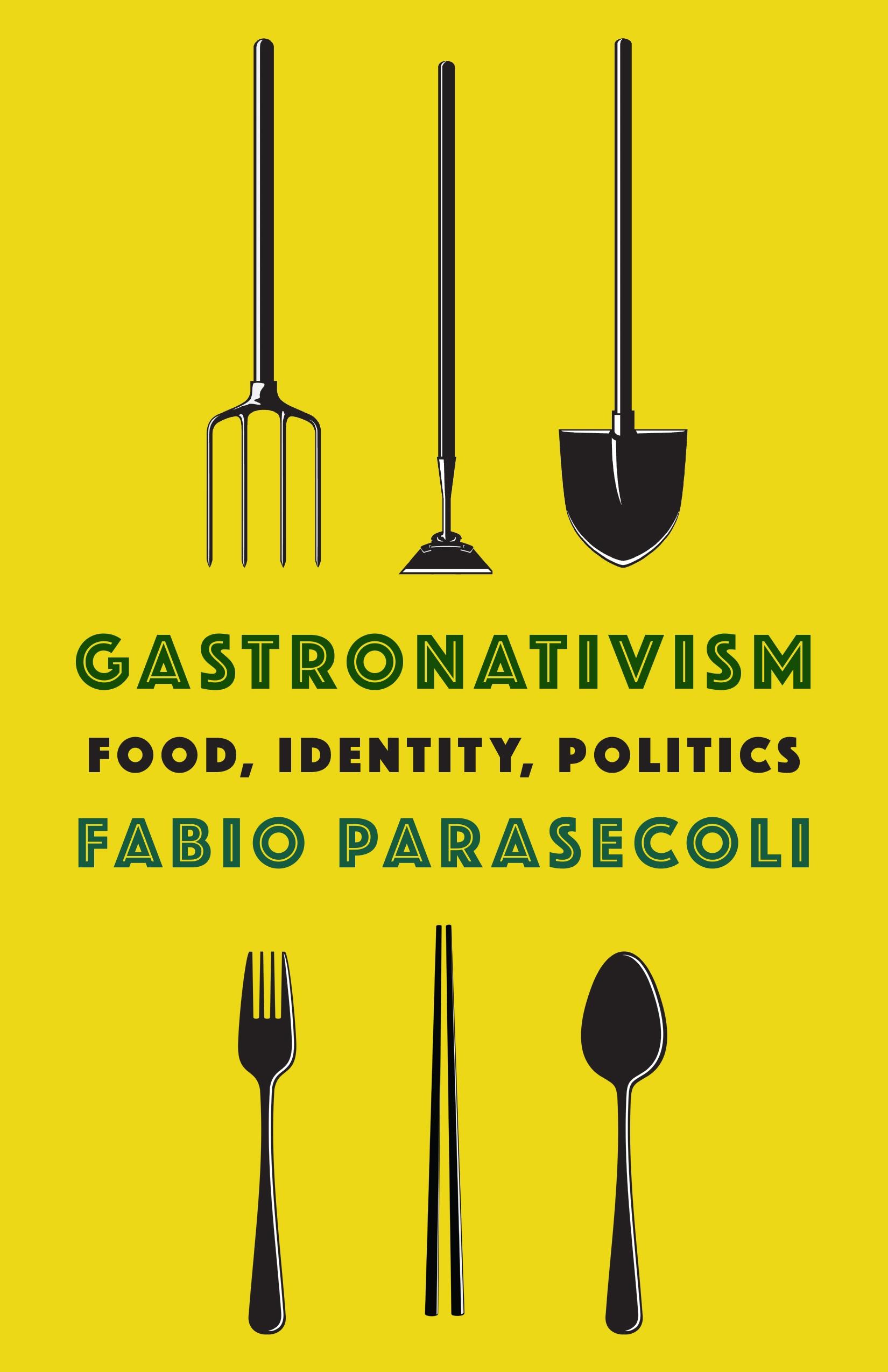
The Italian political right is outraged by halal tortellini and a pork-free lasagna served at the Vatican. In India, Hindu fundamentalists organize attacks on Muslims who sell beef. European anti-immigrant politicians denounce couscous and kebabs. In an era of nationalist and exclusionary movements, food has become a potent symbol of identity. Why has eating become so politically charged—and can the emotions surrounding food be redirected in a healthier direction?
Fabio Parasecoli identifies and defines the phenomenon of “gastronativism,” the ideological use of food to advance ideas about who belongs to a community and who does not. As globalization and neoliberalism have transformed food systems, people have responded by seeking to return to their roots. Many have embraced local ingredients and notions of cultural heritage, but this impulse can play into the hands of nationalist and xenophobic political projects. Such movements draw on the strong emotions connected with eating to stoke resentment and contempt for other people and cultures.
Parasecoli emphasizes that gastronativism is a worldwide phenomenon, even as it often purports to oppose local aspects and consequences of globalization. He also explores how to channel pride in culinary traditions toward resisting transnational corporations, uplifting marginalized and oppressed groups, and assisting people left behind by globalization. Featuring a wide array of examples from all over the world, Gastronativism is a timely, incisive, and lively analysis of how and why food has become a powerful political tool.
Before Memmo my notes were scattered across PDFs. Now a workspace pulls everything into one place — I see exactly what's still left to study.
Memmo's summaries are gold before exams. I don't have to re-read 800 pages two weeks before — just the important parts.
The AI chat has saved me the night before an exam more than once. I just keep asking until I get it — no waiting on a study group to reply.
The quizzes hit exactly what I need to know. Memmo tracks what I get stuck on — so I only practice what's worth it.
Flashcards with spaced repetition are magic. Memmo knows when I'm about to forget something and brings it back.
The AI podcasts are my favorite. I listen on my way to school and get a recap without sitting at a computer.

Handbok i kvalitativa metoder
281 kr

Hållbar utveckling: en introduktion för ingenjörer och andra problemlösare
334 kr

Brymans Samhällsvetenskapliga metoder
390 kr

Projektledning
491 kr

Den orättvisa hälsan: om socioekonomiska skillnader i hälsa och livslängd
326 kr

Vetenskapsteori för nybörjare
196 kr

Organizational Leadership
429 kr

På väg mot läraryrket
172 kr

Det sociala livet i skolan: Socialpsykologiska perspektiv
253 kr

Betygsättningens didaktik
151 kr

Personality
402 kr

Studying Leadership
404 kr

Managing Innovation
477 kr

Introduktion till samhällsvetenskaplig metod
347 kr

The Psychology of Sex and Gender
698 kr

Evidens och kunskap för socialt arbete
207 kr

Introduction to Leadership
605 kr