
Before Memmo my notes were scattered across PDFs. Now a workspace pulls everything into one place — I see exactly what's still left to study.
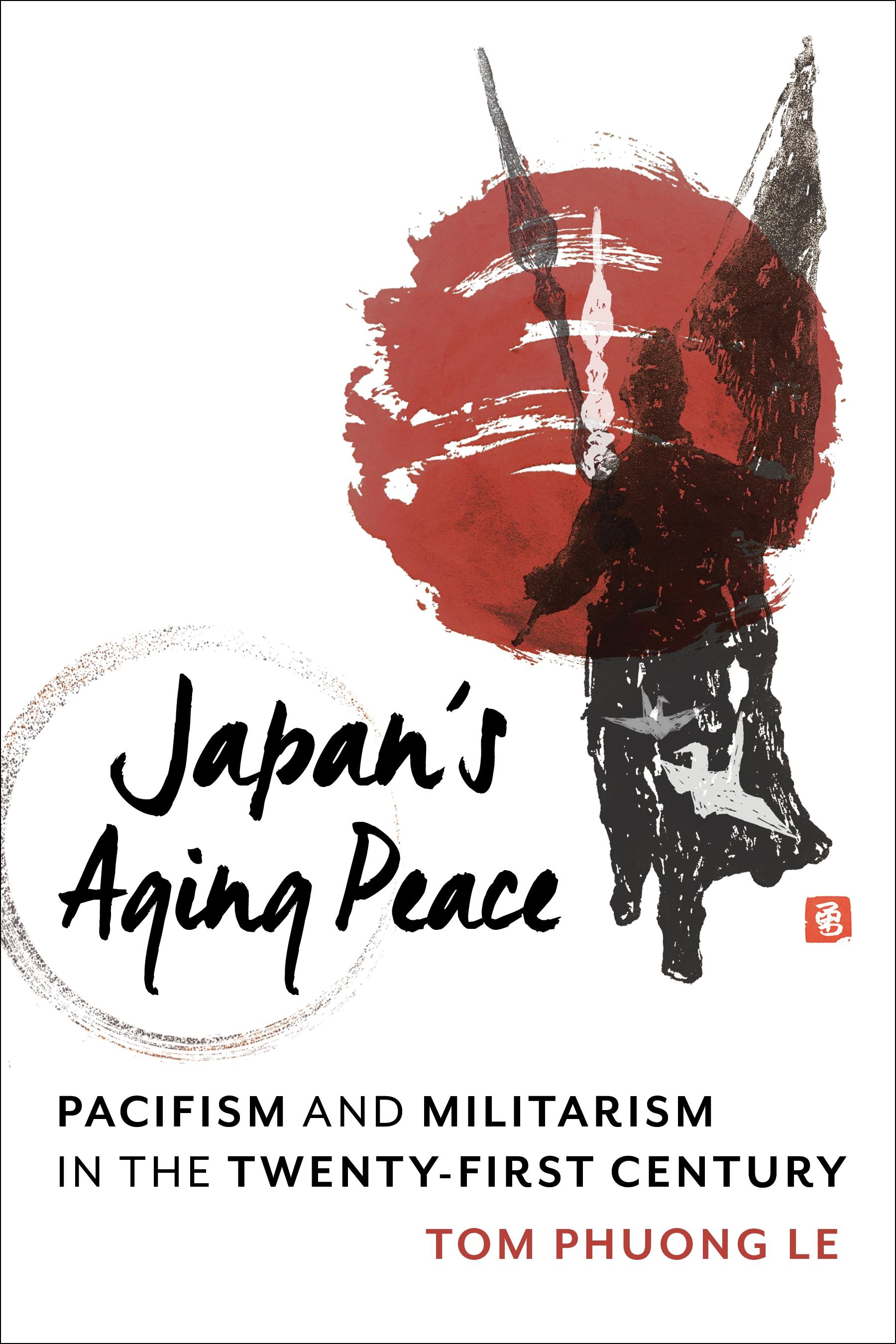
Since the end of World War II, Japan has not sought to remilitarize, and its postwar constitution commits to renouncing aggressive warfare. Yet many inside and outside Japan have asked whether the country should or will return to commanding armed forces amid an increasingly challenging regional and global context and as domestic politics have shifted in favor of demonstrations of national strength.
Tom Phuong Le offers a novel explanation of Japan’s reluctance to remilitarize that foregrounds the relationship between demographics and security. Japan’s Aging Peace demonstrates how changing perceptions of security across generations have culminated in a culture of antimilitarism that constrains the government’s efforts to pursue a more martial foreign policy. Le challenges a simple opposition between militarism and pacifism, arguing that Japanese security discourse should be understood in terms of “multiple militarisms,” which can legitimate choices such as the mobilization of the Japan Self-Defense Forces for peacekeeping operations and humanitarian relief missions. Le highlights how factors that are not typically linked to security policy, such as aging and declining populations and gender inequality, have played crucial roles. He contends that the case of Japan challenges the presumption in international relations scholarship that states must pursue the use of force or be punished, showing how widespread normative beliefs have restrained Japanese policy makers. Drawing on interviews with policy makers, military personnel, atomic bomb survivors, museum coordinators, grassroots activists, and other stakeholders, as well as analysis of peace museums and social movements, Japan’s Aging Peace provides new insights for scholars of Asian politics, international relations, and Japanese foreign policy.
Before Memmo my notes were scattered across PDFs. Now a workspace pulls everything into one place — I see exactly what's still left to study.
Memmo's summaries are gold before exams. I don't have to re-read 800 pages two weeks before — just the important parts.
The AI chat has saved me the night before an exam more than once. I just keep asking until I get it — no waiting on a study group to reply.
The quizzes hit exactly what I need to know. Memmo tracks what I get stuck on — so I only practice what's worth it.
Flashcards with spaced repetition are magic. Memmo knows when I'm about to forget something and brings it back.
The AI podcasts are my favorite. I listen on my way to school and get a recap without sitting at a computer.

Handbok i kvalitativa metoder
281 kr

Hållbar utveckling: en introduktion för ingenjörer och andra problemlösare
334 kr

Brymans Samhällsvetenskapliga metoder
390 kr

Projektledning
491 kr

Den orättvisa hälsan: om socioekonomiska skillnader i hälsa och livslängd
326 kr

Organizational Leadership
429 kr

Vetenskapsteori för nybörjare
196 kr

På väg mot läraryrket
172 kr

Det sociala livet i skolan: Socialpsykologiska perspektiv
253 kr

Betygsättningens didaktik
151 kr

Personality
402 kr

Studying Leadership
404 kr

Managing Innovation
477 kr

Introduktion till samhällsvetenskaplig metod
347 kr

The Psychology of Sex and Gender
698 kr

Evidens och kunskap för socialt arbete
207 kr

Introduction to Leadership
605 kr