
Before Memmo my notes were scattered across PDFs. Now a workspace pulls everything into one place — I see exactly what's still left to study.
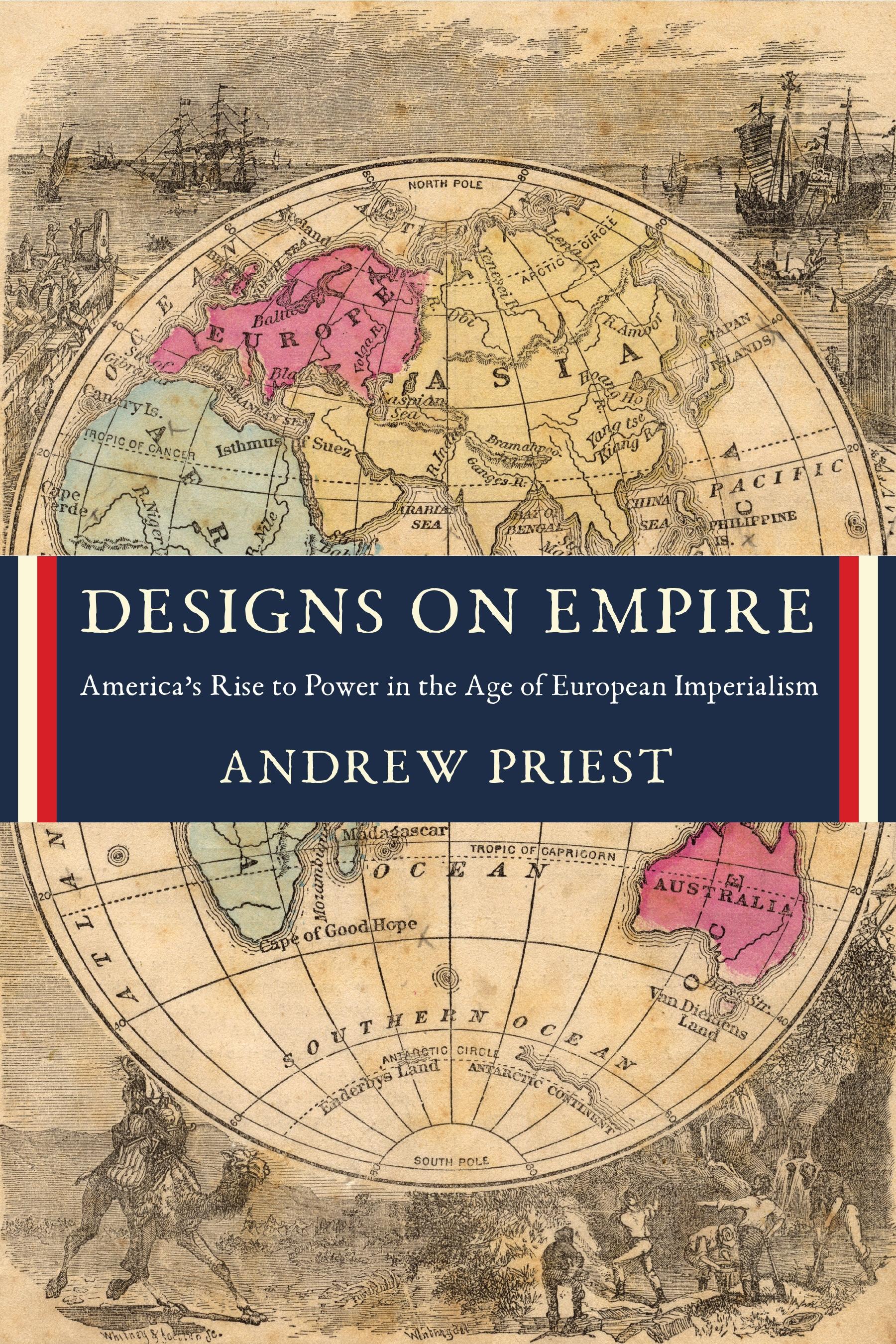
In the eyes of both contemporaries and historians, the United States became an empire in 1898. By taking possession of Cuba and the Philippines, the nation seemed to have reached a watershed moment in its rise to power—spurring arguments over whether it should be a colonial power at all. However, the questions that emerged in the wake of 1898 built on long-standing and far-reaching debates over America’s place in the world.
Andrew Priest offers a new understanding of the roots of American empire that foregrounds the longer history of perceptions of European powers. He traces the development of American thinking about European imperialism in the years after the Civil War, before the United States embarked on its own overseas colonial projects. Designs on Empire examines responses to Napoleon III’s intervention in Mexico, Spain and the Ten Years’ War in Cuba, Britain’s occupation of Egypt, and the carving up of Africa at the Berlin Conference. Priest shows how observing and interacting with other empires shaped American understandings of the international environment and their own burgeoning power. He highlights ambivalence among American elites regarding empire as well as the prevalence of notions of racial hierarchy. While many deplored the way powerful nations dominated others, others saw imperial projects as the advance of civilization, and even critics often felt a closer affinity with European imperialists than colonized peoples.
A wide-ranging book that blends intellectual, political, and diplomatic history, Designs on Empire sheds new light on the foundations of American power.
Before Memmo my notes were scattered across PDFs. Now a workspace pulls everything into one place — I see exactly what's still left to study.
Memmo's summaries are gold before exams. I don't have to re-read 800 pages two weeks before — just the important parts.
The AI chat has saved me the night before an exam more than once. I just keep asking until I get it — no waiting on a study group to reply.
The quizzes hit exactly what I need to know. Memmo tracks what I get stuck on — so I only practice what's worth it.
Flashcards with spaced repetition are magic. Memmo knows when I'm about to forget something and brings it back.
The AI podcasts are my favorite. I listen on my way to school and get a recap without sitting at a computer.

Handbok i kvalitativa metoder
281 kr

Hållbar utveckling: en introduktion för ingenjörer och andra problemlösare
334 kr

Brymans Samhällsvetenskapliga metoder
390 kr

Projektledning
491 kr

Den orättvisa hälsan: om socioekonomiska skillnader i hälsa och livslängd
326 kr

Organizational Leadership
429 kr

Vetenskapsteori för nybörjare
196 kr

På väg mot läraryrket
172 kr

Det sociala livet i skolan: Socialpsykologiska perspektiv
253 kr

Betygsättningens didaktik
151 kr

Personality
402 kr

Studying Leadership
404 kr

Managing Innovation
477 kr

Introduktion till samhällsvetenskaplig metod
347 kr

The Psychology of Sex and Gender
698 kr

Evidens och kunskap för socialt arbete
207 kr

Introduction to Leadership
605 kr