
Before Memmo my notes were scattered across PDFs. Now a workspace pulls everything into one place — I see exactly what's still left to study.
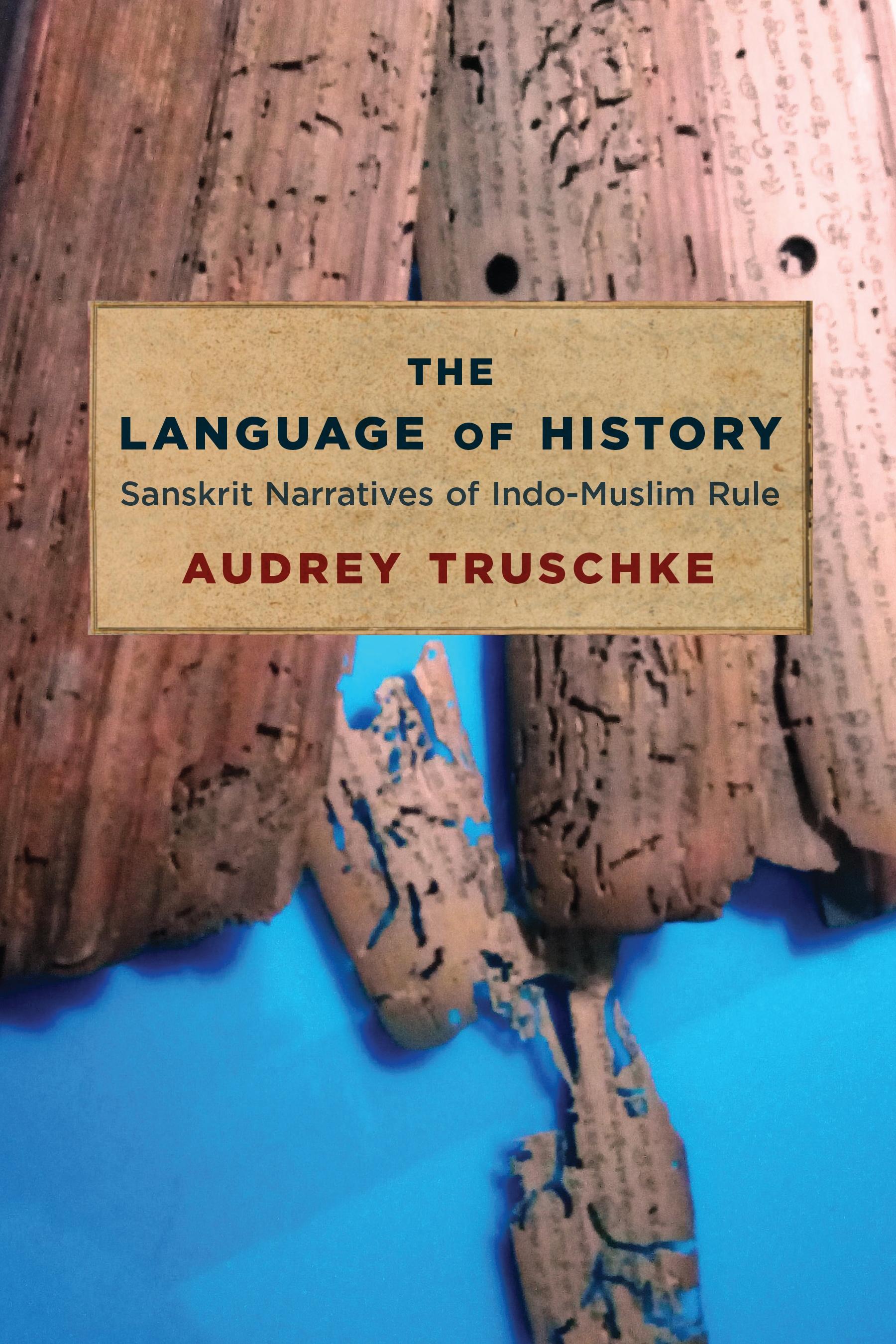
For over five hundred years, Muslim dynasties ruled parts of northern and central India, starting with the Ghurids in the 1190s through the fracturing of the Mughal Empire in the early eighteenth century. Scholars have long drawn upon works written in Persian and Arabic about this epoch, yet they have neglected the many histories that India’s learned elite wrote about Indo-Muslim rule in Sanskrit. These works span the Delhi Sultanate and Mughal Empire and discuss Muslim-led kingdoms in the Deccan and even as far south as Tamil Nadu. They constitute a major archive for understanding significant cultural and political changes that shaped early modern India and the views of those who lived through this crucial period.
Audrey Truschke offers a groundbreaking analysis of these Sanskrit texts that sheds light on both historical Muslim political leaders on the subcontinent and how premodern Sanskrit intellectuals perceived the “Muslim Other.” She analyzes and theorizes how Sanskrit historians used the tools of their literary tradition to document Muslim governance and, later, as Muslims became an integral part of Indian cultural and political worlds, Indo-Muslim rule. Truschke demonstrates how this new archive lends insight into formulations and expressions of premodern political, social, cultural, and religious identities. By elaborating the languages and identities at play in premodern Sanskrit historical works, this book expands our historical and conceptual resources for understanding premodern South Asia, Indian intellectual history, and the impact of Muslim peoples on non-Muslim societies.
At a time when exclusionary Hindu nationalism, which often grounds its claims on fabricated visions of India’s premodernity, dominates the Indian public sphere, The Language of History shows the complexity and diversity of the subcontinent’s past.
Before Memmo my notes were scattered across PDFs. Now a workspace pulls everything into one place — I see exactly what's still left to study.
Memmo's summaries are gold before exams. I don't have to re-read 800 pages two weeks before — just the important parts.
The AI chat has saved me the night before an exam more than once. I just keep asking until I get it — no waiting on a study group to reply.
The quizzes hit exactly what I need to know. Memmo tracks what I get stuck on — so I only practice what's worth it.
Flashcards with spaced repetition are magic. Memmo knows when I'm about to forget something and brings it back.
The AI podcasts are my favorite. I listen on my way to school and get a recap without sitting at a computer.

Handbok i kvalitativa metoder
281 kr

Hållbar utveckling: en introduktion för ingenjörer och andra problemlösare
334 kr

Brymans Samhällsvetenskapliga metoder
390 kr

Projektledning
491 kr

Den orättvisa hälsan: om socioekonomiska skillnader i hälsa och livslängd
326 kr

Organizational Leadership
429 kr

Vetenskapsteori för nybörjare
196 kr

På väg mot läraryrket
172 kr

Det sociala livet i skolan: Socialpsykologiska perspektiv
253 kr

Betygsättningens didaktik
151 kr

Personality
402 kr

Studying Leadership
404 kr

Managing Innovation
477 kr

Introduktion till samhällsvetenskaplig metod
347 kr

The Psychology of Sex and Gender
698 kr

Evidens och kunskap för socialt arbete
207 kr

Introduction to Leadership
605 kr