
Before Memmo my notes were scattered across PDFs. Now a workspace pulls everything into one place — I see exactly what's still left to study.
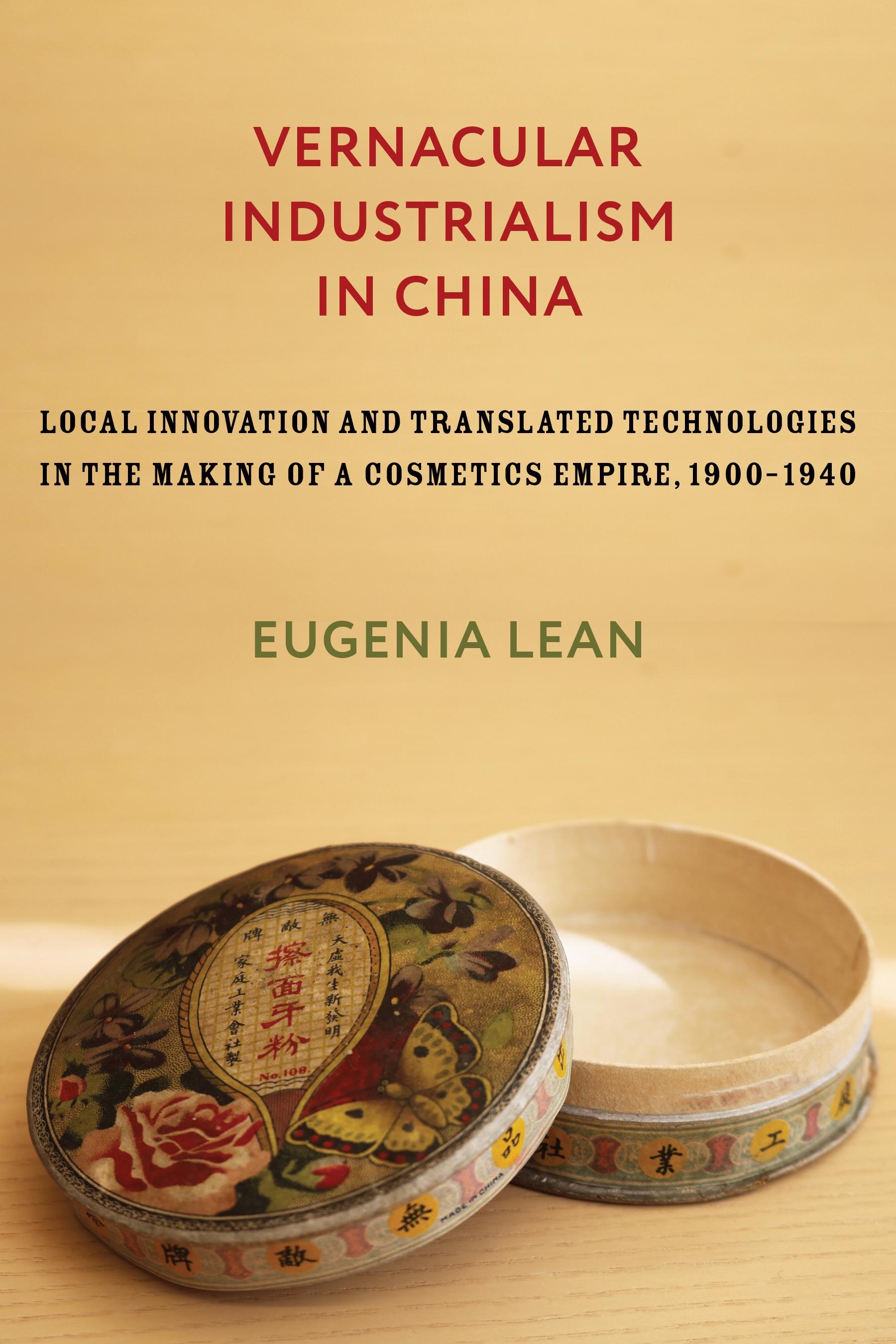
In early twentieth-century China, Chen Diexian (1879–1940) was a maverick entrepreneur—at once a prolific man of letters and captain of industry, a magazine editor and cosmetics magnate. He tinkered with chemistry in his private studio, used local cuttlefish to source magnesium carbonate, and published manufacturing tips in how-to columns. In a rapidly changing society, Chen copied foreign technologies and translated manufacturing processes from abroad to produce adaptations of global commodities that bested foreign brands. Engaging in the worlds of journalism, industry, and commerce, he drew on literati practices associated with late-imperial elites but deployed them in novel ways within a culture of educated tinkering that generated industrial innovation.
Through the lens of Chen’s career, Eugenia Lean explores how unlikely individuals devised unconventional, homegrown approaches to industry and science in early twentieth-century China. She contends that Chen’s activities exemplify “vernacular industrialism,” the pursuit of industry and science outside of conventional venues, often involving ad hoc forms of knowledge and material work. Lean shows how vernacular industrialists accessed worldwide circuits of law and science and experimented with local and global processes of manufacturing to navigate, innovate, and compete in global capitalism. In doing so, they presaged the approach that has helped fuel China’s economic ascent in the twenty-first century. Rather than conventional narratives that depict China as belatedly borrowing from Western technology, Vernacular Industrialism in China offers a new understanding of industrialization, going beyond material factors to show the central role of culture and knowledge production in technological and industrial change.
Before Memmo my notes were scattered across PDFs. Now a workspace pulls everything into one place — I see exactly what's still left to study.
Memmo's summaries are gold before exams. I don't have to re-read 800 pages two weeks before — just the important parts.
The AI chat has saved me the night before an exam more than once. I just keep asking until I get it — no waiting on a study group to reply.
The quizzes hit exactly what I need to know. Memmo tracks what I get stuck on — so I only practice what's worth it.
Flashcards with spaced repetition are magic. Memmo knows when I'm about to forget something and brings it back.
The AI podcasts are my favorite. I listen on my way to school and get a recap without sitting at a computer.

Handbok i kvalitativa metoder
281 kr

Hållbar utveckling: en introduktion för ingenjörer och andra problemlösare
334 kr

Brymans Samhällsvetenskapliga metoder
390 kr

Projektledning
491 kr

Den orättvisa hälsan: om socioekonomiska skillnader i hälsa och livslängd
326 kr

Vetenskapsteori för nybörjare
196 kr

Organizational Leadership
429 kr

På väg mot läraryrket
172 kr

Det sociala livet i skolan: Socialpsykologiska perspektiv
253 kr

Betygsättningens didaktik
151 kr

Personality
402 kr

Studying Leadership
404 kr

Managing Innovation
477 kr

Introduktion till samhällsvetenskaplig metod
347 kr

The Psychology of Sex and Gender
698 kr

Evidens och kunskap för socialt arbete
207 kr

Introduction to Leadership
605 kr