
Before Memmo my notes were scattered across PDFs. Now a workspace pulls everything into one place — I see exactly what's still left to study.
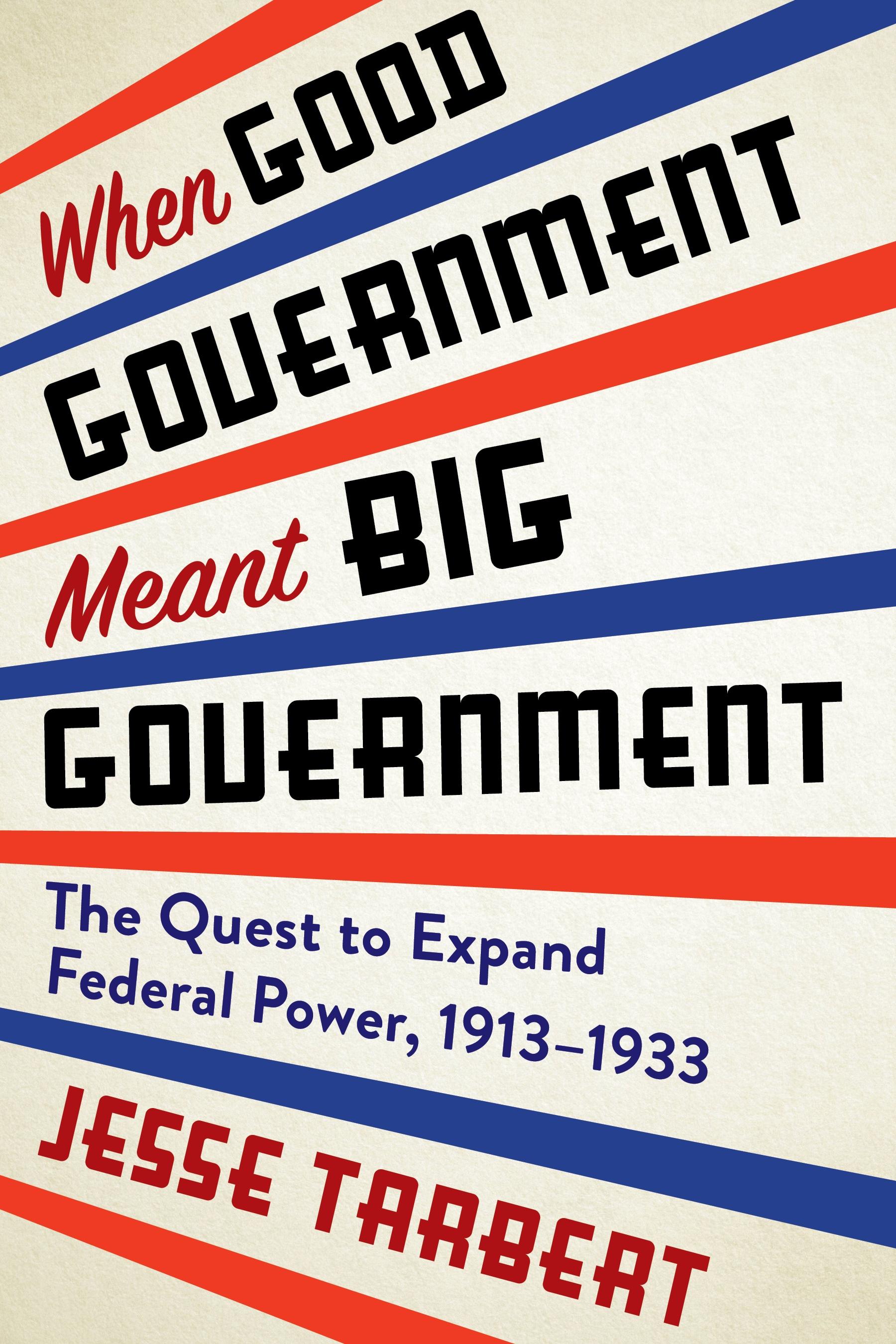
The years after World War I have often been seen as an era when Republican presidents and business leaders brought the growth of government in the United States to a sudden and emphatic halt. In When Good Government Meant Big Government, the historian Jesse Tarbert inverts the traditional story by revealing a forgotten effort by business-allied reformers to expand federal power—and how that effort was foiled by Southern Democrats and their political allies.
Tarbert traces how a loose-knit coalition of corporate lawyers, bankers, executives, genteel reformers, and philanthropists emerged as the leading proponents of central control and national authority in government during the 1910s and 1920s. Motivated by principles of “good government” and using large national corporations as a model, these elite reformers sought to transform the federal government’s ineffectual executive branch into a modern organization with the capacity to solve national problems. They achieved some success during the presidency of Warren G. Harding, but the elite reformers’ support for federal antilynching legislation confirmed the worries of white Southerners who feared that federal power would pose a threat to white supremacy. Working with others who shared their preference for local control of public administration, Southern Democrats led a backlash that blocked enactment of the elite reformers’ broader vision for a responsive and responsible national government.
Offering a novel perspective on politics and policy in the years before the New Deal, this book sheds new light on the roots of the modern American state and uncovers a crucial episode in the long history of racist and antigovernment forces in American life.
Before Memmo my notes were scattered across PDFs. Now a workspace pulls everything into one place — I see exactly what's still left to study.
Memmo's summaries are gold before exams. I don't have to re-read 800 pages two weeks before — just the important parts.
The AI chat has saved me the night before an exam more than once. I just keep asking until I get it — no waiting on a study group to reply.
The quizzes hit exactly what I need to know. Memmo tracks what I get stuck on — so I only practice what's worth it.
Flashcards with spaced repetition are magic. Memmo knows when I'm about to forget something and brings it back.
The AI podcasts are my favorite. I listen on my way to school and get a recap without sitting at a computer.

Handbok i kvalitativa metoder
281 kr

Hållbar utveckling: en introduktion för ingenjörer och andra problemlösare
334 kr

Brymans Samhällsvetenskapliga metoder
390 kr

Projektledning
491 kr

Den orättvisa hälsan: om socioekonomiska skillnader i hälsa och livslängd
326 kr

Vetenskapsteori för nybörjare
196 kr

Organizational Leadership
429 kr

På väg mot läraryrket
172 kr

Det sociala livet i skolan: Socialpsykologiska perspektiv
253 kr

Betygsättningens didaktik
151 kr

Personality
402 kr

Studying Leadership
404 kr

Managing Innovation
477 kr

Introduktion till samhällsvetenskaplig metod
347 kr

The Psychology of Sex and Gender
698 kr

Evidens och kunskap för socialt arbete
207 kr

Introduction to Leadership
605 kr