
Before Memmo my notes were scattered across PDFs. Now a workspace pulls everything into one place — I see exactly what's still left to study.
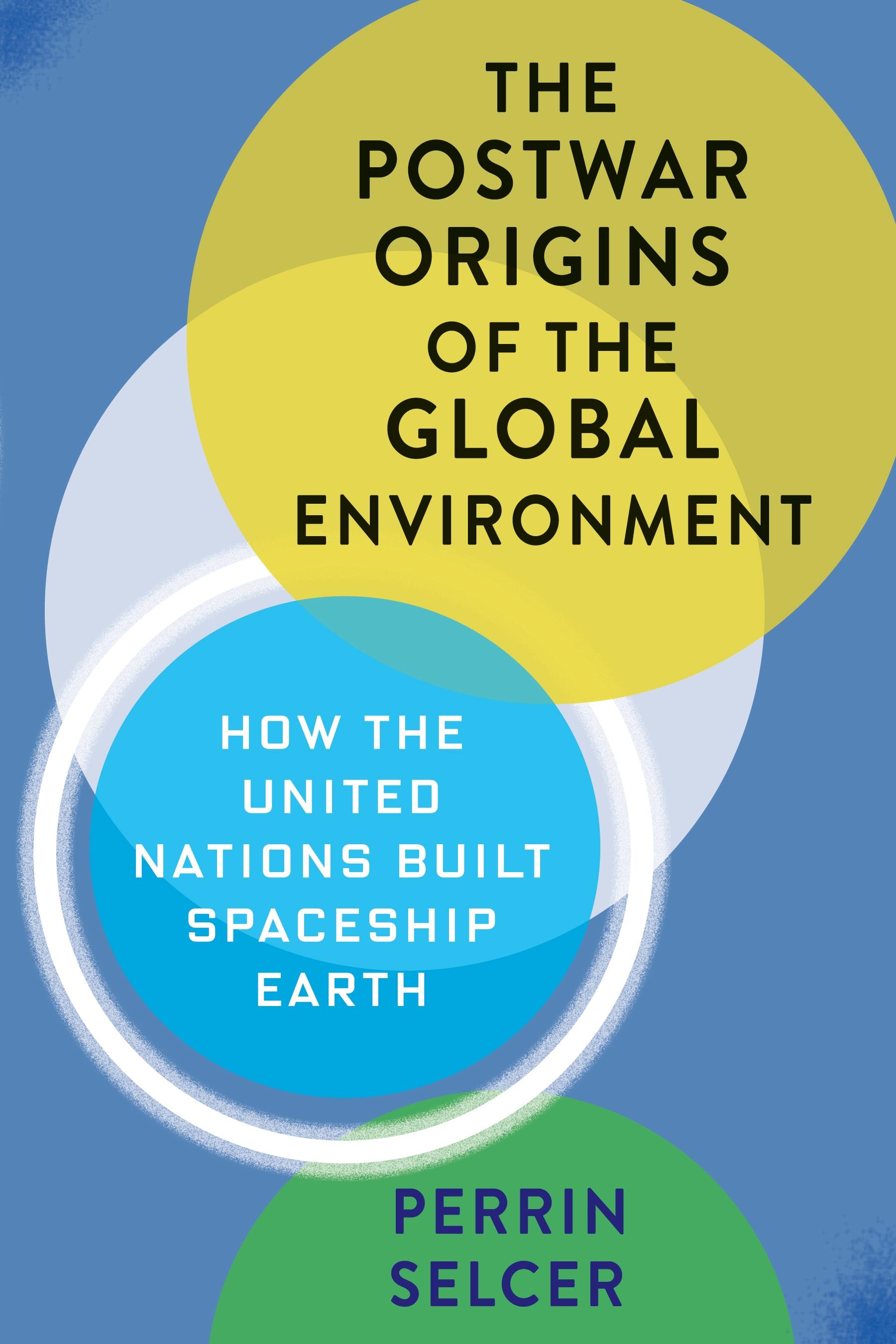
In the wake of the Second World War, internationalists identified science as both the cause of and the solution to world crisis. Unless civilization learned to control the unprecedented powers science had unleashed, global catastrophe was imminent. But the internationalists found hope in the idea of world government. In The Postwar Origins of the Global Environment, Perrin Selcer argues that the metaphor of “Spaceship Earth”—the idea of the planet as a single interconnected system—exemplifies this moment, when a mix of anxiety and hope inspired visions of world community and the proliferation of international institutions.
Selcer tells the story of how the United Nations built the international knowledge infrastructure that made the global-scale environment visible. Experts affiliated with UN agencies helped make the “global”—as in global population, global climate, and global economy—an object in need of governance. Selcer traces how UN programs such as UNESCO’s Arid Lands Project, the production of a soil map of the world, and plans for a global environmental-monitoring system fell short of utopian ambitions to cultivate world citizens but did produce an international community of experts with influential connections to national governments. He shows how events and personalities, cultures and ecologies, bureaucracies and ideologies, decolonization and the Cold War interacted to make global knowledge. A major contribution to global history, environmental history, and the history of development, this book relocates the origins of planetary environmentalism in the postwar politics of scale.
Before Memmo my notes were scattered across PDFs. Now a workspace pulls everything into one place — I see exactly what's still left to study.
Memmo's summaries are gold before exams. I don't have to re-read 800 pages two weeks before — just the important parts.
The AI chat has saved me the night before an exam more than once. I just keep asking until I get it — no waiting on a study group to reply.
The quizzes hit exactly what I need to know. Memmo tracks what I get stuck on — so I only practice what's worth it.
Flashcards with spaced repetition are magic. Memmo knows when I'm about to forget something and brings it back.
The AI podcasts are my favorite. I listen on my way to school and get a recap without sitting at a computer.

Handbok i kvalitativa metoder
281 kr

Hållbar utveckling: en introduktion för ingenjörer och andra problemlösare
334 kr

Brymans Samhällsvetenskapliga metoder
390 kr

Projektledning
491 kr

Den orättvisa hälsan: om socioekonomiska skillnader i hälsa och livslängd
326 kr

Vetenskapsteori för nybörjare
196 kr

Organizational Leadership
429 kr

På väg mot läraryrket
172 kr

Det sociala livet i skolan: Socialpsykologiska perspektiv
253 kr

Betygsättningens didaktik
151 kr

Personality
402 kr

Studying Leadership
404 kr

Managing Innovation
477 kr

Introduktion till samhällsvetenskaplig metod
347 kr

The Psychology of Sex and Gender
698 kr

Evidens och kunskap för socialt arbete
207 kr

Introduction to Leadership
605 kr