
Before Memmo my notes were scattered across PDFs. Now a workspace pulls everything into one place — I see exactly what's still left to study.
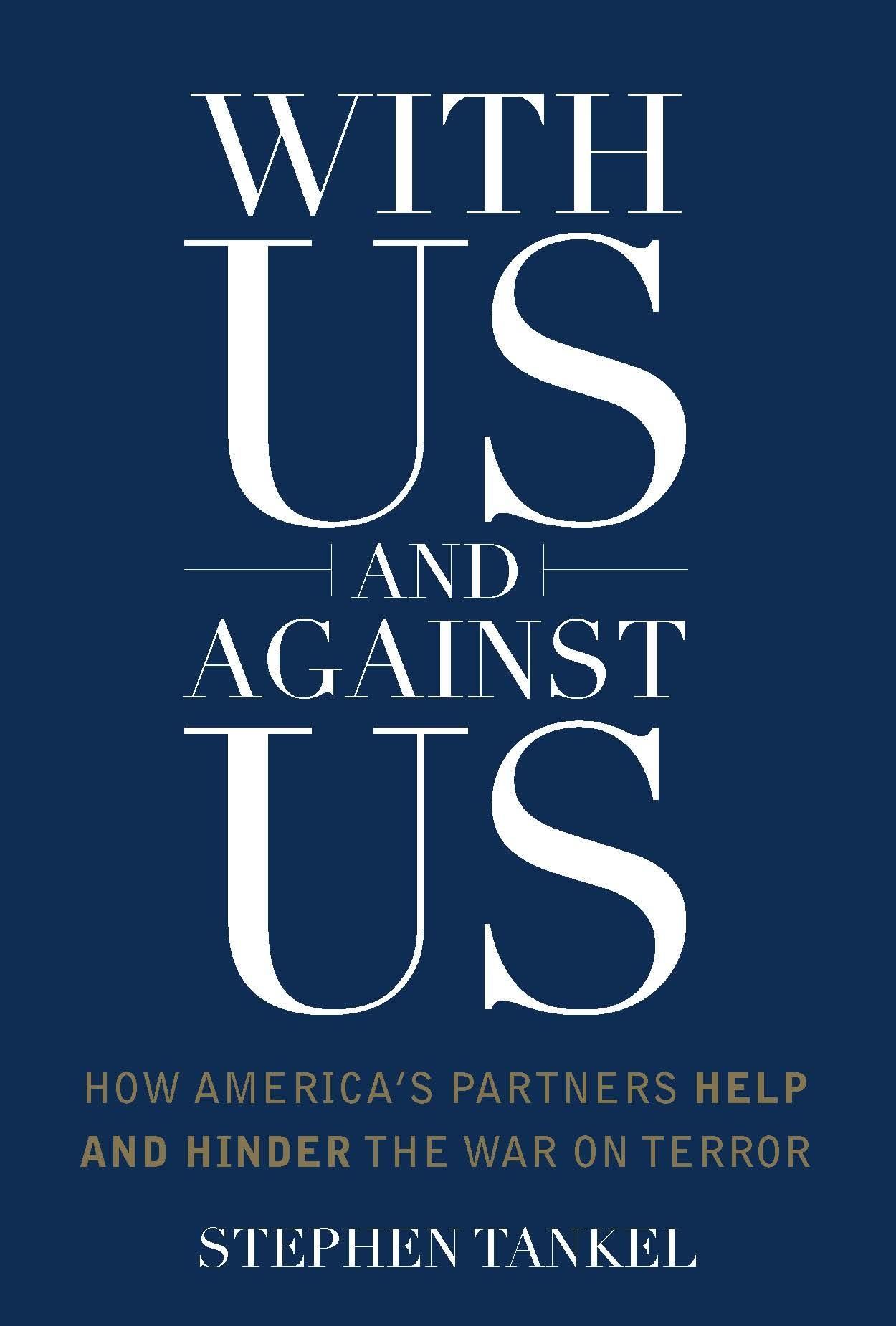
In the wake of the September 11 attacks, President George W. Bush drew a line in the sand, saying, “Either you are with us or you are with the terrorists.” Since 9/11, many counterterrorism partners have been both “with” and “against” the United States, helping it in some areas and hindering it in others. This has been especially true in the Middle East, Africa, and South Asia, where the terrorist groups that threaten America are most concentrated. Because so many aspects of U.S. counterterrorism strategy are dependent on international cooperation, the United States has little choice but to work with other countries. Making the most of these partnerships is fundamental to the success of the War on Terror. Yet what the United States can reasonably expect from its counterterrorism partners—and how to get more out of them—remain too little understood.
In With Us and Against Us, Stephen Tankel analyzes the factors that shape counterterrorism cooperation, examining the ways partner nations aid international efforts, as well as the ways they encumber and impede effective action. He considers the changing nature of counterterrorism, exploring how counterterrorism efforts after 9/11 critically differ both from those that existed beforehand and from traditional alliances. Focusing on U.S. partnerships with Algeria, Egypt, Mali, Pakistan, Saudi Arabia and Yemen against al-Qaeda, ISIS, and other terrorist organizations, Tankel offers nuanced propositions about what the U.S. can expect from its counterterrorism partners depending on their political and security interests, threat perceptions, and their relationships with the United States and with the terrorists in question. With Us and Against Us offers a theoretically rich and policy-relevant toolkit for assessing and improving counterterrorism cooperation, devising strategies for mitigating risks, and getting the most out of difficult partnerships.
Before Memmo my notes were scattered across PDFs. Now a workspace pulls everything into one place — I see exactly what's still left to study.
Memmo's summaries are gold before exams. I don't have to re-read 800 pages two weeks before — just the important parts.
The AI chat has saved me the night before an exam more than once. I just keep asking until I get it — no waiting on a study group to reply.
The quizzes hit exactly what I need to know. Memmo tracks what I get stuck on — so I only practice what's worth it.
Flashcards with spaced repetition are magic. Memmo knows when I'm about to forget something and brings it back.
The AI podcasts are my favorite. I listen on my way to school and get a recap without sitting at a computer.

Handbok i kvalitativa metoder
281 kr

Hållbar utveckling: en introduktion för ingenjörer och andra problemlösare
334 kr

Brymans Samhällsvetenskapliga metoder
390 kr

Projektledning
491 kr

Den orättvisa hälsan: om socioekonomiska skillnader i hälsa och livslängd
326 kr

Organizational Leadership
429 kr

Vetenskapsteori för nybörjare
196 kr

På väg mot läraryrket
172 kr

Det sociala livet i skolan: Socialpsykologiska perspektiv
253 kr

Betygsättningens didaktik
151 kr

Personality
402 kr

Studying Leadership
404 kr

Managing Innovation
477 kr

Introduktion till samhällsvetenskaplig metod
347 kr

The Psychology of Sex and Gender
698 kr

Evidens och kunskap för socialt arbete
207 kr

Introduction to Leadership
605 kr