
Before Memmo my notes were scattered across PDFs. Now a workspace pulls everything into one place — I see exactly what's still left to study.
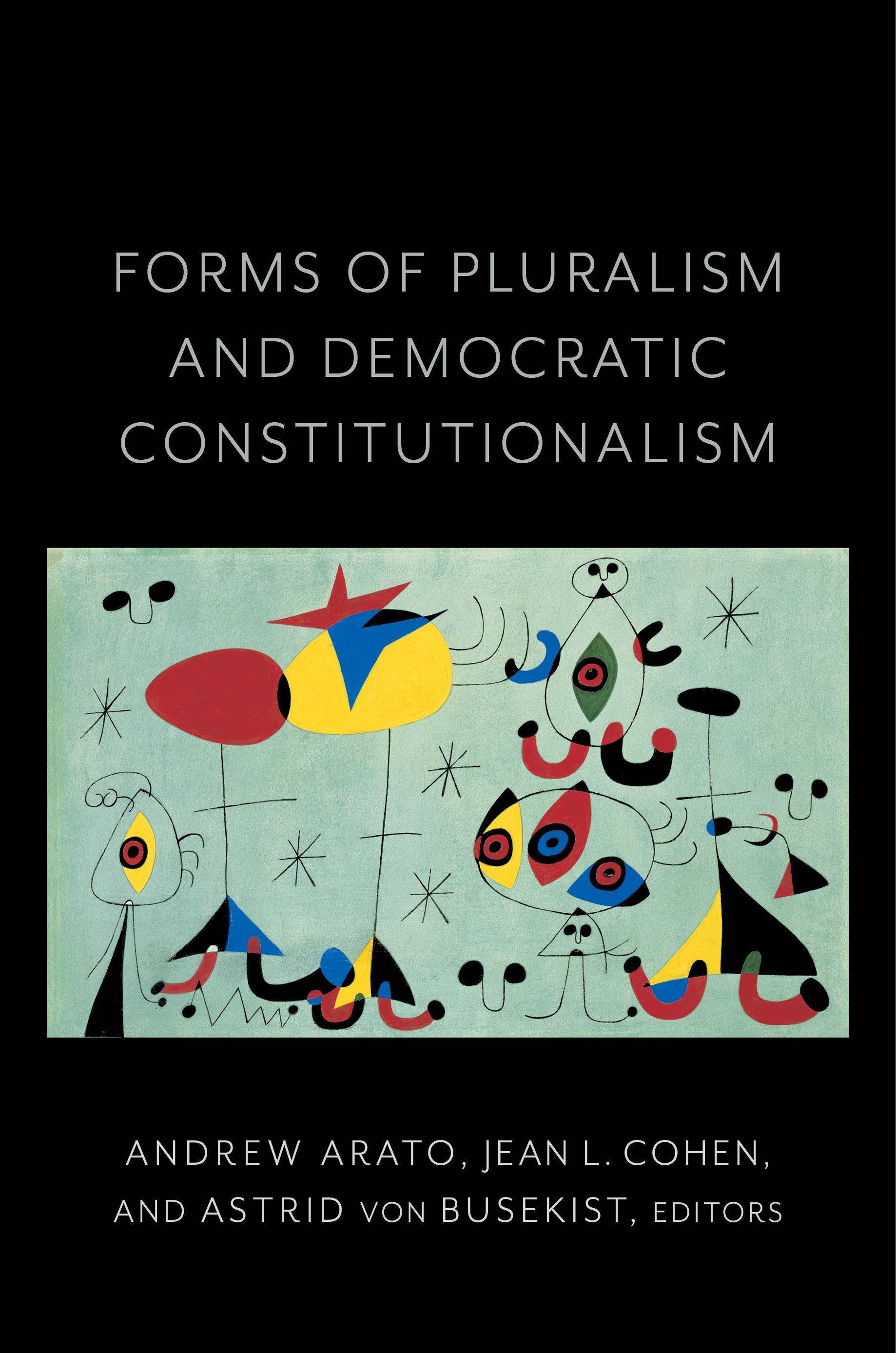
The achievements of the democratic constitutional order have long been associated with the sovereign nation-state. Civic nationalist assumptions hold that social solidarity and social plurality are compatible, offering a path to guarantees of individual rights, social justice, and tolerance for minority voices. Yet today, challenges to the liberal-democratic sovereign nation-state are proliferating on all levels, from multinational corporations and international institutions to populist nationalisms and revanchist ethnic and religious movements. Many critics see the nation-state itself as a tool of racial and economic exclusion and repression. What other options are available for managing pluralism, fostering self-government, furthering social justice, and defending equality?
In this interdisciplinary volume, a group of prominent international scholars considers alternative political formations to the nation-state and their ability to preserve and expand the achievements of democratic constitutionalism in the twenty-first century. The book considers four different principles of organization—federation, subsidiarity, status group legal pluralism, and transnational corporate autonomy—contrasts them with the unitary and centralized nation-state, and inquires into their capacity to deal with deep societal differences. In essays that examine empire, indigenous struggles, corporate institutions, forms of federalism, and the complexities of political secularism, anthropologists, historians, legal scholars, political scientists, and sociologists remind us that the sovereign nation-state is not inevitable and that multinational and federal states need not privilege a particular group. Forms of Pluralism and Democratic Constitutionalism helps us answer the crucial question of whether any of the alternatives might be better suited to core democratic principles.
Before Memmo my notes were scattered across PDFs. Now a workspace pulls everything into one place — I see exactly what's still left to study.
Memmo's summaries are gold before exams. I don't have to re-read 800 pages two weeks before — just the important parts.
The AI chat has saved me the night before an exam more than once. I just keep asking until I get it — no waiting on a study group to reply.
The quizzes hit exactly what I need to know. Memmo tracks what I get stuck on — so I only practice what's worth it.
Flashcards with spaced repetition are magic. Memmo knows when I'm about to forget something and brings it back.
The AI podcasts are my favorite. I listen on my way to school and get a recap without sitting at a computer.

Handbok i kvalitativa metoder
281 kr

Hållbar utveckling: en introduktion för ingenjörer och andra problemlösare
334 kr

Brymans Samhällsvetenskapliga metoder
390 kr

Projektledning
491 kr

Den orättvisa hälsan: om socioekonomiska skillnader i hälsa och livslängd
326 kr

Organizational Leadership
429 kr

Vetenskapsteori för nybörjare
196 kr

På väg mot läraryrket
172 kr

Det sociala livet i skolan: Socialpsykologiska perspektiv
253 kr

Betygsättningens didaktik
151 kr

Personality
402 kr

Studying Leadership
404 kr

Managing Innovation
477 kr

Introduktion till samhällsvetenskaplig metod
347 kr

The Psychology of Sex and Gender
698 kr

Evidens och kunskap för socialt arbete
207 kr

Introduction to Leadership
605 kr