
Before Memmo my notes were scattered across PDFs. Now a workspace pulls everything into one place — I see exactly what's still left to study.
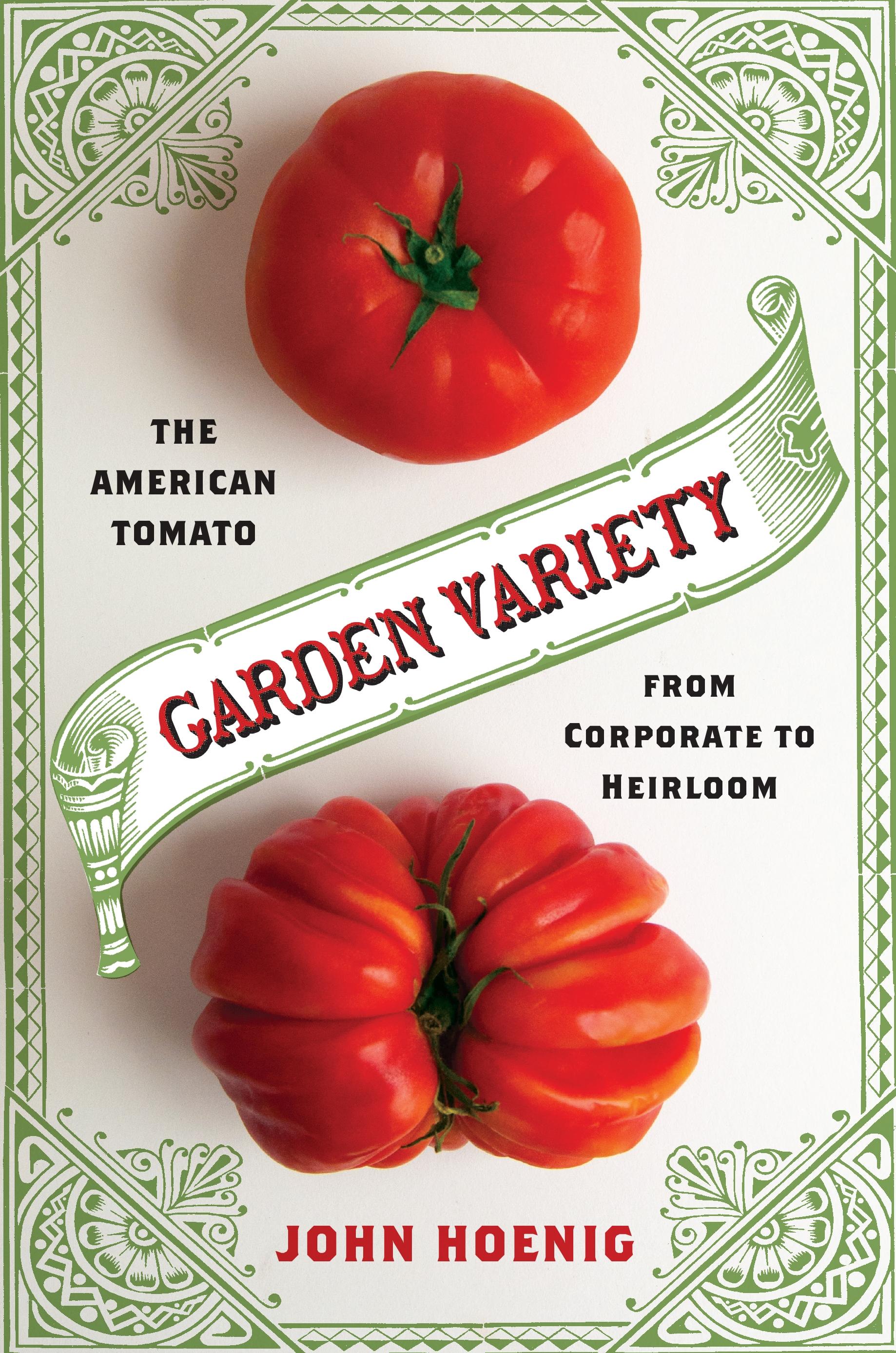
Chopped in salads, scooped up in salsa, slathered on pizza and pasta, squeezed onto burgers and fries, and filling aisles with roma, cherry, beefsteak, on-the-vine, and heirloom: where would American food, fast and slow, high and low, be without the tomato? The tomato represents the best and worst of American cuisine: though the plastic-looking corporate tomato is the hallmark of industrial agriculture, the tomato’s history also encompasses farmers’ markets and home gardens. Garden Variety illuminates American culinary culture from 1800 to the present, challenging a simple story of mass-produced homogeneity and demonstrating the persistence of diverse food cultures throughout modern America.
John Hoenig explores the path by which, over the last two centuries, the tomato went from a rare seasonal crop to America’s favorite vegetable. He pays particular attention to the noncorporate tomato. During the twentieth century, as food production, processing, and distribution became increasingly centralized, the tomato remained king of the vegetable garden and, in recent years, has become the centerpiece of alternative food cultures. Reading seed catalogs, menus, and cookbooks, and following the efforts of cooks and housewives to find new ways to prepare and preserve tomatoes, Hoenig challenges the extent to which branding, advertising, and marketing dominated twentieth-century American life. He emphasizes the importance of tomatoes to numerous immigrant groups and their influence on the development of American food cultures. Garden Variety highlights the limits on corporations’ ability to shape what we eat, inviting us to rethink the history of our foodways and to take the opportunity to expand the palate of American cuisine.
Before Memmo my notes were scattered across PDFs. Now a workspace pulls everything into one place — I see exactly what's still left to study.
Memmo's summaries are gold before exams. I don't have to re-read 800 pages two weeks before — just the important parts.
The AI chat has saved me the night before an exam more than once. I just keep asking until I get it — no waiting on a study group to reply.
The quizzes hit exactly what I need to know. Memmo tracks what I get stuck on — so I only practice what's worth it.
Flashcards with spaced repetition are magic. Memmo knows when I'm about to forget something and brings it back.
The AI podcasts are my favorite. I listen on my way to school and get a recap without sitting at a computer.

Handbok i kvalitativa metoder
281 kr

Hållbar utveckling: en introduktion för ingenjörer och andra problemlösare
334 kr

Brymans Samhällsvetenskapliga metoder
390 kr

Projektledning
491 kr

Den orättvisa hälsan: om socioekonomiska skillnader i hälsa och livslängd
326 kr

Organizational Leadership
429 kr

Vetenskapsteori för nybörjare
196 kr

På väg mot läraryrket
172 kr

Det sociala livet i skolan: Socialpsykologiska perspektiv
253 kr

Betygsättningens didaktik
151 kr

Personality
402 kr

Studying Leadership
404 kr

Managing Innovation
477 kr

Introduktion till samhällsvetenskaplig metod
347 kr

The Psychology of Sex and Gender
698 kr

Evidens och kunskap för socialt arbete
207 kr

Introduction to Leadership
605 kr