
Before Memmo my notes were scattered across PDFs. Now a workspace pulls everything into one place — I see exactly what's still left to study.
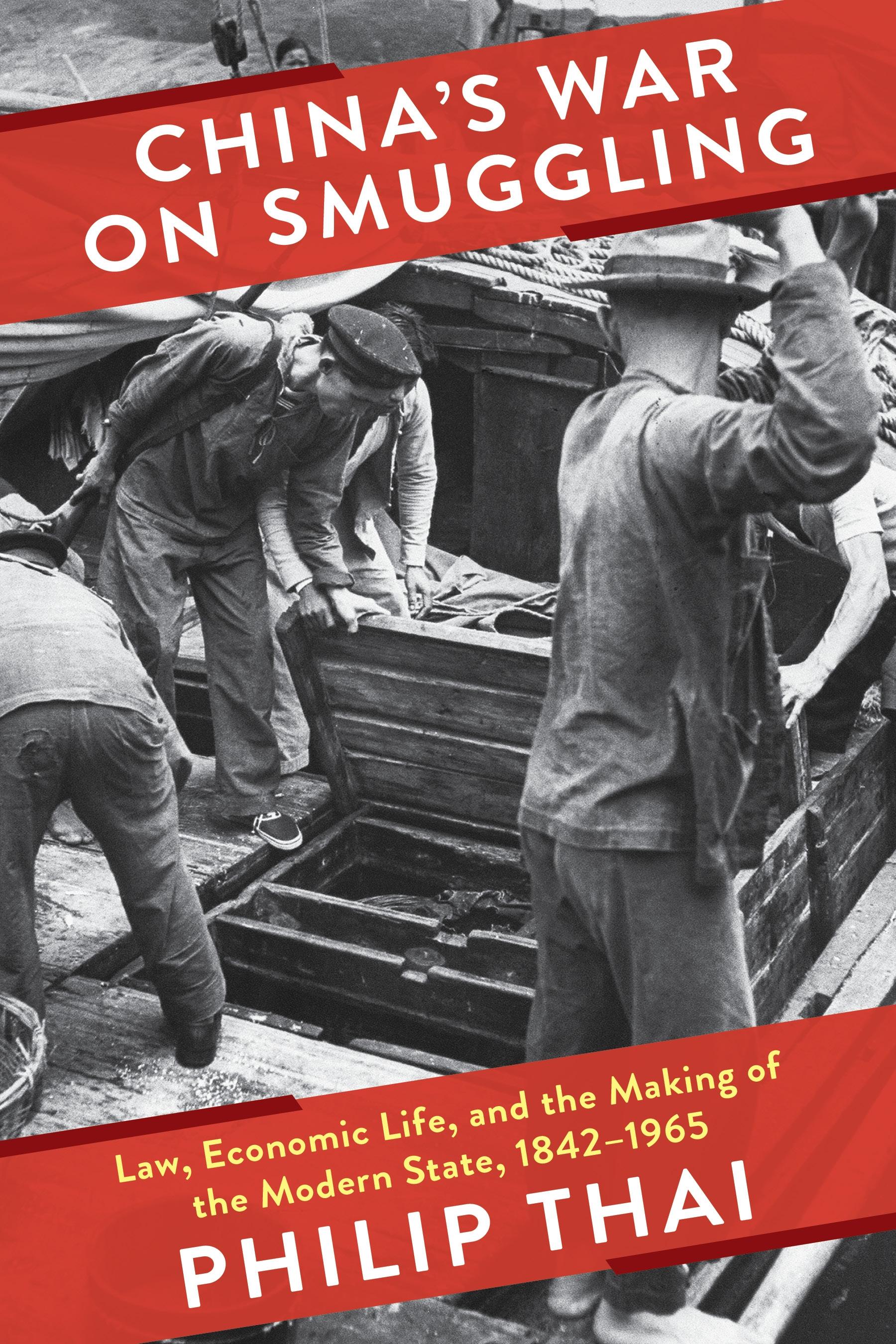
Smuggling along the Chinese coast has been a thorn in the side of many regimes. From opium and weapons concealed aboard foreign steamships in the Qing dynasty to nylon stockings and wristwatches trafficked in the People’s Republic, contests between state and smuggler have exerted a surprising but crucial influence on the political economy of modern China. Seeking to consolidate domestic authority and confront foreign challenges, states introduced tighter regulations, higher taxes, and harsher enforcement. These interventions sparked widespread defiance, triggering further coercive measures. Smuggling simultaneously threatened the state’s power while inviting repression that strengthened its authority.
Philip Thai chronicles the vicissitudes of smuggling in modern China—its practice, suppression, and significance—to demonstrate the intimate link between illicit coastal trade and the amplification of state power. China’s War on Smuggling shows that the fight against smuggling was not a simple law enforcement problem but rather an impetus to centralize authority and expand economic controls. The smuggling epidemic gave Chinese states pretext to define legal and illegal behavior, and the resulting constraints on consumption and movement remade everyday life for individuals, merchants, and communities. Drawing from varied sources such as legal cases, customs records, and popular press reports and including diverse perspectives from political leaders, frontline enforcers, organized traffickers, and petty runners, Thai uncovers how different regimes policed maritime trade and the unintended consequences their campaigns unleashed. China’s War on Smuggling traces how defiance and repression redefined state power, offering new insights into modern Chinese social, legal, and economic history.
Before Memmo my notes were scattered across PDFs. Now a workspace pulls everything into one place — I see exactly what's still left to study.
Memmo's summaries are gold before exams. I don't have to re-read 800 pages two weeks before — just the important parts.
The AI chat has saved me the night before an exam more than once. I just keep asking until I get it — no waiting on a study group to reply.
The quizzes hit exactly what I need to know. Memmo tracks what I get stuck on — so I only practice what's worth it.
Flashcards with spaced repetition are magic. Memmo knows when I'm about to forget something and brings it back.
The AI podcasts are my favorite. I listen on my way to school and get a recap without sitting at a computer.

Handbok i kvalitativa metoder
281 kr

Hållbar utveckling: en introduktion för ingenjörer och andra problemlösare
334 kr

Brymans Samhällsvetenskapliga metoder
390 kr

Projektledning
491 kr

Den orättvisa hälsan: om socioekonomiska skillnader i hälsa och livslängd
326 kr

Organizational Leadership
429 kr

Vetenskapsteori för nybörjare
196 kr

På väg mot läraryrket
172 kr

Det sociala livet i skolan: Socialpsykologiska perspektiv
253 kr

Betygsättningens didaktik
151 kr

Personality
402 kr

Studying Leadership
404 kr

Managing Innovation
477 kr

Introduktion till samhällsvetenskaplig metod
347 kr

The Psychology of Sex and Gender
698 kr

Evidens och kunskap för socialt arbete
207 kr

Introduction to Leadership
605 kr