
Before Memmo my notes were scattered across PDFs. Now a workspace pulls everything into one place — I see exactly what's still left to study.
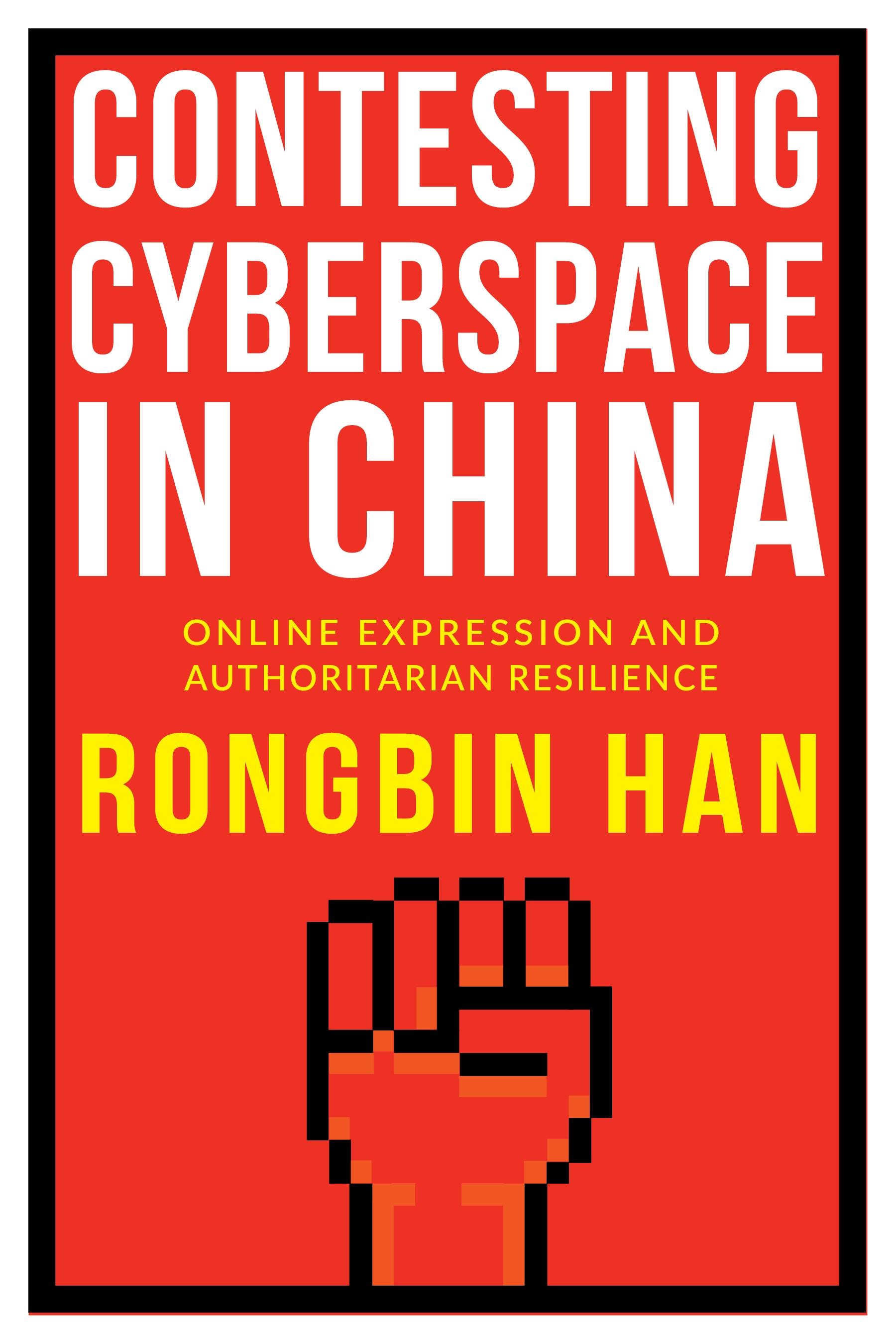
The Internet was supposed to be an antidote to authoritarianism. It can enable citizens to express themselves freely and organize outside state control. Yet while online activity has helped challenge authoritarian rule in some cases, other regimes have endured: no movement comparable to the Arab Spring has arisen in China. In Contesting Cyberspace in China, Rongbin Han offers a powerful counterintuitive explanation for the survival of the world’s largest authoritarian regime in the digital age.
Han reveals the complex internal dynamics of online expression in China, showing how the state, service providers, and netizens negotiate the limits of discourse. He finds that state censorship has conditioned online expression, yet has failed to bring it under control. However, Han also finds that freer expression may work to the advantage of the regime because its critics are not the only ones empowered: the Internet has proved less threatening than expected due to the multiplicity of beliefs, identities, and values online. State-sponsored and spontaneous pro-government commenters have turned out to be a major presence on the Chinese internet, denigrating dissenters and barraging oppositional voices. Han explores the recruitment, training, and behavior of hired commenters, the “fifty-cent army,” as well as group identity formation among nationalistic Internet posters who see themselves as patriots defending China against online saboteurs. Drawing on a rich set of data collected through interviews, participant observation, and long-term online ethnography, as well as official reports and state directives, Contesting Cyberspace in China interrogates our assumptions about authoritarian resilience and the democratizing power of the Internet.
Before Memmo my notes were scattered across PDFs. Now a workspace pulls everything into one place — I see exactly what's still left to study.
Memmo's summaries are gold before exams. I don't have to re-read 800 pages two weeks before — just the important parts.
The AI chat has saved me the night before an exam more than once. I just keep asking until I get it — no waiting on a study group to reply.
The quizzes hit exactly what I need to know. Memmo tracks what I get stuck on — so I only practice what's worth it.
Flashcards with spaced repetition are magic. Memmo knows when I'm about to forget something and brings it back.
The AI podcasts are my favorite. I listen on my way to school and get a recap without sitting at a computer.

Handbok i kvalitativa metoder
281 kr

Hållbar utveckling: en introduktion för ingenjörer och andra problemlösare
334 kr

Brymans Samhällsvetenskapliga metoder
390 kr

Projektledning
491 kr

Den orättvisa hälsan: om socioekonomiska skillnader i hälsa och livslängd
326 kr

Vetenskapsteori för nybörjare
196 kr

Organizational Leadership
429 kr

På väg mot läraryrket
172 kr

Det sociala livet i skolan: Socialpsykologiska perspektiv
253 kr

Betygsättningens didaktik
151 kr

Personality
402 kr

Studying Leadership
404 kr

Managing Innovation
477 kr

Introduktion till samhällsvetenskaplig metod
347 kr

The Psychology of Sex and Gender
698 kr

Evidens och kunskap för socialt arbete
207 kr

Introduction to Leadership
605 kr