
Before Memmo my notes were scattered across PDFs. Now a workspace pulls everything into one place — I see exactly what's still left to study.
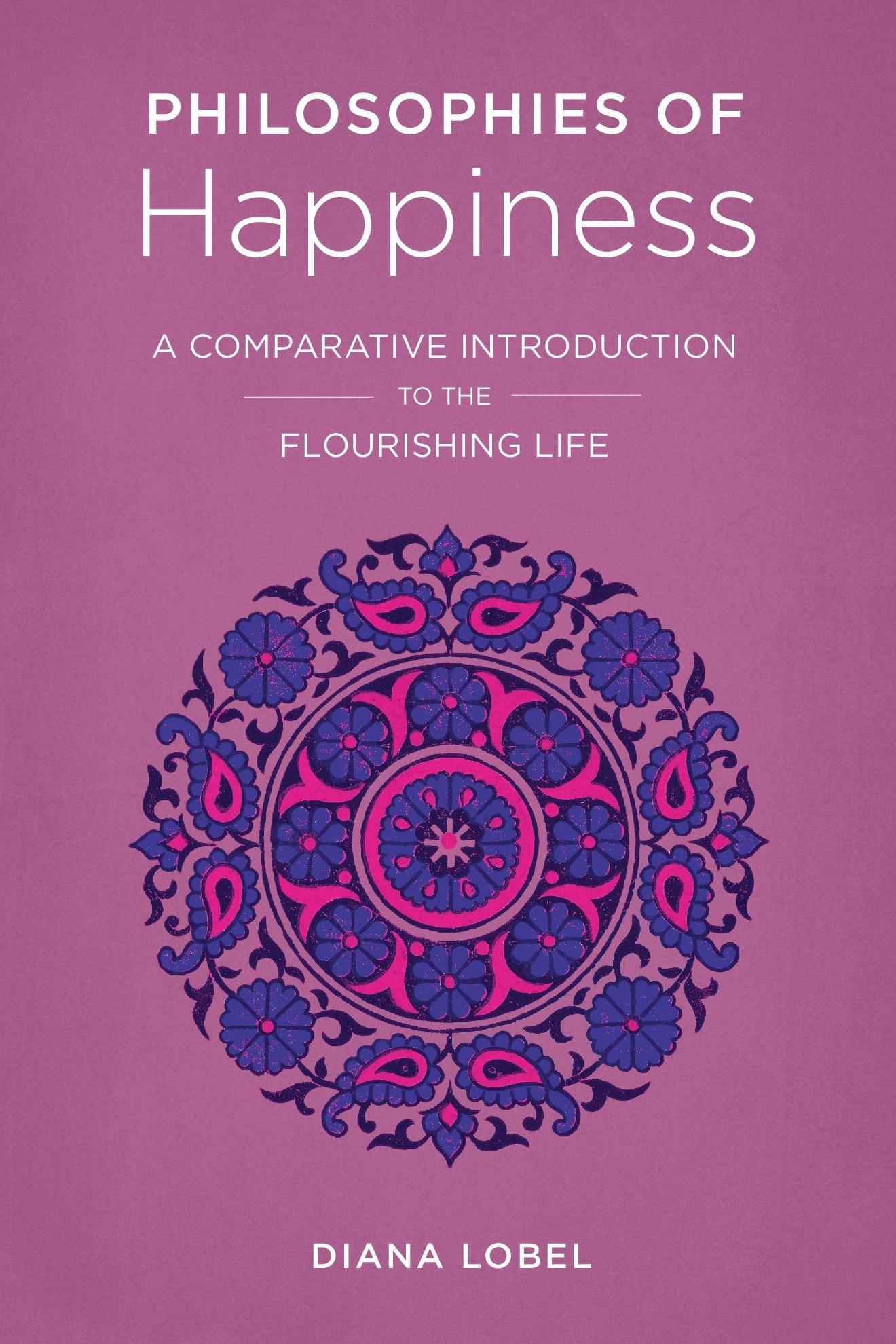
What does it mean to be truly happy? In Philosophies of Happiness, Diana Lobel provides a rich spectrum of arguments for a theory of happiness as flourishing or well-being, offering a global, cross-cultural, and interdisciplinary perspective on how to create a vital, fulfilling, and significant life. Drawing upon perspectives from a broad range of philosophical traditions—Eastern and Western, ancient and contemporary—the book suggests that just as physical health is the well-being of the body, happiness is the healthy and flourishing condition of the whole human being, and we experience the most complete happiness when we realize our potential through creative engagement.
Lobel shows that while thick descriptions of happiness differ widely in texture and detail, certain themes resonate across texts from different traditions and historical contexts, suggesting core features of a happy life: attentive awareness; effortless action; relationship and connection to a larger, interconnected community; love or devotion; and creative engagement. Each feature adds meaning, significance, and value, so that we can craft lives of worth and purpose. These themes emerge from careful study of philosophical and religious texts and traditions: the Greek philosophers Aristotle and Epicurus; the Chinese traditions of Confucius, Laozi, and Zhuangzi; the Hindu Bhagavad Gītā; the Japanese Buddhist tradition of Soto Zen master Dōgen and his modern expositor Shunryu Suzuki; the Western religious traditions of Augustine and Maimonides; the Persian Sufi tale Conference of the Birds; and contemporary research on mindfulness and creativity. Written in a clear, accessible style, Philosophies of Happiness invites readers of all backgrounds to explore and engage with religious and philosophical conceptions of what makes life meaningful.
Visit https://cup.columbia.edu/extras/supplement/philosophies-of-happiness for additional appendixes and supplemental notes.
Before Memmo my notes were scattered across PDFs. Now a workspace pulls everything into one place — I see exactly what's still left to study.
Memmo's summaries are gold before exams. I don't have to re-read 800 pages two weeks before — just the important parts.
The AI chat has saved me the night before an exam more than once. I just keep asking until I get it — no waiting on a study group to reply.
The quizzes hit exactly what I need to know. Memmo tracks what I get stuck on — so I only practice what's worth it.
Flashcards with spaced repetition are magic. Memmo knows when I'm about to forget something and brings it back.
The AI podcasts are my favorite. I listen on my way to school and get a recap without sitting at a computer.

Handbok i kvalitativa metoder
281 kr

Hållbar utveckling: en introduktion för ingenjörer och andra problemlösare
334 kr

Brymans Samhällsvetenskapliga metoder
390 kr

Projektledning
491 kr

Den orättvisa hälsan: om socioekonomiska skillnader i hälsa och livslängd
326 kr

Vetenskapsteori för nybörjare
196 kr

Organizational Leadership
429 kr

På väg mot läraryrket
172 kr

Det sociala livet i skolan: Socialpsykologiska perspektiv
253 kr

Betygsättningens didaktik
151 kr

Personality
402 kr

Studying Leadership
404 kr

Managing Innovation
477 kr

Introduktion till samhällsvetenskaplig metod
347 kr

The Psychology of Sex and Gender
698 kr

Evidens och kunskap för socialt arbete
207 kr

Introduction to Leadership
605 kr