
Before Memmo my notes were scattered across PDFs. Now a workspace pulls everything into one place — I see exactly what's still left to study.
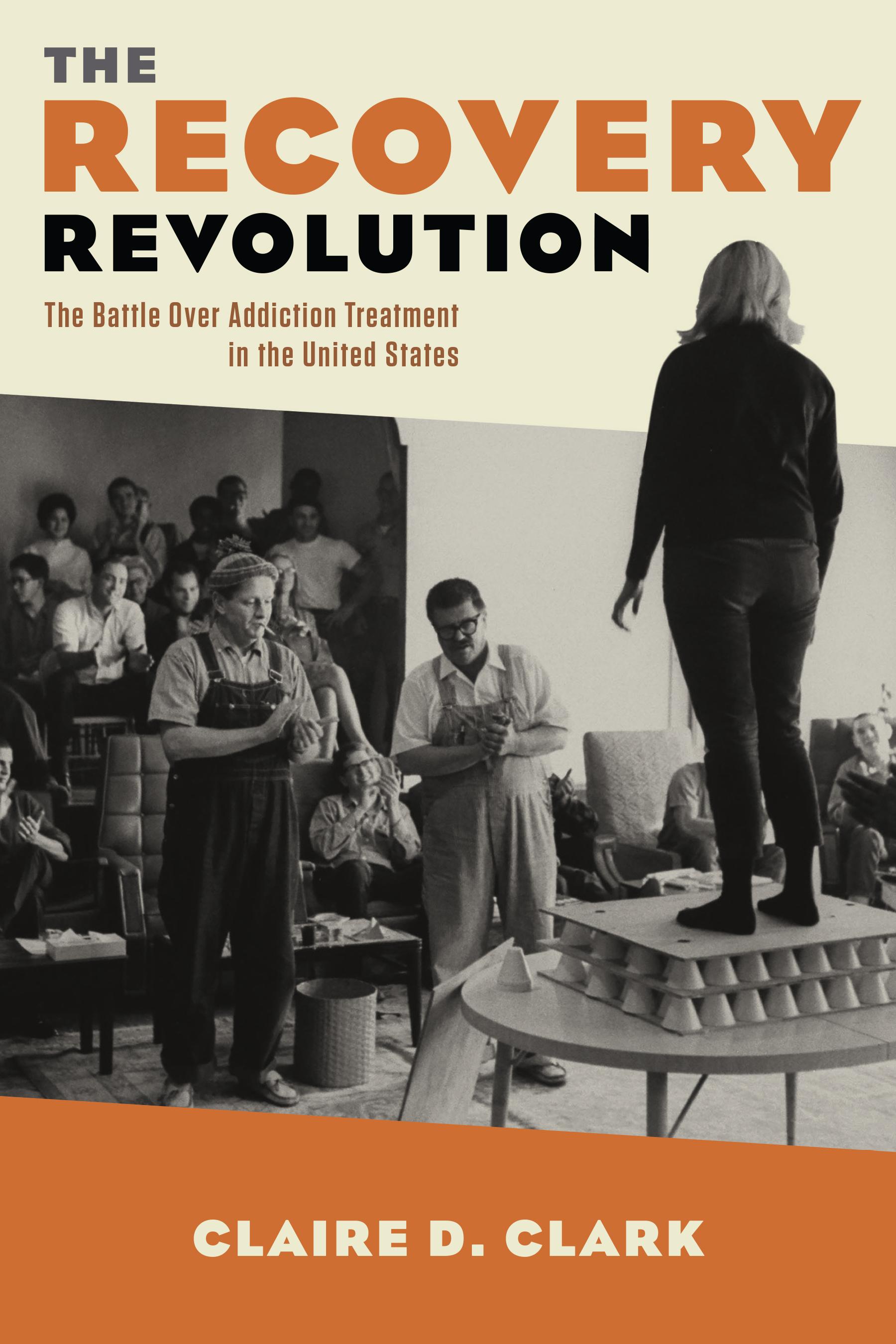
In the 1960s, as illegal drug use grew from a fringe issue to a pervasive public concern, a new industry arose to treat the addiction epidemic. Over the next five decades, the industry's leaders promised to rehabilitate the casualties of the drug culture even as incarceration rates for drug-related offenses climbed. In this history of addiction treatment, Claire D. Clark traces the political shift from the radical communitarianism of the 1960s to the conservatism of the Reagan era, uncovering the forgotten origins of today's recovery movement.
Based on extensive interviews with drug-rehabilitation professionals and archival research, The Recovery Revolution locates the history of treatment activists' influence on the development of American drug policy. Synanon, a controversial drug-treatment program launched in California in 1958, emphasized a community-based approach to rehabilitation. Its associates helped develop the therapeutic community (TC) model, which encouraged peer confrontation as a path to recovery. As TC treatment pioneers made mutual aid profitable, the model attracted powerful supporters and spread rapidly throughout the country. The TC approach was supported as part of the Nixon administration's "law-and-order" policies, favored in the Reagan administration's antidrug campaigns, and remained relevant amid the turbulent drug policies of the late twentieth and early twenty-first centuries. While many contemporary critics characterize American drug policy as simply the expression of moralizing conservatism or a mask for racial oppression, Clark recounts the complicated legacy of the "ex-addict" activists who turned drug treatment into both a product and a political symbol that promoted the impossible dream of a drug-free America.
Before Memmo my notes were scattered across PDFs. Now a workspace pulls everything into one place — I see exactly what's still left to study.
Memmo's summaries are gold before exams. I don't have to re-read 800 pages two weeks before — just the important parts.
The AI chat has saved me the night before an exam more than once. I just keep asking until I get it — no waiting on a study group to reply.
The quizzes hit exactly what I need to know. Memmo tracks what I get stuck on — so I only practice what's worth it.
Flashcards with spaced repetition are magic. Memmo knows when I'm about to forget something and brings it back.
The AI podcasts are my favorite. I listen on my way to school and get a recap without sitting at a computer.

Handbok i kvalitativa metoder
281 kr

Hållbar utveckling: en introduktion för ingenjörer och andra problemlösare
334 kr

Brymans Samhällsvetenskapliga metoder
390 kr

Projektledning
491 kr

Den orättvisa hälsan: om socioekonomiska skillnader i hälsa och livslängd
326 kr

Vetenskapsteori för nybörjare
196 kr

Organizational Leadership
429 kr

På väg mot läraryrket
172 kr

Det sociala livet i skolan: Socialpsykologiska perspektiv
253 kr

Betygsättningens didaktik
151 kr

Personality
402 kr

Studying Leadership
404 kr

Managing Innovation
477 kr

Introduktion till samhällsvetenskaplig metod
347 kr

The Psychology of Sex and Gender
698 kr

Evidens och kunskap för socialt arbete
207 kr

Introduction to Leadership
605 kr