
Before Memmo my notes were scattered across PDFs. Now a workspace pulls everything into one place — I see exactly what's still left to study.
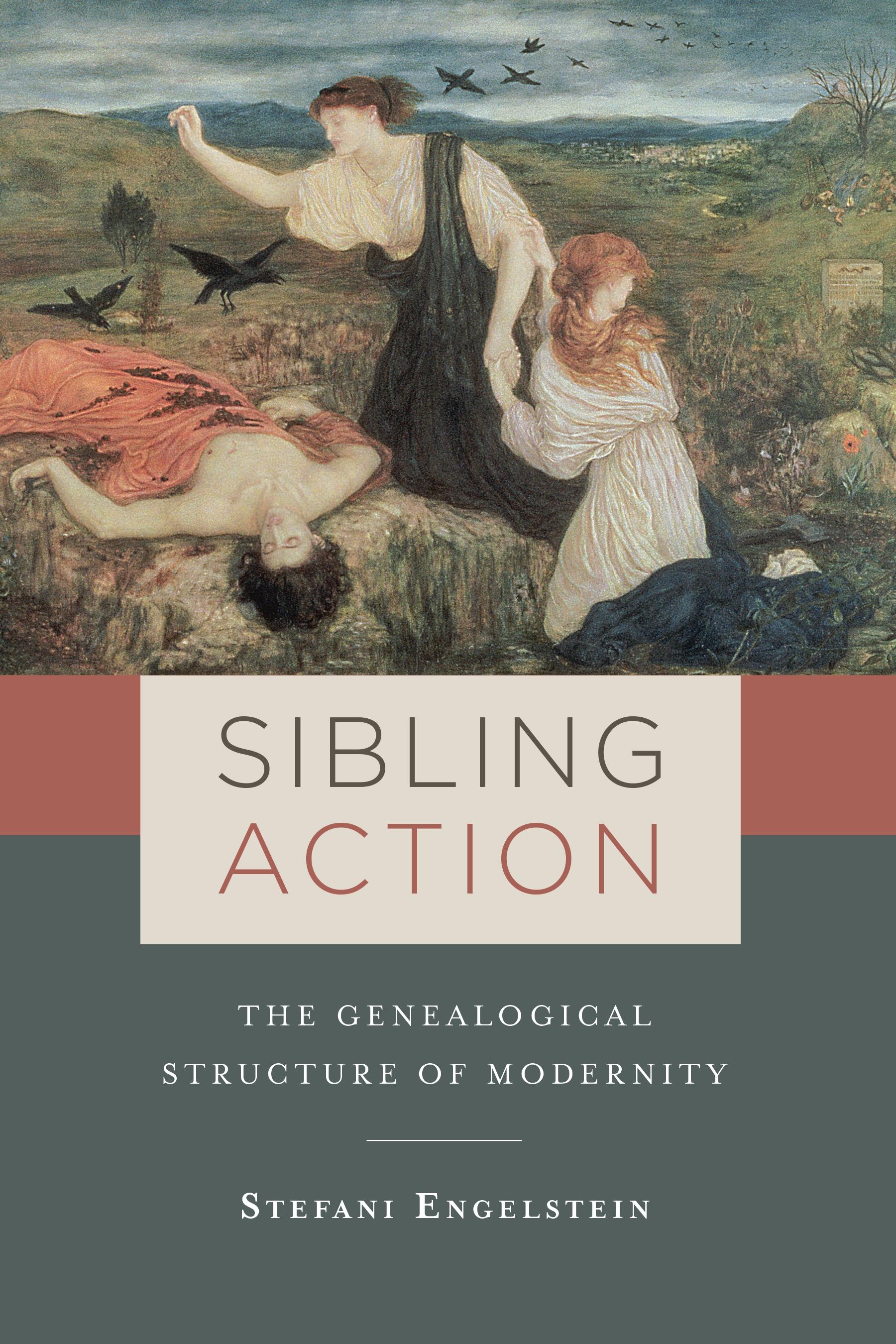
The sibling stands out as a ubiquitous—yet unacknowledged—conceptual touchstone across the European long nineteenth century. Beginning in the late eighteenth century, Europeans embarked on a new way of classifying the world, devising genealogies that determined degrees of relatedness by tracing heritage through common ancestry. This methodology organized historical systems into family trees in a wide array of new disciplines, transforming into siblings the closest contemporaneous terms on trees of languages, religions, races, nations, species, or individuals. In literature, a sudden proliferation of siblings—often incestuously inclined—negotiated this confluence of knowledge and identity. In all genealogical systems the sibling term, not quite same and not quite other, serves as an active fault line, necessary for and yet continuously destabilizing definition and classification.
In her provocative book, Stefani Engelstein argues that this pervasive relational paradigm shaped the modern subject, life sciences, human sciences, and collective identities such as race, religion, and gender. The insecurity inherent to the sibling structure renders the systems it underwrites fluid. It therefore offers dynamic potential, but also provokes counterreactions such as isolationist theories of subjectivity, the political exclusion of sisters from fraternal equality, the tyranny of intertwined economic and kinship theories, conflicts over natural kinds and evolutionary speciation, and invidious anthropological and philological classifications of Islam and Judaism. Integrating close readings across the disciplines with panoramic intellectual history and arresting literary interpretations, Sibling Action presents a compelling new understanding of systems of knowledge and provides the foundation for less confrontational formulations of belonging, identity, and agency.
Before Memmo my notes were scattered across PDFs. Now a workspace pulls everything into one place — I see exactly what's still left to study.
Memmo's summaries are gold before exams. I don't have to re-read 800 pages two weeks before — just the important parts.
The AI chat has saved me the night before an exam more than once. I just keep asking until I get it — no waiting on a study group to reply.
The quizzes hit exactly what I need to know. Memmo tracks what I get stuck on — so I only practice what's worth it.
Flashcards with spaced repetition are magic. Memmo knows when I'm about to forget something and brings it back.
The AI podcasts are my favorite. I listen on my way to school and get a recap without sitting at a computer.

Handbok i kvalitativa metoder
281 kr

Hållbar utveckling: en introduktion för ingenjörer och andra problemlösare
334 kr

Brymans Samhällsvetenskapliga metoder
390 kr

Projektledning
491 kr

Den orättvisa hälsan: om socioekonomiska skillnader i hälsa och livslängd
326 kr

Organizational Leadership
429 kr

Vetenskapsteori för nybörjare
196 kr

På väg mot läraryrket
172 kr

Det sociala livet i skolan: Socialpsykologiska perspektiv
253 kr

Betygsättningens didaktik
151 kr

Personality
402 kr

Studying Leadership
404 kr

Managing Innovation
477 kr

Introduktion till samhällsvetenskaplig metod
347 kr

The Psychology of Sex and Gender
698 kr

Evidens och kunskap för socialt arbete
207 kr

Introduction to Leadership
605 kr