
Before Memmo my notes were scattered across PDFs. Now a workspace pulls everything into one place — I see exactly what's still left to study.
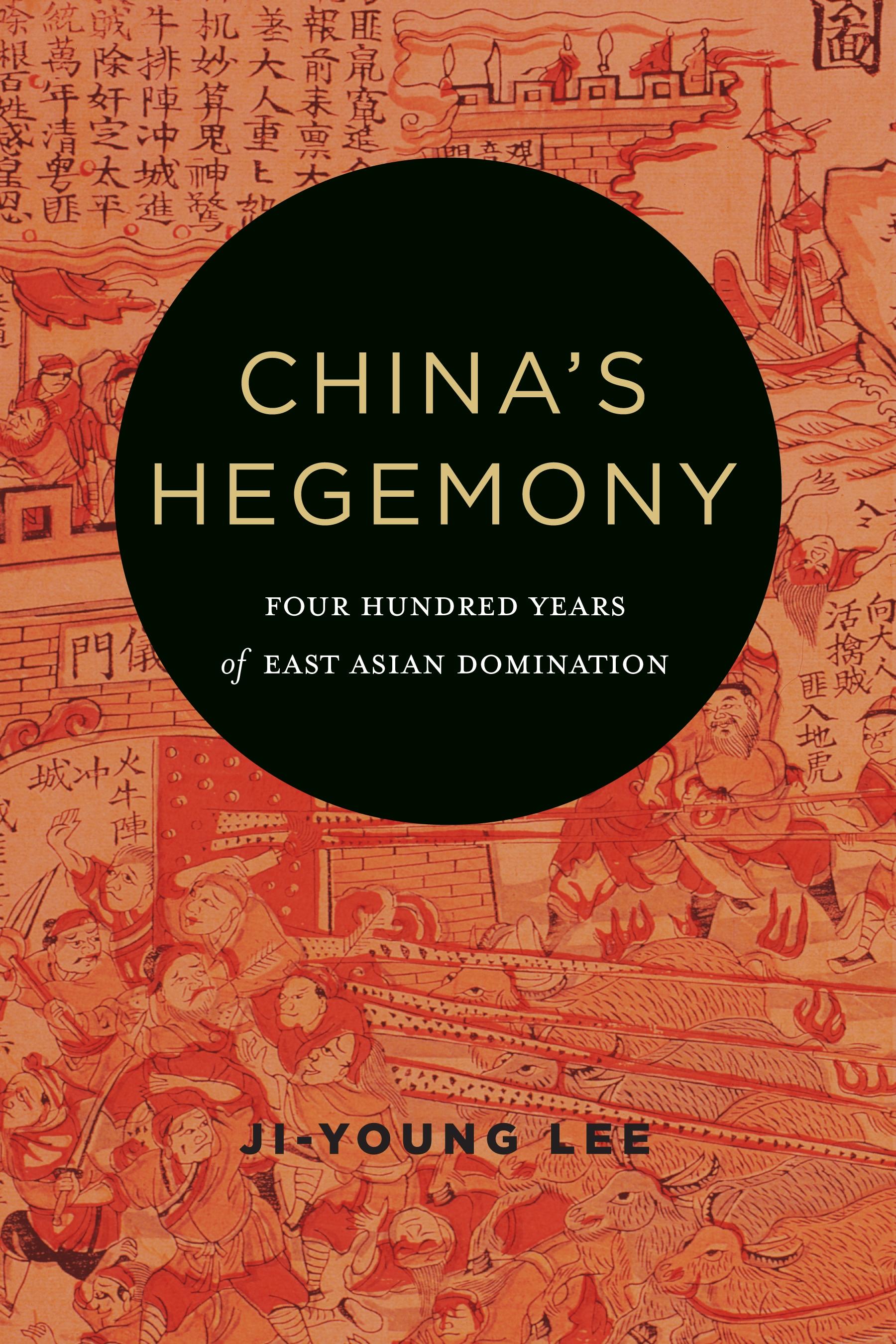
Many have viewed the tribute system as China's tool for projecting its power and influence in East Asia, treating other actors as passive recipients of Chinese domination. China's Hegemony sheds new light on this system and shows that the international order of Asia's past was not as Sinocentric as conventional wisdom suggests. Instead, throughout the early modern period, Chinese hegemony was accepted, defied, and challenged by its East Asian neighbors at different times, depending on these leaders' strategies for legitimacy among their populations. This book demonstrates that Chinese hegemony and hierarchy were not just an outcome of China's military power or Confucian culture but were constructed while interacting with other, less powerful actors' domestic political needs, especially in conjunction with internal power struggles.
Focusing on China-Korea-Japan dynamics of East Asian international politics during the Ming and High Qing periods, Ji-Young Lee draws on extensive research of East Asian language sources, including records written by Chinese and Korean tributary envoys. She offers fascinating and rich details of war and peace in Asian international relations, addressing questions such as: why Japan invaded Korea and fought a major war against the Sino-Korean coalition in the late sixteenth century; why Korea attempted to strike at the Ming empire militarily in the late fourteenth century; and how Japan created a miniature tributary order posing as the center of Asia in lieu of the Qing empire in the seventeenth century. By exploring these questions, Lee's in-depth study speaks directly to general international relations literature and concludes that hegemony in Asia was a domestic, as well as an international phenomenon with profound implications for the contemporary era.
Before Memmo my notes were scattered across PDFs. Now a workspace pulls everything into one place — I see exactly what's still left to study.
Memmo's summaries are gold before exams. I don't have to re-read 800 pages two weeks before — just the important parts.
The AI chat has saved me the night before an exam more than once. I just keep asking until I get it — no waiting on a study group to reply.
The quizzes hit exactly what I need to know. Memmo tracks what I get stuck on — so I only practice what's worth it.
Flashcards with spaced repetition are magic. Memmo knows when I'm about to forget something and brings it back.
The AI podcasts are my favorite. I listen on my way to school and get a recap without sitting at a computer.

Handbok i kvalitativa metoder
281 kr

Hållbar utveckling: en introduktion för ingenjörer och andra problemlösare
334 kr

Brymans Samhällsvetenskapliga metoder
390 kr

Projektledning
491 kr

Den orättvisa hälsan: om socioekonomiska skillnader i hälsa och livslängd
326 kr

Vetenskapsteori för nybörjare
196 kr

Organizational Leadership
429 kr

På väg mot läraryrket
172 kr

Det sociala livet i skolan: Socialpsykologiska perspektiv
253 kr

Betygsättningens didaktik
151 kr

Personality
402 kr

Studying Leadership
404 kr

Managing Innovation
477 kr

Introduktion till samhällsvetenskaplig metod
347 kr

The Psychology of Sex and Gender
698 kr

Evidens och kunskap för socialt arbete
207 kr

Introduction to Leadership
605 kr