
Before Memmo my notes were scattered across PDFs. Now a workspace pulls everything into one place — I see exactly what's still left to study.
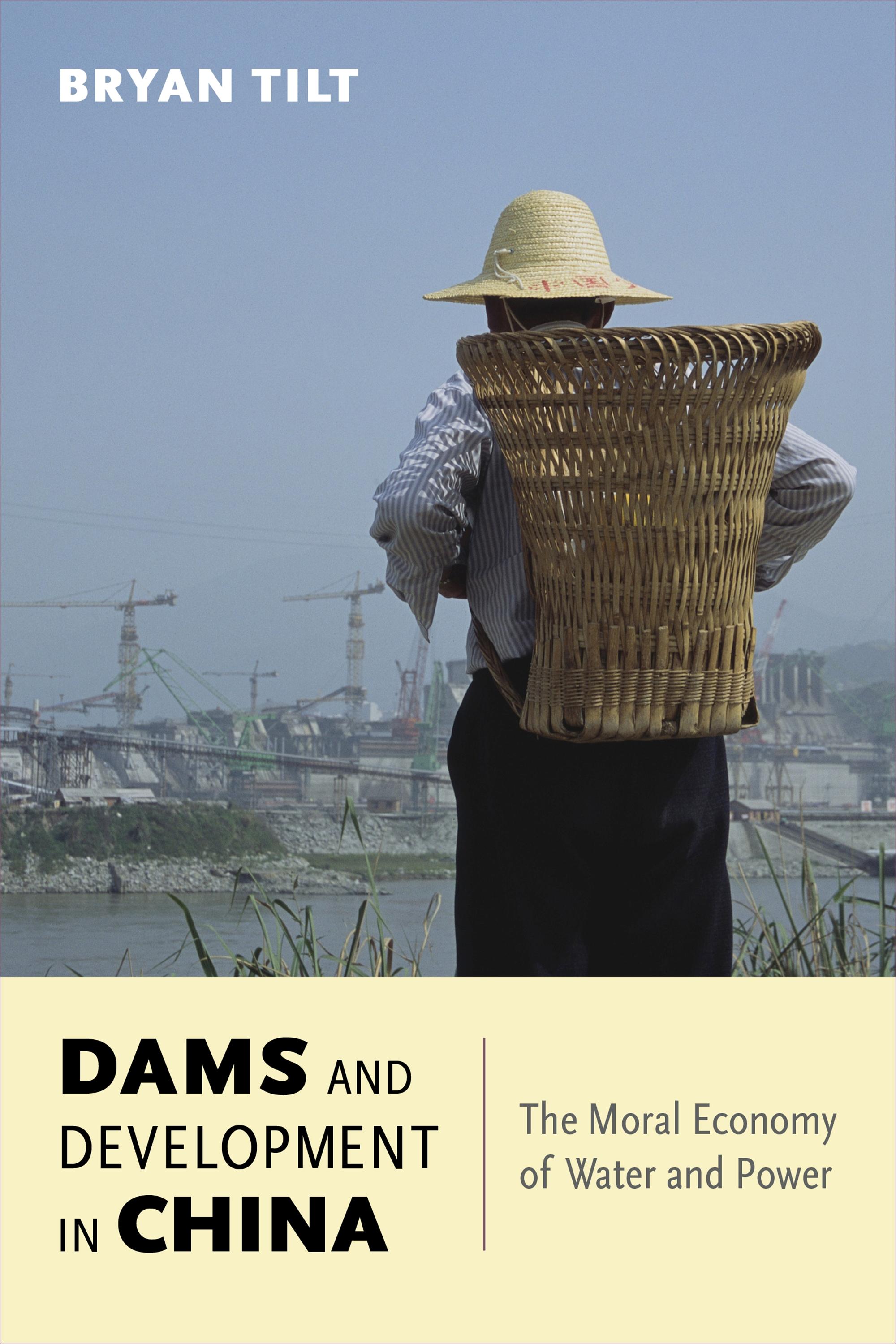
China is home to half of the world's large dams and adds dozens more each year. The benefits are considerable: dams deliver hydropower, provide reliable irrigation water, protect people and farmland against flooding, and produce hydroelectricity in a nation with a seeimingly insatiable appetite for energy. As hydropower responds to a larger share of energy demand, dams may also help to reduce the consumption of fossil fuels, welcome news in a country where air and water pollution have become dire and greenhouse gas emissions are the highest in the world.
Yet the advantages of dams come at a high cost for river ecosystems and for the social and economic well-being of local people, who face displacement and farmland loss. This book examines the array of water-management decisions faced by Chinese leaders and their consequences for local communities. Focusing on the southwestern province of Yunnan—a major hub for hydropower development in China—which encompasses one of the world's most biodiverse temperate ecosystems and one of China's most ethnically and culturally rich regions, Bryan Tilt takes the reader from the halls of decision-making power in Beijing to Yunnan's rural villages. In the process, he examines the contrasting values of government agencies, hydropower corporations, NGOs, and local communities and explores how these values are linked to longstanding cultural norms about what is right, proper, and just. He also considers the various strategies these groups use to influence water-resource policy, including advocacy, petitioning, and public protest. Drawing on a decade of research, he offers his insights on whether the world's most populous nation will adopt greater transparency, increased scientific collaboration, and broader public participation as it continues to grow economically.
Before Memmo my notes were scattered across PDFs. Now a workspace pulls everything into one place — I see exactly what's still left to study.
Memmo's summaries are gold before exams. I don't have to re-read 800 pages two weeks before — just the important parts.
The AI chat has saved me the night before an exam more than once. I just keep asking until I get it — no waiting on a study group to reply.
The quizzes hit exactly what I need to know. Memmo tracks what I get stuck on — so I only practice what's worth it.
Flashcards with spaced repetition are magic. Memmo knows when I'm about to forget something and brings it back.
The AI podcasts are my favorite. I listen on my way to school and get a recap without sitting at a computer.

Handbok i kvalitativa metoder
281 kr

Hållbar utveckling: en introduktion för ingenjörer och andra problemlösare
334 kr

Brymans Samhällsvetenskapliga metoder
390 kr

Projektledning
491 kr

Den orättvisa hälsan: om socioekonomiska skillnader i hälsa och livslängd
326 kr

Organizational Leadership
429 kr

Vetenskapsteori för nybörjare
196 kr

På väg mot läraryrket
172 kr

Det sociala livet i skolan: Socialpsykologiska perspektiv
253 kr

Betygsättningens didaktik
151 kr

Personality
402 kr

Studying Leadership
404 kr

Managing Innovation
477 kr

Introduktion till samhällsvetenskaplig metod
347 kr

The Psychology of Sex and Gender
698 kr

Evidens och kunskap för socialt arbete
207 kr

Introduction to Leadership
605 kr