
Before Memmo my notes were scattered across PDFs. Now a workspace pulls everything into one place — I see exactly what's still left to study.
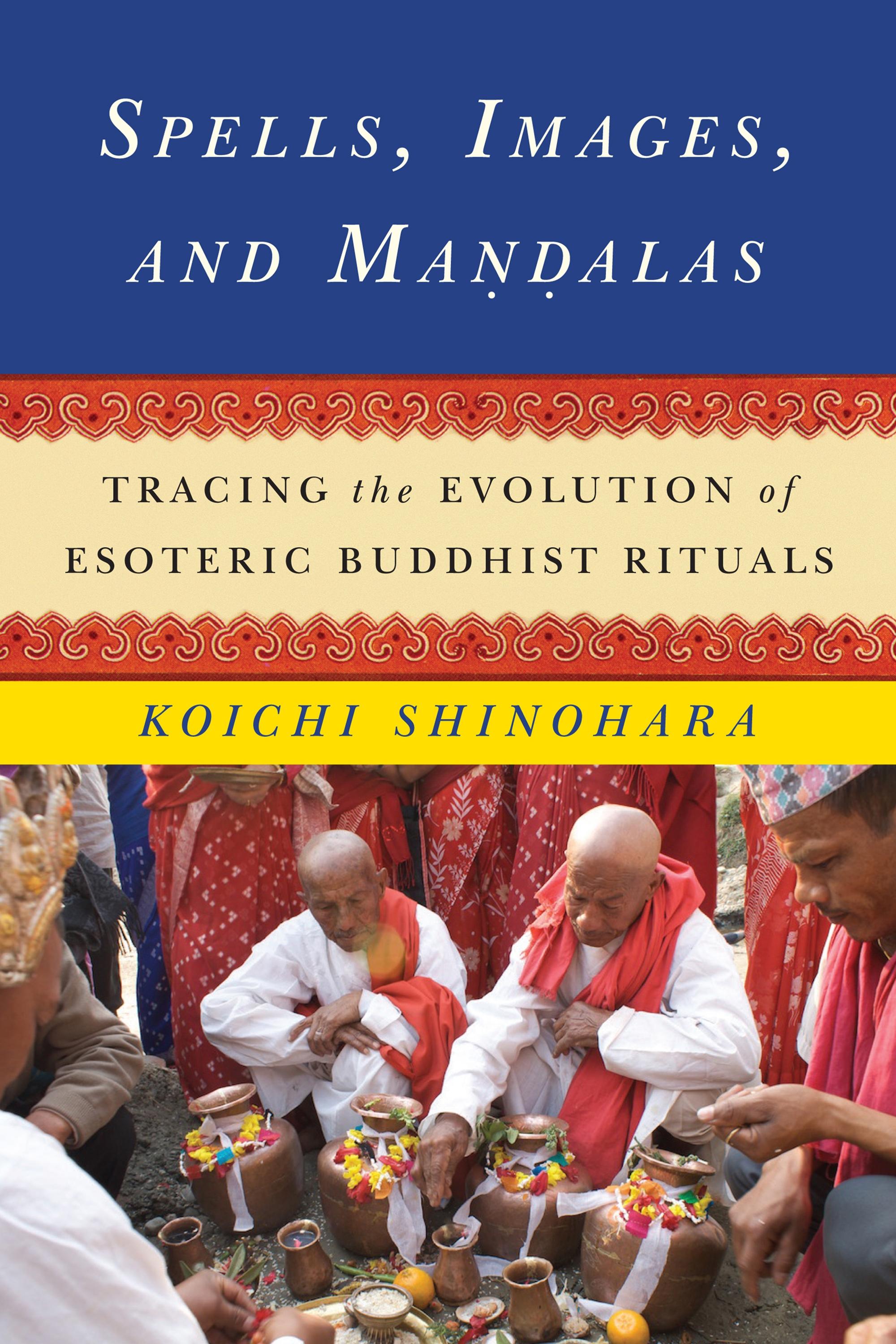
Koichi Shinohara traces the evolution of Esoteric Buddhist rituals from the simple recitation of spells in the fifth century to complex systems involving image worship, mandala initiation, and visualization practices in the ninth century. He presents an important new reading of a seventh-century Chinese text called the Collected Dharani Sutras, which shows how earlier rituals for specific deities were synthesized into a general Esoteric initiation ceremony and how, for the first time, the notion of an Esoteric Buddhist pantheon emerged.
In the Collected Dharani Sutras, rituals for specific deities were typically performed around images of the deities, yet Esoteric Buddhist rituals in earlier sources involved the recitation of spells rather than the use of images. The first part of this study explores how such simpler rituals came to be associated with the images of specific deities and ultimately gave rise to the general Esoteric initiation ceremony described in the crucial example of the All-Gathering mandala ritual in the Collected Dharani Sutras. The visualization practices so important to later Esoteric Buddhist rituals were absent from this ceremony, and their introduction would fundamentally change Esoteric Buddhist practice.
This study examines the translations of dharani sutras made by Bodhiruci in the early eighth century and later Esoteric texts, such as Yixing's commentary on the Mahavairocana sutra and Amoghavajra's ritual manuals, to show how incorporation of visualization greatly enriched Esoteric rituals and helped develop elaborate iconographies for the deities. Over time, the ritual function of images became less certain, and the emphasis shifted toward visualization. This study clarifies the complex relationship between images and ritual, changing how we perceive Esoteric Buddhist art as well as ritual.
Before Memmo my notes were scattered across PDFs. Now a workspace pulls everything into one place — I see exactly what's still left to study.
Memmo's summaries are gold before exams. I don't have to re-read 800 pages two weeks before — just the important parts.
The AI chat has saved me the night before an exam more than once. I just keep asking until I get it — no waiting on a study group to reply.
The quizzes hit exactly what I need to know. Memmo tracks what I get stuck on — so I only practice what's worth it.
Flashcards with spaced repetition are magic. Memmo knows when I'm about to forget something and brings it back.
The AI podcasts are my favorite. I listen on my way to school and get a recap without sitting at a computer.

Handbok i kvalitativa metoder
281 kr

Hållbar utveckling: en introduktion för ingenjörer och andra problemlösare
334 kr

Brymans Samhällsvetenskapliga metoder
390 kr

Projektledning
491 kr

Den orättvisa hälsan: om socioekonomiska skillnader i hälsa och livslängd
326 kr

Vetenskapsteori för nybörjare
196 kr

Organizational Leadership
429 kr

På väg mot läraryrket
172 kr

Det sociala livet i skolan: Socialpsykologiska perspektiv
253 kr

Betygsättningens didaktik
151 kr

Personality
402 kr

Studying Leadership
404 kr

Managing Innovation
477 kr

Introduktion till samhällsvetenskaplig metod
347 kr

The Psychology of Sex and Gender
698 kr

Evidens och kunskap för socialt arbete
207 kr

Introduction to Leadership
605 kr