
Before Memmo my notes were scattered across PDFs. Now a workspace pulls everything into one place — I see exactly what's still left to study.
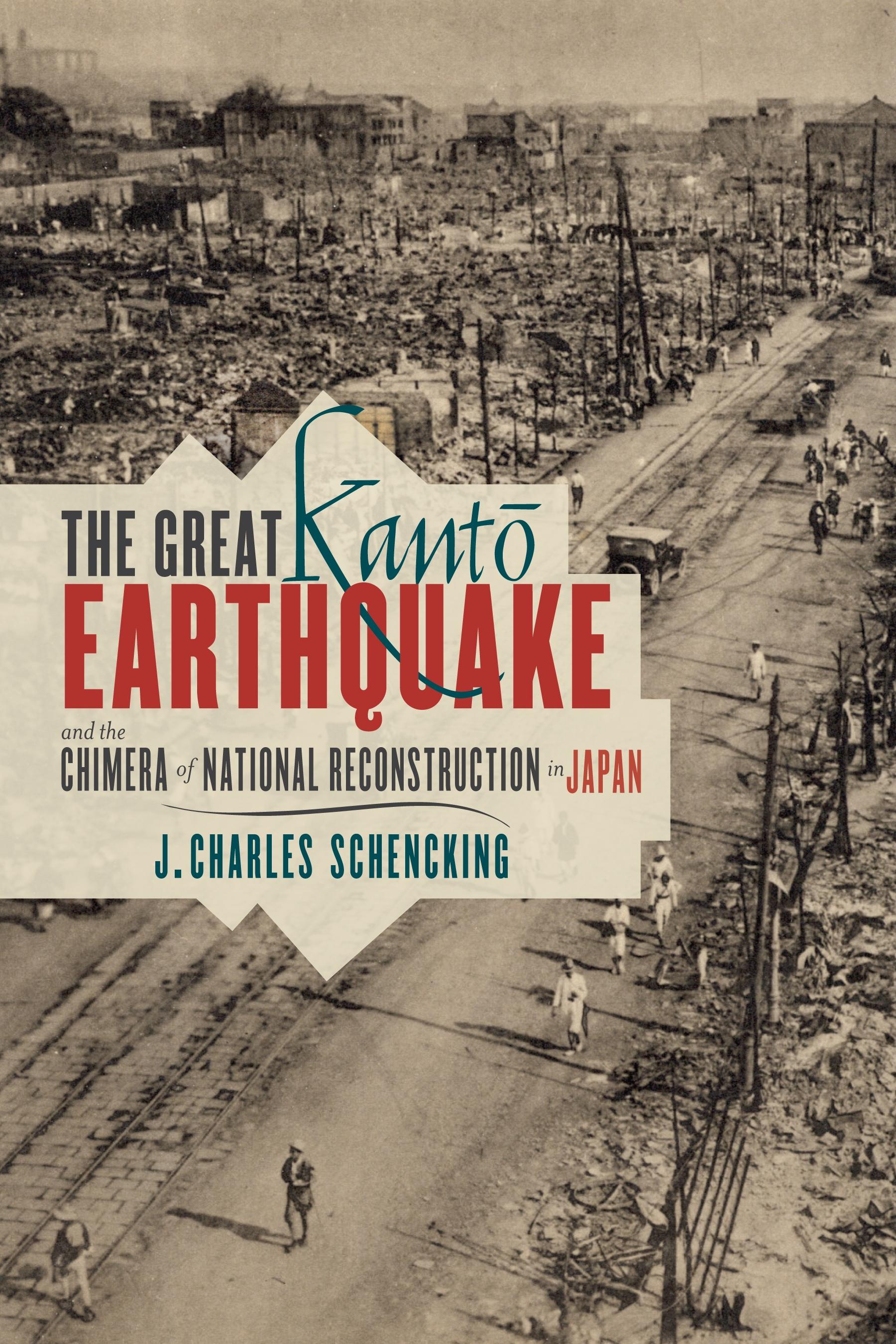
In September 1923, a magnitude 7.9 earthquake devastated eastern Japan, killing more than 120,000 people and leaving two million homeless. Using a rich array of source material, J. Charles Schencking tells for the first time the graphic tale of Tokyo's destruction and rebirth. In emotive prose, he documents how the citizens of Tokyo experienced this unprecedented calamity and explores the ways in which it rattled people's deep-seated anxieties about modernity. While explaining how and why the disaster compelled people to reflect on Japanese society, he also examines how reconstruction encouraged the capital's inhabitants to entertain new types of urbanism as they rebuilt their world.
Some residents hoped that a grandiose metropolis, reflecting new values, would rise from the ashes of disaster-ravaged Tokyo. Many, however, desired a quick return of the city they once called home. Opportunistic elites advocated innovative state infrastructure to better manage the daily lives of Tokyo residents. Others focused on rejuvenating society—morally, economically, and spiritually—to combat the perceived degeneration of Japan. Schencking explores the inspiration behind these dreams and the extent to which they were realized. He investigates why Japanese citizens from all walks of life responded to overtures for renewal with varying degrees of acceptance, ambivalence, and resistance. His research not only sheds light on Japan's experience with and interpretation of the earthquake but challenges widespread assumptions that disasters unite stricken societies, creating a "blank slate" for radical transformation. National reconstruction in the wake of the Great Kanto Earthquake, Schencking demonstrates, proved to be illusive.
Before Memmo my notes were scattered across PDFs. Now a workspace pulls everything into one place — I see exactly what's still left to study.
Memmo's summaries are gold before exams. I don't have to re-read 800 pages two weeks before — just the important parts.
The AI chat has saved me the night before an exam more than once. I just keep asking until I get it — no waiting on a study group to reply.
The quizzes hit exactly what I need to know. Memmo tracks what I get stuck on — so I only practice what's worth it.
Flashcards with spaced repetition are magic. Memmo knows when I'm about to forget something and brings it back.
The AI podcasts are my favorite. I listen on my way to school and get a recap without sitting at a computer.

Handbok i kvalitativa metoder
281 kr

Hållbar utveckling: en introduktion för ingenjörer och andra problemlösare
334 kr

Brymans Samhällsvetenskapliga metoder
390 kr

Projektledning
491 kr

Den orättvisa hälsan: om socioekonomiska skillnader i hälsa och livslängd
326 kr

Vetenskapsteori för nybörjare
196 kr

Organizational Leadership
429 kr

På väg mot läraryrket
172 kr

Det sociala livet i skolan: Socialpsykologiska perspektiv
253 kr

Betygsättningens didaktik
151 kr

Personality
402 kr

Studying Leadership
404 kr

Managing Innovation
477 kr

Introduktion till samhällsvetenskaplig metod
347 kr

The Psychology of Sex and Gender
698 kr

Evidens och kunskap för socialt arbete
207 kr

Introduction to Leadership
605 kr