
Before Memmo my notes were scattered across PDFs. Now a workspace pulls everything into one place — I see exactly what's still left to study.
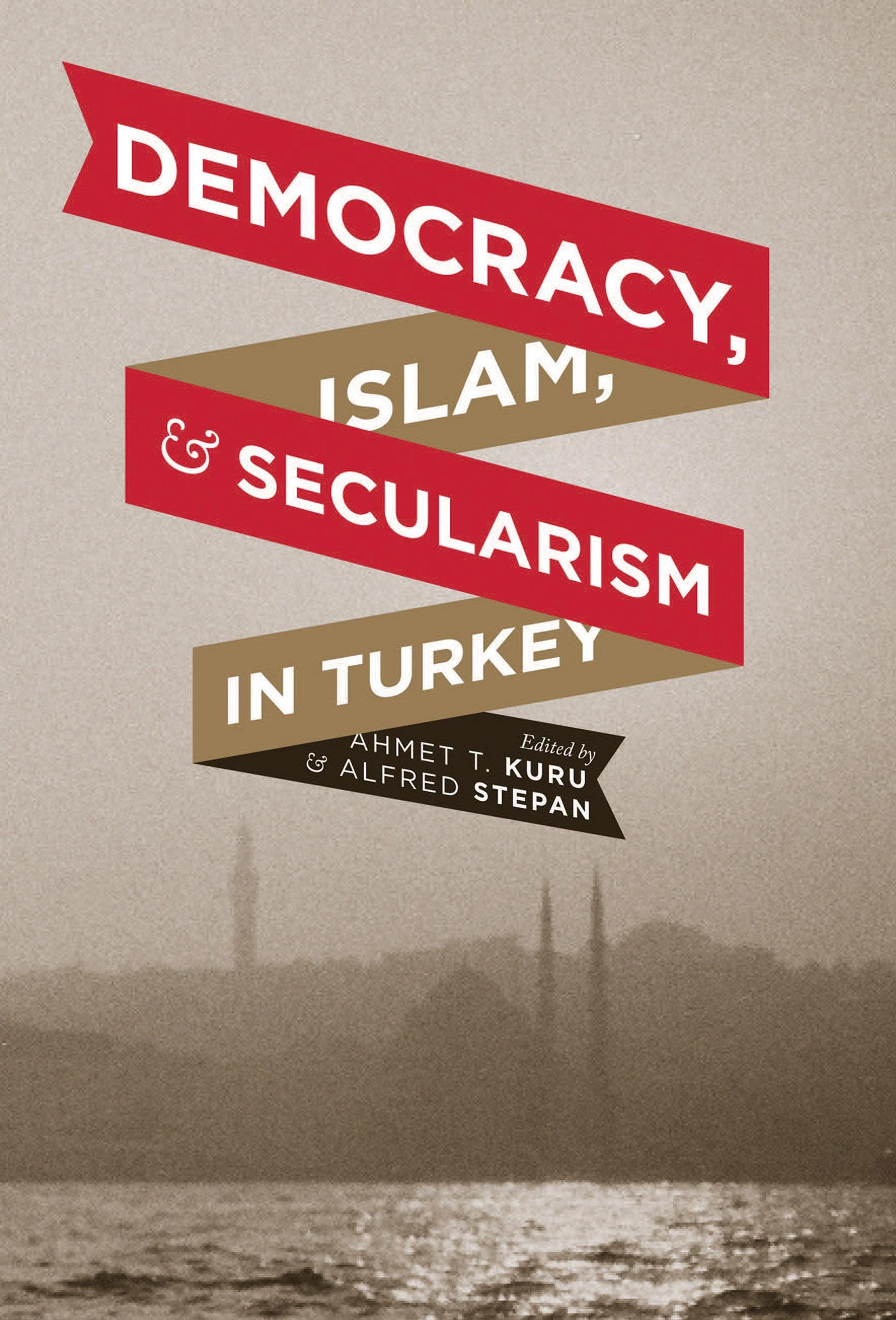
While Turkey has grown as a world power, promoting the image of a progressive and stable nation, several choices in policy have strained its relationship with the East and the West. Providing historical, social, and religious context for this behavior, the essays in Democracy, Islam, and Secularism in Turkey examine issues relevant to Turkish debates and global concerns, from the state's position on religion to its involvement with the European Union.
Written by experts in a range of disciplines, the chapters explore the toleration of diversity during the Ottoman Empire's classical period; the erosion of ethno-religious heterogeneity in modern, pre-democratic times; Kemalism and its role in modernization and nation building; the changing political strategies of the military; and the effect of possible EU membership on domestic reforms. The essays also offer a cross-Continental comparison of "multiple secularisms," as well as political parties, considering especially Turkey's Justice and Development Party in relation to Europe's Christian Democratic parties. Contributors tackle critical research questions, such as the legacy of the Ottoman Empire's ethno-religious plurality and the way in which Turkey's assertive secularism can be softened to allow greater space for religious actors. They address the military's "guardian" role in Turkey's secularism, the implications of recent constitutional amendments for democratization, and the consequences and benefits of Islamic activism's presence within a democratic system. No other collection confronts Turkey's contemporary evolution so vividly and thoroughly or offers such expert analysis of its crucial social and political systems.
Contributors: Karen Barkey (Columbia University) Ümit Cizre (Istanbul Sehir University) M. Sükrü Hanioglu (Princeton University) Stathis N. Kalyvas (Yale University) Ahmet T. Kuru (San Diego State University) Joost Lagendijk (Sabanc University) Ergun Özbudun (Bilkent University) Alfred Stepan (Columbia University)
Before Memmo my notes were scattered across PDFs. Now a workspace pulls everything into one place — I see exactly what's still left to study.
Memmo's summaries are gold before exams. I don't have to re-read 800 pages two weeks before — just the important parts.
The AI chat has saved me the night before an exam more than once. I just keep asking until I get it — no waiting on a study group to reply.
The quizzes hit exactly what I need to know. Memmo tracks what I get stuck on — so I only practice what's worth it.
Flashcards with spaced repetition are magic. Memmo knows when I'm about to forget something and brings it back.
The AI podcasts are my favorite. I listen on my way to school and get a recap without sitting at a computer.

Handbok i kvalitativa metoder
281 kr

Hållbar utveckling: en introduktion för ingenjörer och andra problemlösare
334 kr

Brymans Samhällsvetenskapliga metoder
390 kr

Projektledning
491 kr

Den orättvisa hälsan: om socioekonomiska skillnader i hälsa och livslängd
326 kr

Vetenskapsteori för nybörjare
196 kr

Organizational Leadership
429 kr

På väg mot läraryrket
172 kr

Det sociala livet i skolan: Socialpsykologiska perspektiv
253 kr

Betygsättningens didaktik
151 kr

Personality
402 kr

Studying Leadership
404 kr

Managing Innovation
477 kr

Introduktion till samhällsvetenskaplig metod
347 kr

The Psychology of Sex and Gender
698 kr

Evidens och kunskap för socialt arbete
207 kr

Introduction to Leadership
605 kr