
Before Memmo my notes were scattered across PDFs. Now a workspace pulls everything into one place — I see exactly what's still left to study.
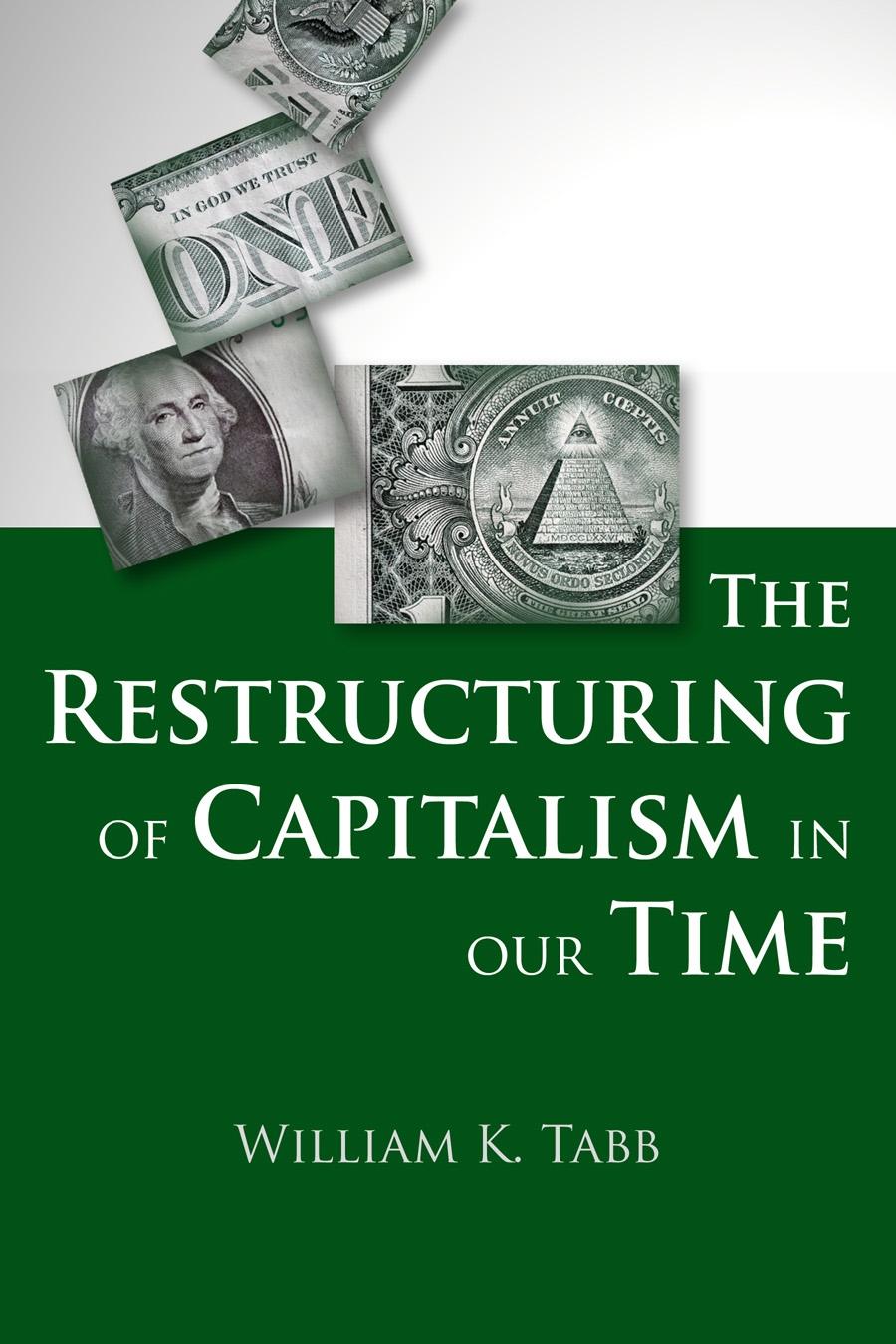
Actions taken by the United States and other countries during the Great Recession focused on restoring the viability of major financial institutions while guaranteeing debt and stimulating growth. Once the markets stabilized, the United States enacted regulatory reforms that ultimately left basic economic structures unchanged. At the same time, the political class pursued austerity measures to curb the growing national debt. Drawing on the economic theories of Keynes and Minsky and applying them to the modern evolution of American banking and finance, William K. Tabb offers a chilling prediction about future crises and the structural factors inhibiting true reform.
Tabb follows the rise of banking practices and financial motives in America over the past thirty years and the simultaneous growth of a shadow industry of hedge funds, private equity firms, and financial innovations such as derivatives. He marks the shift from an American economy based primarily on the production of goods and nonfinancial services to one characterized by financialization, then shows how these developments, perspectives, and approaches not only contributed to the recent financial crisis but also prevented the enactment of effective regulatory reform. He incisively analyzes the damage that increasing unsustainable debt and excessive risk-taking has done to our financial system and expands his critique to a discussion of world systems and globalization. Revealing the willful blind spots of mainstream finance theory, Tabb moves beyond an economic model reliant on debt expansion and dangerous levels of leverage, proposing instead a social structure of accumulation that places economic justice over profit and, more practically, institutes an inclusive, sustainable model for growth.
Before Memmo my notes were scattered across PDFs. Now a workspace pulls everything into one place — I see exactly what's still left to study.
Memmo's summaries are gold before exams. I don't have to re-read 800 pages two weeks before — just the important parts.
The AI chat has saved me the night before an exam more than once. I just keep asking until I get it — no waiting on a study group to reply.
The quizzes hit exactly what I need to know. Memmo tracks what I get stuck on — so I only practice what's worth it.
Flashcards with spaced repetition are magic. Memmo knows when I'm about to forget something and brings it back.
The AI podcasts are my favorite. I listen on my way to school and get a recap without sitting at a computer.

Handbok i kvalitativa metoder
281 kr

Hållbar utveckling: en introduktion för ingenjörer och andra problemlösare
334 kr

Brymans Samhällsvetenskapliga metoder
390 kr

Projektledning
491 kr

Den orättvisa hälsan: om socioekonomiska skillnader i hälsa och livslängd
326 kr

Vetenskapsteori för nybörjare
196 kr

Organizational Leadership
429 kr

På väg mot läraryrket
172 kr

Det sociala livet i skolan: Socialpsykologiska perspektiv
253 kr

Betygsättningens didaktik
151 kr

Personality
402 kr

Studying Leadership
404 kr

Managing Innovation
477 kr

Introduktion till samhällsvetenskaplig metod
347 kr

The Psychology of Sex and Gender
698 kr

Evidens och kunskap för socialt arbete
207 kr

Introduction to Leadership
605 kr