
Before Memmo my notes were scattered across PDFs. Now a workspace pulls everything into one place — I see exactly what's still left to study.
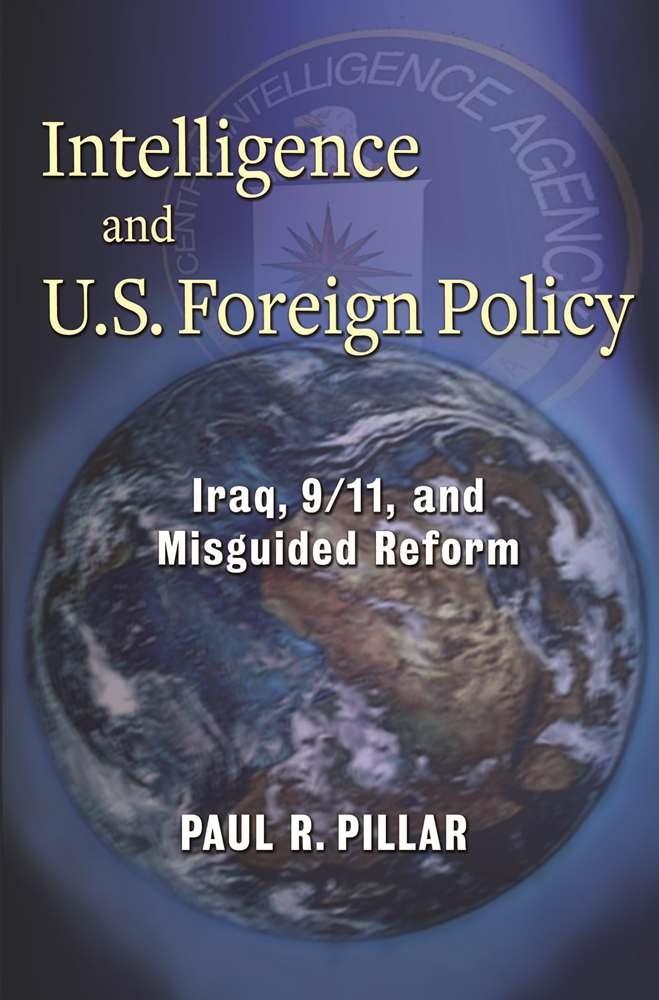
A career of nearly three decades with the CIA and the National Intelligence Council showed Paul R. Pillar that intelligence reforms, especially measures enacted since 9/11, can be deeply misguided. They often miss the sources that underwrite failed policy and misperceive our ability to read outside influences. They also misconceive the intelligence-policy relationship and promote changes that weaken intelligence-gathering operations.
In this book, Pillar confronts the intelligence myths Americans have come to rely on to explain national tragedies, including the belief that intelligence drives major national security decisions and can be fixed to avoid future failures. Pillar believes these assumptions waste critical resources and create harmful policies, diverting attention away from smarter reform, and they keep Americans from recognizing the limits of obtainable knowledge.
Pillar revisits U.S. foreign policy during the Cold War and highlights the small role intelligence played in those decisions, and he demonstrates the negligible effect that America's most notorious intelligence failures had on U.S. policy and interests. He then reviews in detail the events of 9/11 and the 2003 invasion of Iraq, condemning the 9/11 commission and the George W. Bush administration for their portrayals of the role of intelligence. Pillar offers an original approach to better informing U.S. policy, which involves insulating intelligence management from politicization and reducing the politically appointed layer in the executive branch to combat slanted perceptions of foreign threats. Pillar concludes with principles for adapting foreign policy to inevitable uncertainties.
Before Memmo my notes were scattered across PDFs. Now a workspace pulls everything into one place — I see exactly what's still left to study.
Memmo's summaries are gold before exams. I don't have to re-read 800 pages two weeks before — just the important parts.
The AI chat has saved me the night before an exam more than once. I just keep asking until I get it — no waiting on a study group to reply.
The quizzes hit exactly what I need to know. Memmo tracks what I get stuck on — so I only practice what's worth it.
Flashcards with spaced repetition are magic. Memmo knows when I'm about to forget something and brings it back.
The AI podcasts are my favorite. I listen on my way to school and get a recap without sitting at a computer.

Handbok i kvalitativa metoder
281 kr

Hållbar utveckling: en introduktion för ingenjörer och andra problemlösare
334 kr

Brymans Samhällsvetenskapliga metoder
390 kr

Projektledning
491 kr

Den orättvisa hälsan: om socioekonomiska skillnader i hälsa och livslängd
326 kr

Organizational Leadership
429 kr

Vetenskapsteori för nybörjare
196 kr

På väg mot läraryrket
172 kr

Det sociala livet i skolan: Socialpsykologiska perspektiv
253 kr

Betygsättningens didaktik
151 kr

Personality
402 kr

Studying Leadership
404 kr

Managing Innovation
477 kr

Introduktion till samhällsvetenskaplig metod
347 kr

The Psychology of Sex and Gender
698 kr

Evidens och kunskap för socialt arbete
207 kr

Introduction to Leadership
605 kr