
Before Memmo my notes were scattered across PDFs. Now a workspace pulls everything into one place — I see exactly what's still left to study.
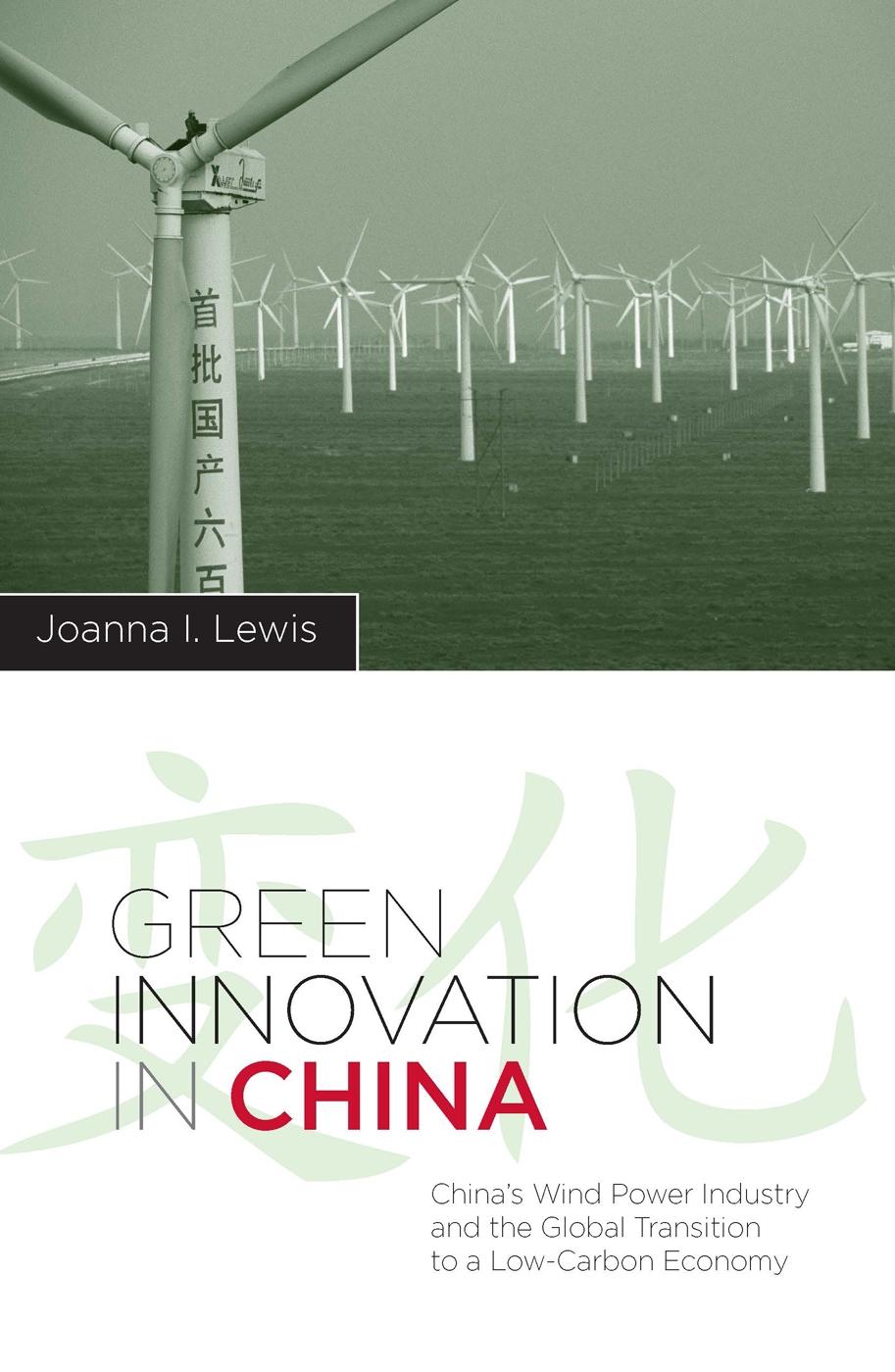
As the greatest coal-producing and consuming nation in the world, China would seem an unlikely haven for wind power. Yet the country now boasts a world-class industry that promises to make low-carbon technology more affordable and available to all. Conducting an empirical study of China's remarkable transition and the possibility of replicating their model elsewhere, Joanna I. Lewis adds greater depth to a theoretical understanding of China's technological innovation systems and its current and future role in a globalized economy.
Lewis focuses on China's specific methods of international technology transfer, its forms of international cooperation and competition, and its implementation of effective policies promoting the development of a home-grown industry. Just a decade ago, China maintained only a handful of operating wind turbines—all imported from Europe and the United States. Today, the country is the largest wind power market in the world, with turbines made almost exclusively in its own factories.
Following this shift reveals how China's political leaders have responded to domestic energy challenges and how they may confront encroaching climate change. The nation's escalation of its wind power use also demonstrates China's ability to leapfrog to cleaner energy technologies—an option equally viable for other developing countries hoping to bypass gradual industrialization and the "technological lock-in" of hydrocarbon-intensive energy infrastructure. Though setbacks are possible, China could one day come to dominate global wind turbine sales, becoming a hub of technological innovation and a major instigator of low-carbon economic change.
Before Memmo my notes were scattered across PDFs. Now a workspace pulls everything into one place — I see exactly what's still left to study.
Memmo's summaries are gold before exams. I don't have to re-read 800 pages two weeks before — just the important parts.
The AI chat has saved me the night before an exam more than once. I just keep asking until I get it — no waiting on a study group to reply.
The quizzes hit exactly what I need to know. Memmo tracks what I get stuck on — so I only practice what's worth it.
Flashcards with spaced repetition are magic. Memmo knows when I'm about to forget something and brings it back.
The AI podcasts are my favorite. I listen on my way to school and get a recap without sitting at a computer.

Handbok i kvalitativa metoder
281 kr

Hållbar utveckling: en introduktion för ingenjörer och andra problemlösare
334 kr

Brymans Samhällsvetenskapliga metoder
390 kr

Projektledning
491 kr

Den orättvisa hälsan: om socioekonomiska skillnader i hälsa och livslängd
326 kr

Vetenskapsteori för nybörjare
196 kr

Organizational Leadership
429 kr

På väg mot läraryrket
172 kr

Det sociala livet i skolan: Socialpsykologiska perspektiv
253 kr

Betygsättningens didaktik
151 kr

Personality
402 kr

Studying Leadership
404 kr

Managing Innovation
477 kr

Introduktion till samhällsvetenskaplig metod
347 kr

The Psychology of Sex and Gender
698 kr

Evidens och kunskap för socialt arbete
207 kr

Introduction to Leadership
605 kr